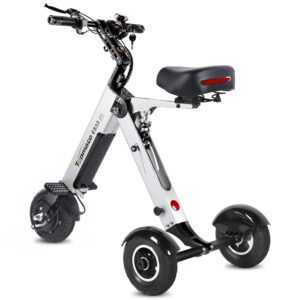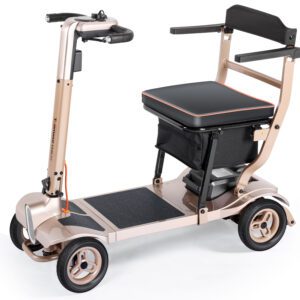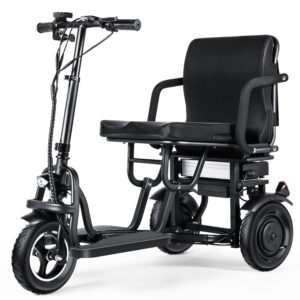
Summer is the perfect season to enjoy parks, beaches, shopping centers, and outdoor events. However, high temperatures can affect both your comfort and your mobility scooter’s performance. Using Your Mobility Scooter Safely in the Summertime Heat helps protect your battery, improve riding safety, and keep your scooter performing well. Excessive heat may reduce battery efficiency, increase tire pressure, and place extra stress on electrical components if proper precautions aren’t taken.
Whether you’re running errands or enjoying a day outdoors, following a few simple safety practices can help you ride comfortably while protecting your investment. This guide explains how to stay safe, keep your scooter running reliably, and avoid common summertime problems.
Quick Answer
Using your mobility scooter safely in the summertime heat means avoiding extreme temperatures, keeping the battery cool, staying hydrated, parking in the shade, inspecting tires regularly, and limiting long rides during the hottest part of the day. These simple habits improve rider safety while helping extend your scooter’s lifespan.
Why Summer Heat Can Affect Mobility Scooters
Warm weather doesn’t just affect people—it also influences how mobility scooters perform. Understanding these effects helps you prepare for safer rides throughout the summer.
Battery Temperature
Lithium batteries perform best within a moderate temperature range. When exposed to excessive heat, the battery’s internal temperature rises, causing it to work less efficiently.
High temperatures can lead to:
- Reduced battery efficiency
- Faster energy consumption
- Shorter driving range
- Slower charging after heavy use
- Long-term battery wear if repeatedly overheated
Although modern lithium batteries include safety protections, avoiding prolonged exposure to heat helps maximize battery life.
Motor Overheating
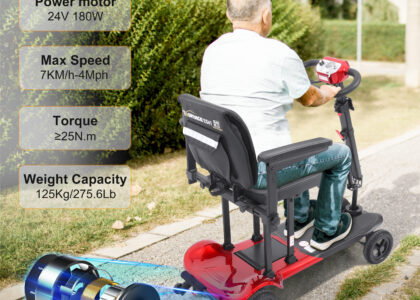
The electric motor naturally generates heat while driving. During hot weather, especially on hills or rough terrain, the motor may become warmer than usual.
Factors that increase motor temperature include:
- Long continuous rides
- Steep inclines
- Heavy rider or cargo weight
- Frequent stop-and-go driving
If the motor becomes excessively hot, performance may temporarily decrease until it cools.
Tire Pressure
Air expands as temperatures rise.
During summer:
- Tire pressure can increase
- Overinflated tires reduce traction
- Ride comfort may decrease
- Tire wear can become uneven
Checking tire pressure regularly helps maintain safe handling and a smoother ride.
Electronic Components
Your scooter contains electronic systems that control acceleration, braking, battery management, and display functions.
Extreme heat may affect:
- LCD displays
- Wiring connections
- Charging systems
- Battery management electronics
Keeping the scooter out of direct sunlight whenever possible helps protect these components.
Signs Your Scooter Is Too Hot
Recognizing early warning signs can prevent breakdowns and protect both the rider and the scooter.
| Warning Sign | Possible Cause | What You Should Do |
|---|---|---|
| Battery feels unusually hot | Heat buildup after long ride | Park in the shade and allow it to cool |
| Reduced driving range | Battery overheating | Let the battery cool before continuing |
| Lower top speed | Motor temperature protection | Stop riding and allow the motor to rest |
| Battery charging slowly | High battery temperature | Wait until the battery cools before charging |
| Warning lights or error messages | System overheating | Follow the owner’s manual and avoid further riding until normal |
10 Summer Riding Safety Tips
Stay Hydrated
High temperatures increase the risk of dehydration.
Carry water whenever you ride, especially during longer trips. Even mild dehydration can reduce concentration and increase fatigue.
Avoid Midday Riding
The hottest part of the day is usually between 11 a.m. and 4 p.m.
Whenever possible, schedule rides:
- Early morning
- Late afternoon
- Early evening
This keeps both you and your scooter cooler.
Park in the Shade
Whenever you stop:
- Use covered parking
- Park beneath trees where permitted
- Choose shaded building entrances
Reducing direct sunlight helps keep the battery and seat cooler.
Check Battery Temperature
After long rides, lightly touch the battery housing.
If it feels unusually hot, allow the scooter to cool naturally before charging or continuing your trip.
Never cool a hot battery with water or ice.
Reduce Heavy Loads
Extra weight increases strain on:
- The motor
- The battery
- Tires
During hot weather, carry only what you need to reduce heat buildup.
Wear UV Protection
Protect yourself by wearing:
- Lightweight clothing
- Sunglasses
- Sunscreen
- A wide-brimmed hat if appropriate
Staying comfortable helps you remain alert while riding.
Inspect Tires Before Every Ride
Check for:
- Proper inflation
- Cracks
- Uneven wear
- Embedded debris
Well-maintained tires improve stability on hot pavement.
Carry Water and Essential Supplies
A small storage basket or travel bag can hold:
- Drinking water
- Medications
- Phone charger
- Cooling towel
- Emergency contact information
Being prepared makes longer rides safer.
Charge Indoors
Heat generated during charging combines with outdoor temperatures.
For best results:
- Charge indoors
- Use a dry, well-ventilated area
- Keep the charger away from direct sunlight
Avoid charging immediately after a long ride. Let the battery cool first.
Plan Shorter Routes
On extremely hot days, break longer trips into shorter segments.
Resting periodically allows:
- The battery to cool
- The motor to recover
- You to rehydrate
This simple habit improves comfort and reduces unnecessary strain on the scooter.
How Heat Impacts Lithium Batteries
Lithium-ion batteries work by moving lithium ions between internal electrodes to store and release energy. This process is most efficient within a moderate temperature range.
When the battery becomes too hot:
- Chemical reactions speed up
- Internal resistance changes
- Energy is used less efficiently
- Battery capacity may temporarily decrease
- Long-term exposure can shorten overall battery lifespan
Most modern mobility scooters include a Battery Management System (BMS) that monitors temperature and helps prevent overheating. However, these safety systems cannot completely eliminate the effects of prolonged heat exposure.
To help preserve battery health:
- Avoid storing the scooter in direct sunlight.
- Let the battery cool before charging.
- Store the scooter indoors when possible.
- Avoid leaving the battery fully discharged in hot conditions.
Consistent battery care improves reliability and extends service life.
Daily Summer Maintenance Checklist
Before every ride, take a few minutes to complete this checklist:
Check battery charge level
Inspect tires for proper inflation and wear
Confirm brakes are working correctly
Test lights and display
Bring drinking water
Wear sun protection
Remove unnecessary cargo
Check the weather forecast
Park in shaded areas whenever possible
Allow the battery to cool before charging
Completing these simple steps can help prevent common summertime issues.
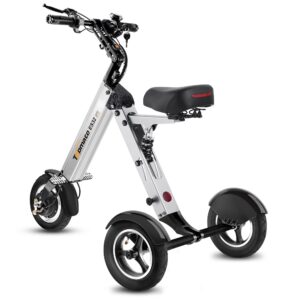
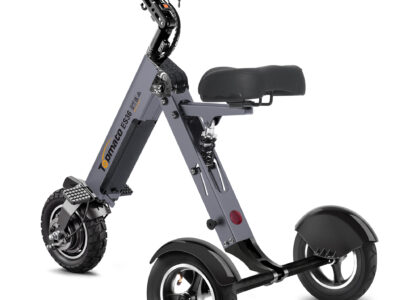
Best TopMate Features for Summer Riding
Some design features become especially useful during hot weather.
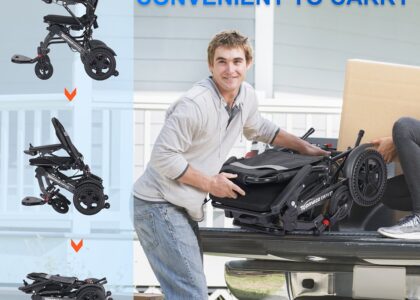
Foldability
A foldable scooter can be moved indoors more easily, reducing exposure to prolonged sunlight and high outdoor temperatures.
Lightweight Design
Lightweight scooters require less effort when loading into vehicles or storing inside air-conditioned spaces, helping protect both the scooter and its battery.
Portability
Portable scooters are easier to transport into shopping centers, hotels, restaurants, and other shaded environments, reducing unnecessary heat exposure between rides.
Battery Care
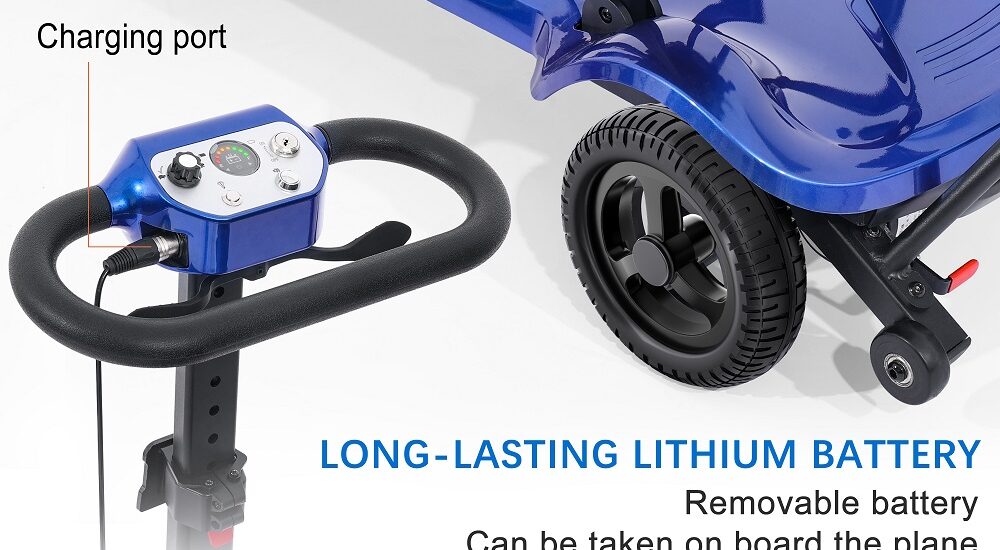
TopMate mobility scooters use modern lithium battery technology designed for dependable everyday use. Following recommended charging and storage practices—such as avoiding direct sunlight and allowing the battery to cool before charging—helps maintain optimal performance during the summer months.
Common Summer Riding Mistakes
Avoid these common errors to improve both safety and scooter longevity.
Charging in Direct Sunlight
Charging already generates heat. outdoors in direct sunlight can raise battery temperatures further, reducing efficiency and increasing wear.
Leaving the Scooter in a Hot Car
Vehicle interiors can reach extremely high temperatures within a short time.
Whenever possible:
- Remove the scooter from the vehicle promptly.
- Store it in a cool, shaded location.
- Never leave the battery exposed to excessive heat for extended periods.
Ignoring Overheating Warnings
If your scooter displays warning lights, reduced power, or unusual performance, stop riding and allow it to cool.
Ignoring these signs may lead to unnecessary stress on the motor or battery.
Riding on Soft Sand
Soft sand increases rolling resistance, forcing the motor and battery to work much harder.
Whenever possible, stay on:
- Boardwalks
- Paved paths
- Firm walking trails
This improves efficiency while reducing heat buildup.
Final Thoughts
Using your mobility scooter safely in the summertime heat requires a combination of smart riding habits and regular maintenance. By avoiding peak temperatures, protecting your lithium battery, inspecting your scooter before each trip, and recognizing early signs of overheating, you can enjoy safe and reliable mobility throughout the season.
Modern, portable designs like those offered by TopMate make it easier to move your scooter into cooler environments when needed. Combined with proper battery care and thoughtful route planning, these practices help you stay comfortable, protect your scooter, and confidently enjoy outdoor activities all summer long.
FAQ
Can hot weather damage a mobility scooter battery?
Yes. Prolonged exposure to excessive heat can reduce battery efficiency and shorten its overall lifespan. Parking in the shade and charging indoors help protect the battery.
Is it safe to charge a mobility scooter after riding in hot weather?
Yes, but it’s best to let the battery cool for 20–30 minutes before charging. Charging a hot battery may reduce charging efficiency and increase battery stress.
What is the best time to ride a mobility scooter during summer?
Early morning and late afternoon are generally the safest times because temperatures are lower, reducing heat exposure for both the rider and the scooter.
How can I keep my mobility scooter cool during summer?
Park in shaded areas, avoid long rides during peak heat, keep the scooter clean, charge indoors, and allow the battery to cool naturally before recharging.