When choosing an electric scooter, buyers often focus on motor power, battery range, top speed, and folding design. However, suspension is another important feature that can significantly affect the riding experience.
A good suspension system helps absorb impacts from bumps, cracks, uneven pavement, and other surface imperfections. This can make rides more comfortable while helping the scooter maintain better contact with the riding surface.
But how does electric scooter suspension work, and do you really need it? Let’s take a closer look.
What Is Suspension on an Electric Scooter?
An electric scooter suspension system is designed to reduce the impact transferred from the road to the scooter and rider.
When the scooter travels over a bump or uneven surface, the suspension moves to absorb some of the impact. Instead of transferring the full force directly through the wheels, frame, and handlebars, the suspension helps smooth the movement.
Depending on the scooter, suspension may be located at the:
- Front wheel
- Rear wheel
- Both front and rear wheels
Different scooters use different suspension designs, including spring, hydraulic, rubber, or other systems.
Why Is Suspension Important?
1. Improves Riding Comfort
The biggest benefit of suspension is improved comfort.
Roads are rarely perfectly smooth. Small cracks, pavement joints, bumps, and uneven surfaces can create noticeable vibrations, especially when riding for longer periods.
Suspension helps absorb some of these impacts, resulting in a smoother and more comfortable ride.
For commuters and recreational riders, this can make a noticeable difference during everyday use.
2. Helps Reduce Vibrations
Without adequate suspension, vibrations from the road can travel through the handlebars, deck, seat, and frame.
Over time, constant vibration can make a ride feel tiring, particularly when traveling over imperfect surfaces.
A properly designed suspension system helps reduce these vibrations and creates a more controlled riding experience.
3. Provides Better Control on Uneven Surfaces
Suspension isn’t only about comfort. It can also contribute to handling.
When a wheel encounters a bump, suspension allows the wheel to move more effectively with the surface. This can help the scooter maintain better contact with the ground.
Better wheel contact can contribute to more predictable steering and handling, particularly on uneven but suitable riding surfaces.
4. Makes Longer Rides More Comfortable
The benefits of suspension become more noticeable as riding time increases.
A scooter without suspension may feel perfectly comfortable on smooth pavement. However, repeated bumps and vibrations can become tiring during longer journeys.
Suspension can help reduce the physical impact of those imperfections, making longer rides more comfortable.
5. Supports Outdoor Riding
If you primarily ride on smooth indoor floors or newly paved surfaces, suspension may not be a major priority.
Outdoor riding is different.
Sidewalks, bike paths, neighborhood roads, and other paved routes can contain cracks, small potholes, uneven sections, and surface transitions.
For riders who frequently travel outdoors, suspension can be a valuable feature.
Suspension vs. Pneumatic Tires
Suspension is not the only feature that affects ride comfort.
Pneumatic tires also help absorb small impacts because the air inside the tire provides natural cushioning.
This means a scooter with pneumatic tires and suspension can offer a particularly comfortable ride on suitable surfaces.
However, tires and suspension perform different roles.
- Pneumatic tires: Provide cushioning and help absorb smaller surface imperfections.
- Suspension: Helps absorb larger impacts and control wheel movement.
- Both together: Can provide a smoother and more controlled ride.
This is why buyers should consider the complete wheel and suspension setup rather than looking at suspension alone.
Do You Need Suspension on an Electric Scooter?
Not every rider needs suspension.
If you mainly ride on smooth, well-maintained pavement and take short trips, a scooter without suspension may meet your needs.
Suspension becomes more valuable when you:
- Ride frequently outdoors
- Travel longer distances
- Encounter uneven pavement
- Ride on cracked roads or paths
- Want a smoother ride
- Prefer additional comfort
- Regularly travel over small bumps and surface transitions
Your riding environment should therefore play a major role in deciding whether suspension is important to you.
Front vs. Rear Suspension
Electric scooters can have front suspension, rear suspension, or both.
Front Suspension
Front suspension helps absorb impacts reaching the front wheel.
It can improve comfort when the scooter travels over bumps and uneven surfaces and can make steering feel smoother.
Rear Suspension
Rear suspension helps reduce impacts at the back of the scooter.
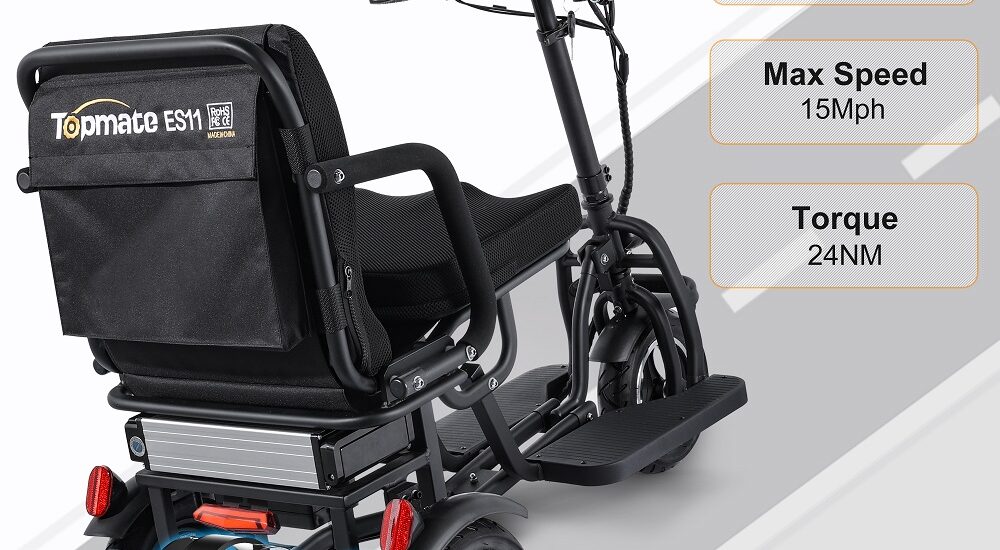
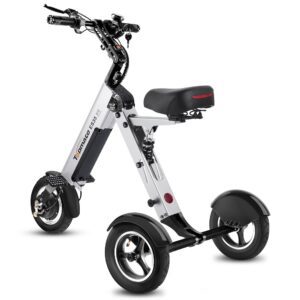
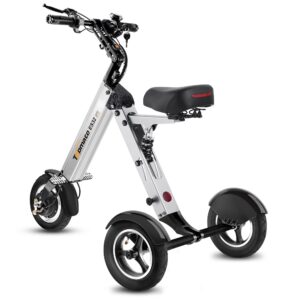
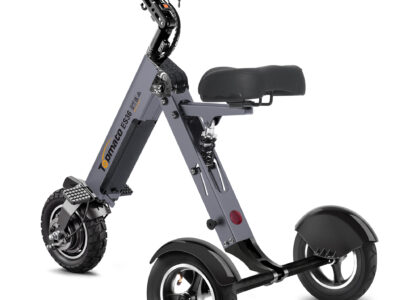
This can be particularly useful for seated scooters because it can help reduce the impact transferred to the rider through the seat.
Dual Suspension
A scooter equipped with both front and rear suspension can provide more comprehensive impact absorption.
However, suspension quality matters just as much as suspension quantity. A well-designed single suspension system may provide a better experience than a poorly tuned dual-suspension system.
Does Suspension Make an Electric Scooter Safer?
Suspension can contribute to a more controlled ride, but it should not be considered a replacement for safe riding practices.
A scooter’s overall handling depends on many factors, including:
- Tire condition
- Tire pressure
- Braking system
- Wheel size
- Frame design
- Rider weight
- Riding speed
- Road surface
Suspension can help the wheels respond to uneven surfaces, but riders should still slow down when approaching bumps, potholes, or unfamiliar terrain.
How Suspension Affects Different Types of Riding
City Commuting
For city commuters, suspension can help smooth out cracks, pavement joints, and uneven sections of roads and paths.
If your commute includes different types of pavement, suspension can be a useful feature.
Recreational Riding
Recreational riders may appreciate suspension because it makes rides more comfortable and enjoyable, particularly over longer distances.
Rough Outdoor Surfaces
Suspension can help with suitable uneven outdoor surfaces, but it does not automatically turn a standard electric scooter into an off-road vehicle.
Always stay within the scooter’s intended operating conditions.
Seated Electric Scooters
Suspension can be especially valuable on seated electric scooters because the rider’s body has fewer opportunities to absorb impacts through movement.
A combination of suspension, pneumatic tires, and a comfortable seat can provide a smoother overall experience.
What Should You Look for in Electric Scooter Suspension?
When comparing scooters, don’t simply look for the word “suspension.”
Consider the complete setup.
Suspension Type
Find out whether the scooter uses spring, hydraulic, rubber, or another suspension system.
Suspension Location
Check whether suspension is installed at the front, rear, or both ends.
Wheel and Tire Size
Larger wheels and pneumatic tires can complement the suspension system by helping the scooter roll over surface imperfections more smoothly.
Rider Weight Capacity
Suspension performance can depend on the rider’s weight. Always check the manufacturer’s recommended weight capacity.
Intended Terrain
Think about where you will actually ride. A suspension system designed for urban roads may not be suitable for aggressive off-road riding.
Electric Scooter Suspension: Is It Worth It?
For many outdoor riders, suspension is worth considering. It can improve comfort, reduce vibrations, and help the scooter handle everyday surface imperfections more smoothly. If you’re wondering whether this feature is worth the additional cost, learn more about whether suspension is worth paying extra for before making your decision.
However, suspension should not be the only factor you consider. Motor performance, battery capacity, tires, brakes, wheel size, weight, range, and overall build quality all contribute to the riding experience.
If you frequently ride on uneven outdoor surfaces or take longer trips, suspension can be a particularly valuable feature.
Final Takeaway
Suspension is an important electric scooter feature because it can improve comfort, reduce vibrations, and help the scooter handle uneven surfaces more smoothly.
If you mainly ride on smooth pavement for short distances, you may not need an advanced suspension system. But if you regularly commute outdoors, ride longer distances, or encounter uneven roads, a scooter with well-designed suspension can provide a noticeably better riding experience.
When choosing your next electric scooter, look beyond motor power and battery range. Consider the suspension, tires, wheel size, brakes, riding position, and the surfaces you actually plan to ride on. Together, these features determine how comfortable and controlled your electric scooter feels in everyday use.
FAQ
What does suspension do on an electric scooter?
Suspension helps absorb impacts and vibrations caused by bumps, cracks, and uneven surfaces. It can make the ride more comfortable and help the wheels maintain better contact with the riding surface.
Is suspension necessary on an electric scooter?
Suspension is not necessary for every rider. It is most useful for people who regularly ride outdoors, travel longer distances, or encounter uneven pavement.
Is front or rear suspension better?
Both have advantages. Front suspension helps absorb impacts at the front wheel, while rear suspension helps reduce impacts at the rear. A scooter with both can provide more comprehensive impact absorption.
Do bigger tires improve ride comfort?
Yes. Larger tires can roll over small surface imperfections more easily, while pneumatic tires can provide additional cushioning. Tire design and suspension can work together to improve overall comfort.

-scaled-2-420x300.jpg)