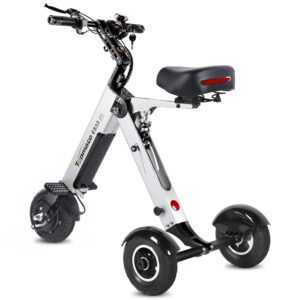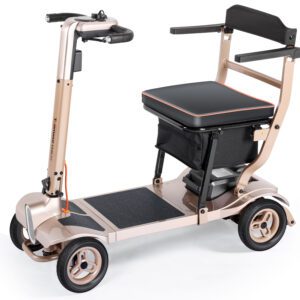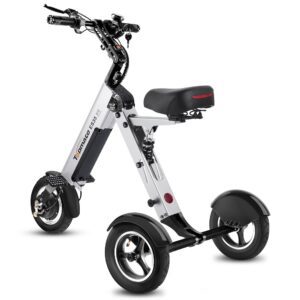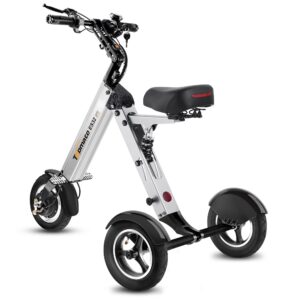
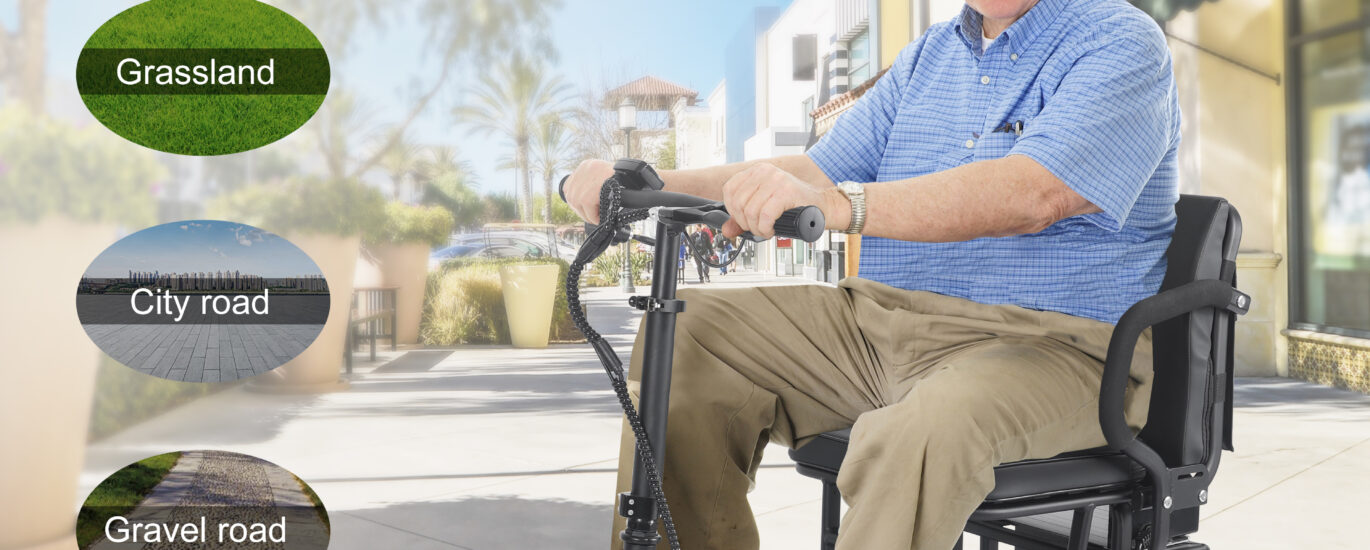
Quick Answer
The best mobility scooter for seniors with knee problems should provide stable support, soft seating, smooth suspension, and easy step-on access while remaining lightweight enough for travel and daily transportation. Seniors dealing with arthritis, knee replacement recovery, or joint stiffness often benefit most from foldable mobility scooters with shock absorption, adjustable seating, and reliable battery range for shopping, outdoor riding, and long daily use.
Introduction
Finding the best mobility scooter for seniors with knee problems is no longer only about mobility — it is about preserving independence, reducing pain, and making daily life manageable again.
For many seniors in the USA and Australia, knee pain turns ordinary activities into exhausting tasks. Walking through supermarkets, climbing slight hills in parking lots, standing during airport travel, or even moving around large retirement communities can place significant strain on aging joints.
Why Knee Problems Make Everyday Mobility Difficult for Seniors
Knee pain affects mobility differently depending on the condition and lifestyle of the senior.
For example:
- A senior with osteoarthritis may struggle after walking 10–15 minutes in a shopping mall.
- Someone recovering from knee replacement surgery may experience instability when standing from seated positions.
- Seniors with reduced leg strength often avoid outdoor activities entirely because uneven sidewalks and slopes feel unsafe.
Common Real-Life Mobility Challenges Seniors Face
Long Shopping Trips
Large supermarkets and warehouse stores often require walking more than 1–2 miles during a single trip. For seniors with arthritis, this can trigger swelling and fatigue quickly.
A compact travel mobility scooter with:
- 10–15 mile battery range
- swivel seat
- padded armrests
- tight turning radius
can significantly reduce physical strain during shopping trips.
Outdoor Riding and Uneven Terrain
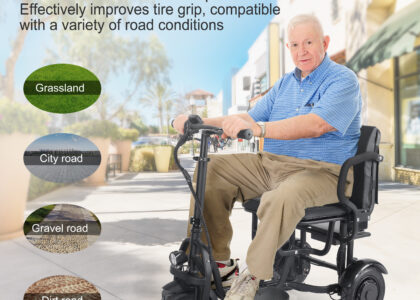
Many seniors enjoy parks, walking trails, outdoor markets, and community events. However, cracked sidewalks, curb ramps, and uneven pavement can worsen knee pain.
A mobility scooter with suspension and:
- 8–10 inch tires
- 4-wheel stability
- hill climbing support up to 8–12°
- shock absorption
provides smoother outdoor mobility.
Airport and Travel Fatigue
Travel is one of the biggest reasons seniors purchase foldable scooters today.
Airports often involve:
- long terminals
- security lines
- standing for extended periods
- walking between gates
A lightweight foldable mobility scooter weighing under 70 lbs with airline-friendly lithium batteries makes travel significantly easier for both seniors and caregivers.
Apartment and Retirement Community Living
Indoor mobility matters just as much as outdoor performance.
Seniors living in:
- apartments
- assisted living communities
- retirement villages
often need:
- compact width for hallways
- tight turning radius
- easy storage
- quick folding capability
This is where compact electric scooters for elderly users become especially practical.
What Seniors Actually Need in a Mobility Scooter
Many generic buying guides focus too heavily on technical features without explaining how those features solve everyday problems.
Here is what seniors with knee pain usually prioritize in real life:
| Real User Need | Why It Matters |
|---|---|
| Easy step-on access | Reduces knee bending and twisting |
| Soft padded seat | Prevents joint pressure during long rides |
| Stable 4-wheel base | Improves confidence on uneven sidewalks |
| Lightweight folding | Easier for caregivers to transport |
| Long battery range | Prevents anxiety during outings |
| Smooth suspension | Reduces vibration pain in knees |
| Adjustable handlebars | Supports comfortable posture |
| Compact storage | Fits apartments and car trunks |
Best Types of Mobility Scooters for Seniors With Knee Problems
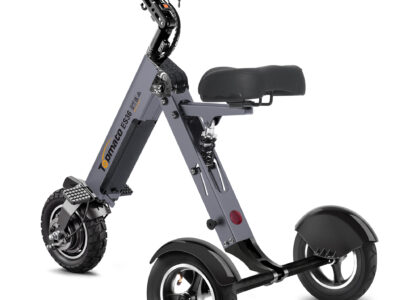
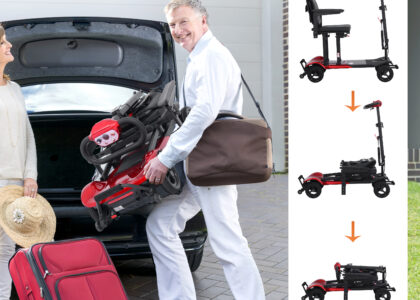
Foldable Mobility Scooters for Travel and Daily Use
Foldable scooters are now one of the fastest-growing categories among seniors because they solve multiple real-world problems at once.
A foldable mobility scooter is ideal for:
- road trips
- cruise travel
- apartment living
- caregiver transportation
- trunk storage
Modern foldable scooters typically include:
- lithium batteries
- one-touch folding systems
- 10–20 mile battery range
- lightweight aluminum frames
For example, many portable scooters now weigh between 50–70 lbs while supporting riders up to 250–300 lbs.
This balance between portability and stability is especially important for seniors with knee weakness.
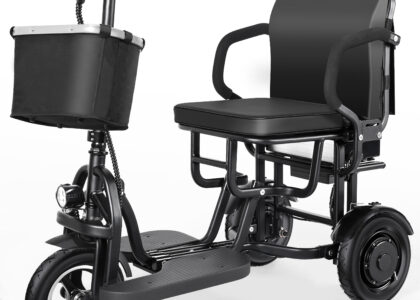
4-Wheel Mobility Scooters for Stability
Seniors with balance issues often feel safer using 4-wheel scooters because they provide:
- wider wheel spacing
- improved cornering stability
- better outdoor control
These scooters are particularly helpful for:
- knee replacement recovery
- arthritis-related instability
- uneven outdoor terrain
Most 4-wheel models support:
- 300–350 lbs weight capacity
- 12–18 mile range
- moderate hill climbing
Compact Travel Scooters for Shopping and Errands
Portable scooters designed for errands usually prioritize:
- maneuverability
- smaller turning radius
- lightweight transportation
These are excellent for:
- grocery stores
- pharmacies
- indoor malls
- medical offices
A travel mobility scooter with a turning radius under 45 inches can move much more comfortably through tighter spaces.
Comfort Scooters for Long Daily Use
Some seniors use mobility scooters for several hours every day.
In these cases, comfort-focused designs become essential.
Important features include:
- suspension systems
- larger padded seats
- ergonomic armrests
- wider foot platforms
- thicker tires
These scooters often provide smoother rides on:
- sidewalks
- parks
- outdoor paths
- retirement communities
Key Features That Actually Reduce Knee Strain
Suspension Systems
One of the most overlooked features is suspension.
Without suspension, every sidewalk crack or bump transfers vibration directly into the knees and lower back.
A mobility scooter with front and rear suspension creates noticeably smoother riding comfort during:
- outdoor travel
- shopping centers
- neighborhood rides
- long-distance use
Swivel Seats
Swivel seats reduce twisting movements when getting on and off the scooter.
This is especially important for:
- arthritis
- knee replacement recovery
- limited flexibility
Many seniors struggle more with entering and exiting scooters than with the actual riding itself.
Battery Range for Real Daily Use
Battery range directly affects independence.
Typical real-world needs include:
- grocery shopping: 3–5 miles
- retirement communities: 5–8 miles
- sightseeing or parks: 8–12 miles
- airport travel days: 10+ miles
For most seniors, a practical battery range is:
- 10–20 miles per charge
Lithium batteries are increasingly preferred because they:
- charge faster
- weigh less
- last longer
- improve portability
Weight Capacity and Stability
Weight distribution affects scooter safety.
A stable lightweight mobility scooter should typically support:
- 250–350 lbs capacity
Higher weight capacity often improves frame stability and riding confidence.
Ground Clearance for Outdoor Riding
Outdoor users should prioritize:
- 3–5 inches of ground clearance
This helps scooters handle:
- curb transitions
- driveway bumps
- uneven sidewalks
- outdoor pathways
Comparison Table: Which Scooter Type Fits Different Senior Needs?
| Scooter Type | Battery Range | Weight Capacity | Climbing Ability | Best For | Storage | Comfort Level |
|---|---|---|---|---|---|---|
| Foldable Mobility Scooter | 10–20 miles | 250–300 lbs | 6–10° | Travel, apartments, car transport | Excellent | High |
| 4-Wheel Scooter | 12–18 miles | 300–350 lbs | 8–12° | Outdoor riding and stability | Moderate | Very High |
| Portable Travel Scooter | 8–15 miles | 250 lbs | 6–8° | Shopping and errands | Excellent | Moderate |
| Comfort Mobility Scooter | 15–25 miles | 300–400 lbs | 10–12° | Long-distance daily use | Moderate | Excellent |
| Compact Indoor Scooter | 6–12 miles | 250 lbs | 5–6° | Apartments and indoor maneuvering | Excellent | Good |
Recommended Mobility Solutions for Different Senior Lifestyles
Best for Frequent Travelers
Seniors who travel regularly should prioritize:
- foldable frame
- airline-friendly lithium battery
- compact storage
- lightweight portability
Many modern travel scooters now fit inside:
- SUVs
- sedans
- cruise cabins
- RV storage compartments
Best for Grocery Shopping
Shopping-focused scooters should include:
- tight turning radius
- front basket
- stable braking
- comfortable seat padding
This improves usability during longer shopping trips.
Best for Outdoor Communities
Retirement communities often include:
- slopes
- outdoor paths
- long sidewalks
In these environments, seniors benefit most from:
- suspension systems
- 4-wheel stability
- larger wheels
- longer battery range
Best for Apartment Living
Compact scooters are ideal for:
- elevators
- hallways
- tight storage areas
A foldable lightweight mobility scooter helps simplify indoor movement without overwhelming small living spaces.
Common Mistakes Seniors Make When Buying Mobility Scooters
Choosing Based Only on Price
Cheaper scooters may lack:
- suspension
- stable wheelbases
- comfortable seating
This can worsen knee pain over time.
Buying Oversized Heavy Scooters
Large scooters may provide comfort, but many become difficult to:
- transport
- store
- lift into vehicles
Portability matters more than many buyers initially expect.
Ignoring Real Daily Usage
Some seniors buy scooters designed for occasional use even though they need all-day comfort.
Daily users should prioritize:
- ergonomic seating
- battery life
- ride smoothness
- stability
Underestimating Outdoor Terrain
Outdoor riding requires more than just battery range.
Uneven pavement and small hills can quickly expose limitations in:
- wheel design
- suspension
- climbing ability
Expert Tips Before Buying
- Test entry and exit comfort first
- Prioritize stability over top speed
- Choose lithium battery systems for lighter transport
- Consider future mobility changes
- Measure vehicle trunk space before buying
- Look for scooters with easy folding systems
- Choose models with adjustable seating positions
- Use additional cushions if knee stiffness is severe
Conclusion
Choosing the best mobility scooter for seniors with knee problems is ultimately about solving real mobility challenges — not simply comparing specifications.
Seniors dealing with arthritis, stiffness, balance issues, or recovery from knee surgery need scooters that improve comfort during real daily activities like shopping, traveling, outdoor riding, and apartment living.
FAQ
What is the best scooter for seniors with knee problems?
A comfortable mobility scooter with suspension, stable wheels, and padded seating helps reduce knee strain and improves daily mobility.
Are foldable mobility scooters good for arthritis?
Yes. Foldable mobility scooters are lightweight, easy to transport, and comfortable for seniors with arthritis or joint stiffness.
What features help reduce knee pain on a scooter?
Suspension systems, swivel seats, padded armrests, and stable 4-wheel designs help reduce pressure on painful knees.
Can seniors use mobility scooters for travel?
Yes. Portable foldable mobility scooters are ideal for shopping, airports, parks, and everyday travel.