Quick Answer
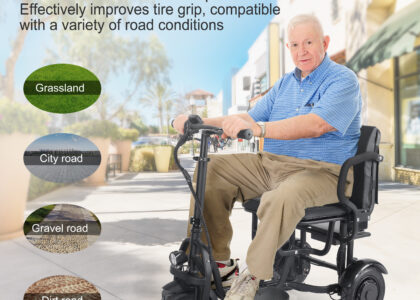
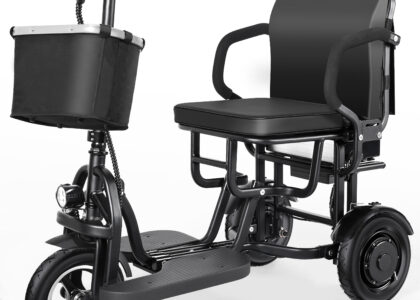
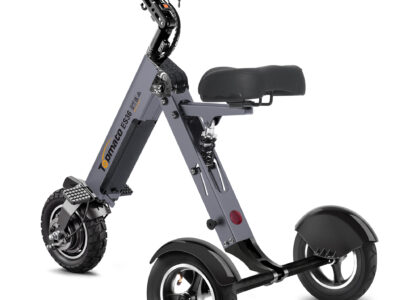
The best scooter for elderly users recovering from surgery should provide stable support, easy accessibility, smooth riding comfort, and lightweight portability. Seniors recovering from knee replacement, hip surgery, spinal procedures, or leg injuries often benefit from foldable mobility scooters with suspension, padded seating, stable wheel configurations, and simple controls that reduce physical strain during recovery.
Introduction
Recovering from surgery can make even short daily activities feel exhausting for seniors. Walking through grocery stores, climbing ramps, or standing for extended periods may increase pain, swelling, or fatigue during recovery. That is why many families begin searching for the best scooter for elderly users recovering from surgery shortly after a medical procedure.
Why Seniors Need Mobility Support After Surgery
Surgical recovery often reduces balance, flexibility, and leg strength for several weeks or months. Even seniors who were previously active may struggle with:
- Walking long distances
- Standing for extended periods
- Climbing inclines
- Carrying shopping bags
- Getting in and out of vehicles
- Managing outdoor mobility independently
For example, many seniors recovering from knee replacement surgery can comfortably walk short indoor distances but experience swelling and pain after walking through large shopping centers or airports.
Similarly, seniors recovering from hip surgery may feel unstable on uneven sidewalks or parking lots. A stable mobility scooter helps reduce fall risks while supporting safer movement during rehabilitation.
Caregivers also benefit from portable scooters because transportation becomes easier during:
- Hospital follow-up visits
- Rehabilitation appointments
- Grocery shopping
- Family outings
- Vacation travel
- Outdoor community events
Common Recovery Situations Where Mobility Scooters Help
After Knee Replacement Surgery
One of the biggest challenges after knee surgery is managing swelling and fatigue during longer outings. Many seniors can handle light movement indoors but struggle during extended walking.
A lightweight mobility scooter helps by:
- Reducing strain on healing knees
- Preventing overexertion
- Supporting smoother rehabilitation
- Allowing gradual mobility independence
For outdoor use, scooters with suspension systems provide smoother rides on sidewalks and uneven terrain.
After Hip Surgery
Hip surgery recovery often limits flexibility and makes mounting traditional scooters difficult. Seniors recovering from hip procedures usually benefit from:
- Swivel seats
- Adjustable armrests
- Stable 4-wheel designs
- Easy step-through accessibility
These features reduce twisting movements and improve overall comfort.
Recovery From Spinal or Back Surgery
Seniors recovering from spinal procedures often experience discomfort from vibrations and poor posture.
A mobility scooter with:
- Suspension systems
- Padded ergonomic seating
- Back support
- Shock absorption
can significantly improve comfort during outdoor movement.
Temporary Mobility Assistance During Rehabilitation
Not every senior needs permanent mobility support. Many users only require assistance during recovery periods lasting several months.
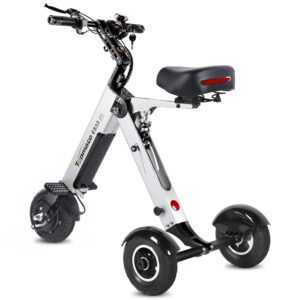
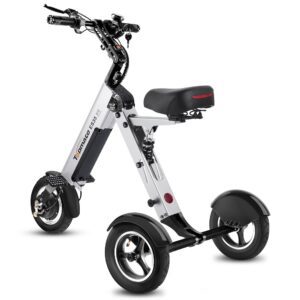
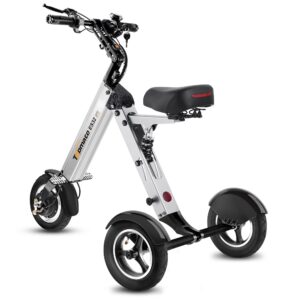
Foldable travel scooters work especially well for temporary use because they are:
- Easier to transport
- Simpler to store
- Lightweight for caregivers
- More practical for travel
What Seniors Actually Need During Recovery
Many generic buying guides focus only on scooter specifications. However, seniors recovering from surgery usually care more about practical daily usability.
Below are real-world concerns buyers often mention before purchasing a mobility scooter.
“Can I Take It to Medical Appointments Easily?”
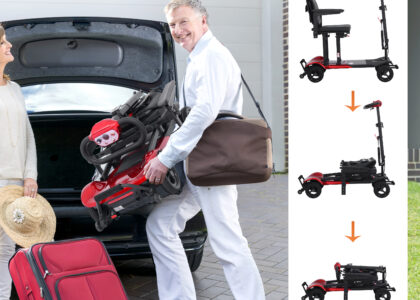
Many seniors need scooters that fit inside SUVs, sedans, or compact crossovers without requiring heavy lifting.
Modern foldable scooters typically weigh between:
| Scooter Type | Average Weight |
|---|---|
| Lightweight Foldable Scooter | 45–65 lbs |
| Standard Travel Scooter | 70–95 lbs |
| Heavy-Duty Scooter | 110–180 lbs |
For recovery situations, lightweight foldable mobility scooters are often easier for caregivers to transport.
“Will It Be Comfortable for Long Hospital Visits?”
Comfort matters more during recovery because swelling and joint pain increase after sitting for long periods.
Important comfort features include:
- Thick padded seats
- Suspension systems
- Adjustable armrests
- Wide foot platforms
- Smooth acceleration
Scooters with front and rear suspension generally provide smoother rides during longer outdoor use.
“Can It Handle Hills and Outdoor Sidewalks?”
Many seniors in suburban areas need scooters capable of handling driveways, ramps, and mild inclines.
Recommended climbing capability:
| Terrain Type | Recommended Climbing Ability |
|---|---|
| Indoor and flat sidewalks | 6°–8° incline |
| Outdoor ramps and hills | 10°–12° incline |
| Steeper community slopes | 12°+ incline |
Travel mobility scooters designed for outdoor use often perform better with:
- Larger wheels
- Better ground clearance
- Dual braking systems
- Stronger motors
Best Types of Scooters for Elderly Users Recovering From Surgery
Foldable Mobility Scooters
Foldable mobility scooters are ideal for temporary recovery support because they are lightweight and easy to store.
Best for:
- Hospital visits
- Family travel
- Apartment living
- Rehabilitation appointments
Typical specifications:
- Battery range: 10–20 miles
- Weight capacity: 220–300 lbs
- Folding time: Under 1 minute
4-Wheel Stability Scooters
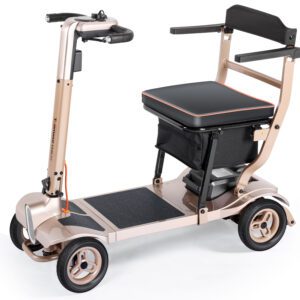
4-wheel mobility scooters provide additional balance support for seniors recovering from major surgery.
Benefits include:
- Improved outdoor stability
- Reduced tipping risk
- Better confidence on uneven surfaces
- Smoother long-distance comfort
Typical specifications:
- Range: 15–25 miles
- Weight capacity: 265–350 lbs
- Larger wheelbases for stability
These scooters are especially useful for seniors recovering from knee or hip surgery.
Compact Indoor Mobility Scooters
Compact scooters are ideal for:
- Retirement communities
- Indoor hallways
- Apartments
- Grocery stores
- Medical clinics
Most compact scooters feature:
- Tight turning radius
- Lightweight steering
- Smaller frames
- Easy maneuverability
Key Features to Prioritize After Surgery
Suspension Systems
Seniors recovering from surgery often underestimate how uncomfortable rough sidewalks can feel. Suspension helps absorb vibrations that may aggravate healing joints.
For outdoor use, front-and-rear suspension systems provide noticeably smoother rides.
Battery Range
Battery range affects confidence during outings.
Typical recommended ranges:
| Usage Type | Recommended Range |
|---|---|
| Short indoor errands | 8–10 miles |
| Shopping and appointments | 12–18 miles |
| Outdoor daily use | 20+ miles |
Lithium battery systems are becoming more common because they:
- Charge faster
- Last longer
- Reduce scooter weight
Weight Capacity
Recovery often requires carrying:
- Medical bags
- Oxygen equipment
- Shopping items
- Personal belongings
Recommended capacities:
- Standard seniors: 220–265 lbs
- Larger users or equipment needs: 300+ lbs
Easy Accessibility
After surgery, mounting and dismounting become more difficult.
Helpful features include:
- Swivel seating
- Adjustable armrests
- Wide foot platforms
- Low step-through design
Comparison Table: Which Scooter Type Works Best?
| Scooter Type | Comfort | Stability | Portability | Best For | Suspension | Typical Range |
|---|---|---|---|---|---|---|
| Foldable Travel Scooter | High | Moderate | Excellent | Recovery travel | Moderate | 10–20 miles |
| 4-Wheel Scooter | Very High | Excellent | Moderate | Outdoor recovery | Excellent | 15–25 miles |
| Compact Indoor Scooter | Moderate | Good | Very Good | Apartments and clinics | Basic | 8–12 miles |
| Comfort Mobility Scooter | Excellent | Excellent | Moderate | Long recovery outings | Excellent | 20+ miles |
Real-Life Use Scenarios
Grocery Shopping After Surgery
A senior recovering from knee surgery may feel comfortable walking indoors but become fatigued after 15–20 minutes in large stores.
A compact travel scooter helps reduce:
- Joint swelling
- Fatigue
- Walking strain
- Recovery setbacks
Airport and Cruise Travel
Many seniors postpone vacations after surgery because airports require extensive walking.
Lightweight foldable scooters simplify:
- Airport navigation
- Cruise boarding
- Hotel movement
- Family travel
Outdoor Community Events
Neighborhood festivals, parks, and outdoor gatherings often involve uneven terrain.
Scooters with:
- Larger wheels
- Better suspension
- Stable 4-wheel configurations
typically perform more comfortably outdoors.
Common Mistakes Buyers Make
Choosing the Cheapest Scooter
Lower-cost scooters may lack:
- Suspension
- Proper seat padding
- Battery reliability
- Outdoor stability
Ignoring Weight and Transportability
Some scooters are too heavy for caregivers to lift into vehicles regularly.
Always check:
- Total scooter weight
- Folding mechanism
- Vehicle compatibility
Buying Oversized Models for Indoor Use
Large scooters may struggle in:
- Apartment hallways
- Elevators
- Small clinics
- Shopping aisles
Expert Buying Tips
- Prioritize comfort over top speed
- Test seat accessibility before purchasing
- Choose suspension for outdoor recovery use
- Consider future mobility needs
- Select lightweight foldable designs for travel
- Look for lithium battery systems when possible
- Focus on stability during rehabilitation
Conclusion
Recovering from surgery becomes much easier when seniors have the right mobility support. The best scooters for elderly users recovering from surgery combine comfort, stability, smooth suspension, and lightweight portability to reduce physical strain during rehabilitation. best scooter for elderly
Whether seniors need help with shopping, medical appointments, outdoor mobility, or travel, modern foldable mobility scooters provide practical daily support while helping maintain independence and confidence.
FAQ
What is the best scooter for elderly users recovering from surgery?
The best option is usually a lightweight mobility scooter with stable wheels, suspension, and comfortable seating. Foldable scooters are especially useful for daily recovery and travel.
Are foldable mobility scooters good for seniors after surgery?
Yes. Foldable mobility scooters are easy to transport, store, and use during rehabilitation and medical visits.
What features should seniors look for in a recovery mobility scooter?
Look for padded seats, suspension, stable 4-wheel support, easy controls, and long battery range for smoother recovery mobility.
Can mobility scooters help after knee replacement surgery?
Yes. Mobility scooters help reduce walking strain and improve independence during knee replacement recovery.