
Quick Answer
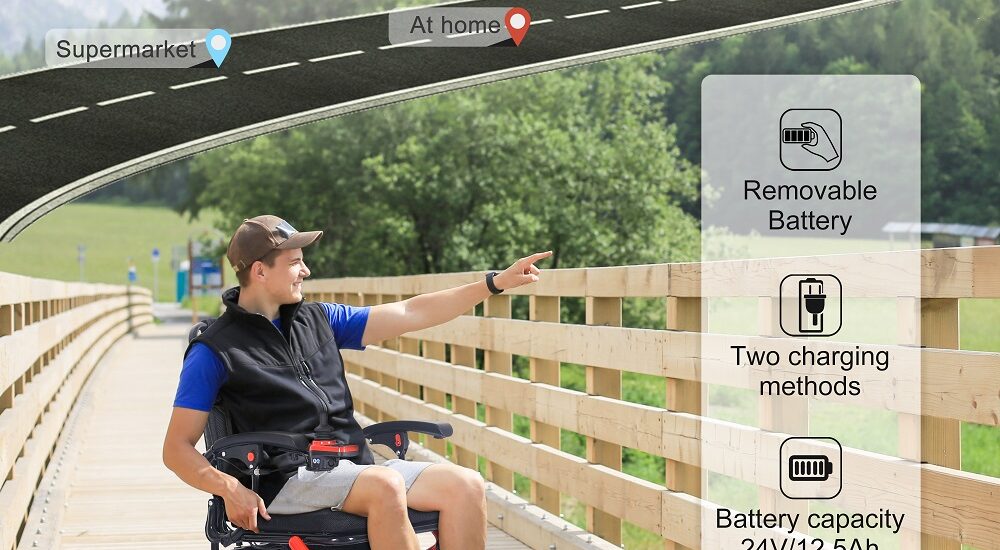
Most electric tricycles can travel between 15 and 50 miles (24–80 km) on a single charge, depending on battery size, rider weight, terrain, weather conditions, speed, and cargo load. Compact and travel-friendly electric tricycles often provide a range of 15–25 miles, while larger electric trikes with higher-capacity batteries can reach 40–50 miles or more under ideal conditions.
However, advertised range figures are usually tested in controlled environments. In real-world use, many riders experience approximately 15–30% less range due to hills, stop-and-go riding, wind resistance, and heavier loads. For seniors, caregivers, and daily riders, choosing a tricycle with slightly more range than needed is often the smartest decision.
Introduction
One of the first questions buyers ask before purchasing an electric tricycle is, “How far can it travel on one charge?” The answer matters because battery range directly affects convenience, independence, and confidence when riding.
Whether you’re a senior running daily errands, a caregiver helping a loved one maintain mobility, or a traveler exploring new destinations, understanding realistic battery performance helps you choose the right electric tricycle.
While manufacturers often advertise impressive mileage figures, actual performance depends on many factors. This guide explains how electric tricycle range works, what affects battery life, how far different models typically travel, and how to choose the right battery capacity for your lifestyle.
What Determines Electric Tricycle Range?
Several factors influence how far an electric tricycle can travel before needing a recharge.
Battery Capacity
Battery capacity is measured in watt-hours (Wh).
Generally:
| Battery Capacity | Typical Range |
|---|---|
| 300–400 Wh | 10–20 miles |
| 400–600 Wh | 15–30 miles |
| 600–800 Wh | 25–45 miles |
| 800+ Wh | 40–60+ miles |
Larger batteries store more energy and typically provide longer travel distances.
Rider Weight
Heavier riders require more power from the motor.
For example:
| Rider Weight | Range Impact |
| Under 150 lbs | Maximum efficiency |
| 150–220 lbs | Moderate impact |
| Over 220 lbs | Noticeable reduction |
Carrying groceries, luggage, or personal items also affects battery consumption.
Terrain
Flat surfaces require less energy than hills.
Flat Pavement
- Maximum battery efficiency
- Longer travel distance
Rolling Hills
- Moderate battery usage
- Reduced range
Steep Inclines
- Highest energy consumption
- Significant range reduction
Speed
Faster speeds consume more battery power.
| Riding Style | Range Effect |
| Slow cruising | Longer range |
| Moderate speed | Balanced efficiency |
| Maximum speed | Reduced range |
Many riders achieve the best balance between comfort and efficiency at moderate speeds.
Weather Conditions
Environmental conditions play a major role.
Cold temperatures can reduce battery efficiency, while strong winds force the motor to work harder.
Common range reductions:
- Cold weather: 10–20%
- Strong headwinds: 5–15%
- Wet conditions: Minor impact
Advertised Range vs Real-World Range
One of the biggest buying mistakes is assuming manufacturer range estimates reflect everyday riding.
Most manufacturers test range under ideal conditions:
- Flat roads
- Moderate temperatures
- Light rider weight
- Consistent speed
- Minimal cargo
Real-world riding is different.
Typical Real-World Range Expectations
| Advertised Range | Real-World Range |
| 20 miles | 14–18 miles |
| 30 miles | 22–27 miles |
| 40 miles | 28–36 miles |
| 50 miles | 35–45 miles |
This is why experienced riders recommend purchasing more range than you currently need.
How to Choose the Right Battery Range
For Neighborhood Errands
Typical activities:
- Grocery shopping
- Pharmacy visits
- Local transportation
Recommended range:
15–25 miles
For Daily Transportation
Typical activities:
- Multiple stops
- Regular appointments
- Community travel
Recommended range:
20–35 miles
For Recreational Riding
Typical activities:
- Park visits
- Scenic rides
- Weekend outings
Recommended range:
25–45 miles
For Outdoor Adventures
Typical activities:
- Long-distance routes
- Mixed terrain
- Extended riding sessions
Recommended range:
40+ miles
Comparison Table: Range Expectations by Tricycle Type
| Tricycle Type | Typical Range | Best For |
| Compact Travel Tricycle | 15–25 miles | Travel and errands |
| Foldable Electric Tricycle | 15–30 miles | Storage and portability |
| Standard Electric Tricycle | 20–40 miles | Daily transportation |
| Cargo Electric Tricycle | 20–35 miles | Shopping and hauling |
| Long-Range Electric Tricycle | 40–60+ miles | Outdoor recreation |
Which Option Is Best for Different Users?
Best for Frequent Travelers
Travel-focused electric tricycles prioritize portability and convenience. A range of 15–25 miles is usually sufficient for airports, resorts, and sightseeing.
Best for Cruise Vacations
Cruise passengers typically use their tricycles for short distances around ports and terminals. Compact foldable models work well.
Best for Grocery Shopping
A practical range of 20–30 miles allows multiple shopping trips without daily charging.
Best for Seniors Living Alone
Many seniors find that 20–30 miles provides enough flexibility for appointments, errands, and social visits.
Best for Small Apartments
Storage often matters more than maximum range. Foldable designs offer an excellent balance.
Best for Daily Errands
A tricycle capable of 25–35 real-world miles is often ideal.
Best for Outdoor Recreation
Long-range battery systems provide the freedom to explore parks, trails, and larger communities.
A Typical Day Using an Electric Tricycle
Imagine a senior rider beginning the day with a fully charged battery.
Morning
A short trip to the pharmacy and local grocery store uses only a small portion of battery capacity.
Afternoon
The rider attends a medical appointment and visits a nearby park.
Evening
A stop at a friend’s home completes the day’s travel.
Total distance traveled:
Approximately 12–18 miles.
For most modern electric tricycles, this level of use can be completed comfortably on a single charge.
Common Mistakes That Reduce Battery Range
1. Riding at Maximum Speed Constantly
Higher speeds significantly increase energy consumption.
2. Ignoring Tire Pressure
Underinflated tires create more rolling resistance.
3. Carrying Excessive Cargo
Additional weight forces the motor to work harder.
4. Skipping Battery Maintenance
Poor charging habits can reduce long-term battery performance.
5. Leaving Batteries in Extreme Temperatures
Heat and cold can affect battery health and efficiency.
6. Choosing Too Little Range
Many buyers underestimate future mobility needs.
7. Not Accounting for Hills
Hilly environments often require larger battery capacities.
Final Recommendations
| User Type | Recommended Range |
| Frequent Traveler | 15–25 miles |
| Cruise Passenger | 15–25 miles |
| Airport User | 15–25 miles |
| Daily Shopper | 20–30 miles |
| Outdoor Rider | 40+ miles |
| Senior Living Alone | 20–30 miles |
| Caregiver Purchase | 20–35 miles |
Conclusion
The distance an electric tricycle can travel on one charge depends on far more than battery size alone. Rider weight, terrain, weather, speed, and cargo all influence real-world performance. While many electric tricycles advertise ranges between 15 and 50 miles, actual results are often lower than manufacturer estimates.
For most seniors and everyday riders, a real-world range of 20–30 miles provides ample flexibility for errands, appointments, shopping trips, and recreational rides. Meanwhile, outdoor enthusiasts and long-distance riders may benefit from larger battery systems capable of 40 miles or more.
FAQ
What is the average electric tricycle range on a single charge?
The average electric tricycle range is between 15 and 50 miles on a single charge. Actual distance depends on battery size, rider weight, terrain, speed, and weather conditions.
How can I increase the electric tricycle range?
You can improve electric tricycle range by maintaining proper tire pressure, riding at moderate speeds, reducing unnecessary cargo weight, avoiding steep hills when possible, and keeping the battery properly charged and maintained.
Does rider weight affect electric tricycle range?
Yes. Heavier riders and additional cargo require more power from the motor, which can reduce electric tricycle range. Models with larger batteries typically handle heavier loads more efficiently.
What electric tricycle range is best for daily errands?
For most seniors and everyday riders, an electric tricycle range of 20–30 miles is sufficient for grocery shopping, medical appointments, community travel, and other daily activities.

-scaled-2-420x300.jpg)