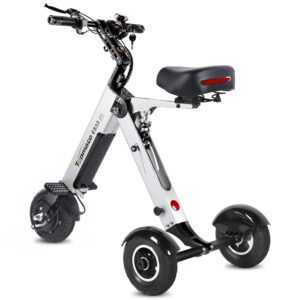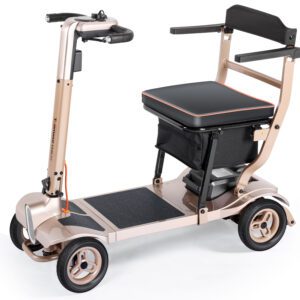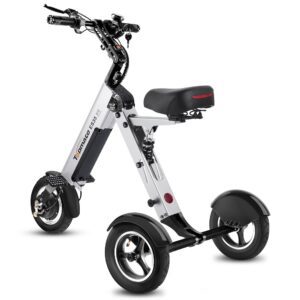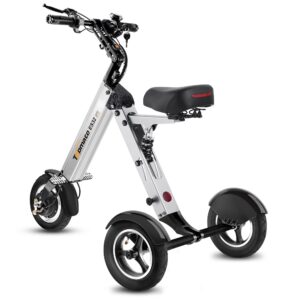
Quick Answer
A mobility scooter’s weight capacity is the maximum combined weight of the rider and everything carried on the scooter, including groceries, backpacks, oxygen tanks, shopping bags, and accessories. Most mobility scooters support 250–350 lbs (113–159 kg), while heavy-duty models can handle 400–500 lbs (181–227 kg) or more.
For the safest performance, it’s recommended to stay 10–15% below the maximum rated capacity whenever possible. Exceeding the weight limit can reduce battery life, shorten driving range, increase braking distance, wear out tires faster, strain the motor, and reduce overall stability.
Introduction
Whether you’re buying your first mobility scooter or helping a loved one choose one, understanding weight capacity is one of the most important factors.
Many people assume the listed weight limit refers only to the rider. In reality, manufacturers calculate capacity based on everything the scooter carries—including the rider, bags, medical equipment, groceries, and accessories.
What Does Weight Capacity Mean?
Weight capacity is the maximum total load that a mobility scooter is designed to carry safely.
This includes:
- Rider
- Backpack
- Grocery bags
- Oxygen tank
- Purse
- Water bottle
- Phone holder
- Basket contents
- Any additional accessories
Why Do Manufacturers Set Weight Limits?
Weight limits are based on engineering and safety testing rather than estimates.
Manufacturers evaluate how the scooter performs when carrying different loads to ensure reliable operation. The frame must remain structurally sound, the motor must deliver consistent power, and the braking system must stop the scooter safely.
Weight limits also help ensure:
- Stable handling
- Safe turning
- Efficient battery use
- Reliable hill climbing
- Comfortable riding
- Longer component life
Ignoring these limits can increase wear and reduce the scooter’s overall lifespan.
How to Calculate Total Weight
Use this simple formula:
Total Weight = Rider + Cargo + Accessories
Example
| Item | Weight |
|---|---|
| Rider | 185 lbs |
| Backpack | 12 lbs |
| Groceries | 28 lbs |
| Oxygen tank | 18 lbs |
| Water bottle | 3 lbs |
Total Weight = 246 lbs
If the scooter has a 300 lb capacity, this rider remains within the safe limit with room for additional light items.
Mobility Scooter Weight Capacity Comparison
Although capacities vary by model, the following ranges are common.
| Scooter Type | Typical Weight Capacity | Best For |
|---|---|---|
| Portable travel scooter | 250 lbs | Travel and occasional errands |
| Foldable mobility scooter | 250–300 lbs | Daily commuting and storage convenience |
| Standard 4-wheel scooter | 300–350 lbs | Everyday outdoor use |
| Heavy-duty scooter | 400–500 lbs | Larger riders and heavier cargo |
Always verify the manufacturer’s specifications before purchasing.
How Carrying Too Much Weight Affects Performance
Even if a scooter still moves while overloaded, performance and safety can be significantly affected.
1. Battery Life
Extra weight requires the motor to draw more power from the battery.
This can result in:
- Faster battery drain
- More frequent charging
- Reduced battery lifespan over time
2. Driving Range
Heavier loads reduce the distance you can travel on a single charge.
For example:
- Light rider: close to the advertised range
- Heavy rider with cargo: noticeably shorter range
Planning shorter trips may become necessary if carrying heavier loads.
3. Speed
Additional weight increases the effort required to move the scooter.
You may notice:
- Slower acceleration
- Lower speed on hills
- Reduced climbing ability
- Less responsive handling
4. Braking Distance
More weight means more momentum.
As a result:
- Longer stopping distances
- Increased brake wear
- Greater caution needed on slopes
- Reduced emergency stopping performance
Always leave extra space between yourself and obstacles when carrying heavier loads.
5. Tire Wear
Overloaded tires experience greater pressure.
This often leads to:
- Faster tread wear
- Reduced traction
- Increased puncture risk
- More frequent replacements
Proper tire maintenance becomes even more important under heavier loads.
6. Suspension Performance
The suspension absorbs bumps and helps maintain a comfortable ride.
Too much weight can:
- Compress the suspension excessively
- Reduce ride comfort
- Increase vibration
- Make uneven surfaces feel rougher
7. Motor Strain
The motor works harder when carrying excessive weight.
Long-term overloading can contribute to:
- Increased heat
- Reduced efficiency
- More frequent maintenance
- Shorter motor lifespan
Keeping within the recommended weight capacity helps preserve motor performance.
Safe Ways to Carry Groceries
Many riders use their mobility scooters for shopping trips.
To stay safe:
- Use a front basket or rear storage bag
- Spread weight evenly
- Avoid stacking heavy bags on handlebars
- Secure loose items before moving
- Make multiple trips if needed
Heavy grocery loads should never affect steering or balance.
Carrying an Oxygen Tank
Many mobility scooter users rely on portable oxygen equipment.
Safety tips include:
- Use a dedicated oxygen tank holder if available
- Secure the tank to prevent movement
- Keep the weight balanced
- Avoid placing tanks loosely on the floorboard
Always include the tank’s weight when calculating the total load.
Carrying Backpacks
Backpacks are convenient but can shift the scooter’s balance if overloaded.
For better stability:
- Choose lightweight bags
- Keep heavier items low
- Avoid oversized backpacks
- Secure bags to prevent swinging
Carrying Shopping Bags
Shopping bags should be distributed evenly.
Avoid:
- Hanging heavy bags from one handlebar
- Blocking the wheels
- Obstructing steering
- Carrying more than the basket is designed to support
Balanced loads improve steering and stability.
Carrying Pets
Some riders travel with small pets in carriers.
If bringing a pet:
- Use a secure pet carrier
- Position the carrier on a stable platform
- Ensure proper ventilation
- Avoid sudden turns or high speeds
Remember to include the pet and carrier in your total weight calculation.
Real-World Weight Scenarios
Scenario 1: Grocery Shopping
- Rider: 170 lbs
- Groceries: 30 lbs
- Backpack: 10 lbs
Total: 210 lbs
Suitable for many portable and foldable scooters.
Scenario 2: Daily Medical Appointments
- Rider: 220 lbs
- Oxygen tank: 18 lbs
- Bag: 15 lbs
Total: 253 lbs
A scooter with at least a 300 lb weight capacity provides a comfortable safety margin.
Scenario 3: Weekend Shopping
- Rider: 195 lbs
- Groceries: 40 lbs
- Pet carrier: 15 lbs
- Backpack: 12 lbs
Total: 262 lbs
A standard scooter with a 300–350 lb capacity would generally be more appropriate than a smaller travel model.
Tips for Maximizing Performance
Following a few simple habits can help maintain scooter performance.
- Stay below the rated capacity whenever possible.
- Distribute cargo evenly across storage areas.
- Keep tires properly inflated.
- Charge the battery regularly according to the manufacturer’s recommendations.
- Avoid carrying unnecessary items.
- Reduce speed when traveling with heavier loads.
- Inspect baskets and accessories before every trip.
- Schedule routine maintenance to keep the scooter in good condition.
How to Choose the Right Scooter Weight Capacity
When comparing scooters, think beyond your current body weight.
Consider:
Daily Use
Will you carry groceries, work supplies, or medical equipment regularly?
Travel
Frequent travelers may prioritize portability but still need enough capacity for luggage.
Medical Equipment
Include oxygen tanks, walkers, or other mobility aids in your calculations.
Future Needs
Buying a scooter with additional capacity can provide greater flexibility as your needs change.
Comfort
Operating below the maximum load often improves ride quality and efficiency.
Conclusion
Understanding mobility scooter weight limits is essential for safe, reliable, and comfortable travel. Remember that the published capacity includes both the rider and everything carried on the scooter. Staying within the recommended limit helps protect the battery, motor, brakes, tires, and suspension while improving overall performance.
Before purchasing a mobility scooter, consider your typical daily load, any medical equipment, shopping habits, and future mobility needs. Selecting a scooter with an appropriate weight capacity—and leaving a reasonable safety margin—can provide a smoother ride, longer component life, and greater confidence during everyday use.
FAQ
Does a mobility scooter's weight limit include groceries and bags?
Yes. The weight limit includes the rider and all cargo, such as groceries, backpacks, medical equipment, and accessories.
What happens if I exceed my mobility scooter's weight limit?
Exceeding the limit can reduce battery life, shorten driving range, increase braking distance, strain the motor, accelerate tire wear, and affect overall stability.
How much extra weight should I allow when choosing a scooter?
A good rule is to select a scooter with a capacity that provides at least a 10–15% margin above your expected total weight.