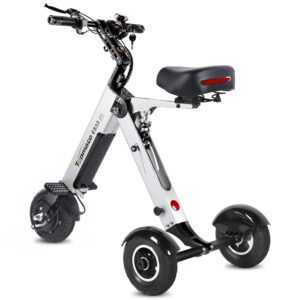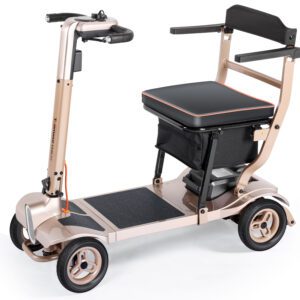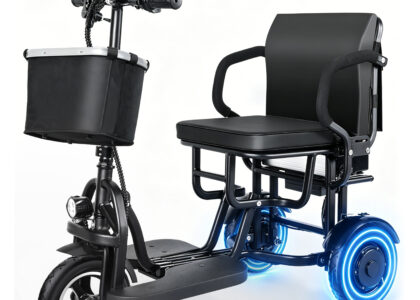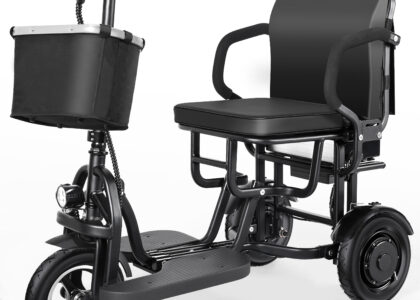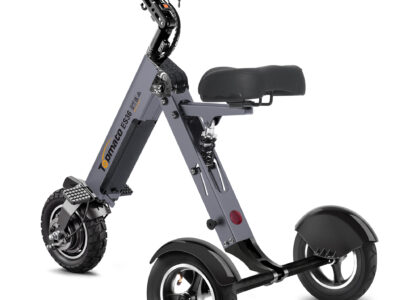

Mobility scooters provide independence, convenience, and confidence for millions of seniors, travelers, caregivers, and people with limited mobility. Like any vehicle, however, they require regular maintenance to stay safe, reliable, and efficient.
So, how often should a mobility scooter be serviced? Most manufacturers recommend a professional inspection every 6 to 12 months, depending on how frequently the scooter is used. Alongside annual servicing, owners should perform simple monthly maintenance tasks such as checking the battery, tires, brakes, lights, and controls.
Following a proper mobility scooter service schedule helps reduce unexpected breakdowns, improves battery performance, extends the scooter’s lifespan, and ensures safer everyday travel.
Quick Answer
For most users, follow this schedule:
- Perform a quick visual inspection before every ride.
- Check battery, tires, brakes, and controls every month.
- Schedule professional servicing every 6–12 months.
- Heavy daily users may benefit from inspections every 6 months.
- Replace worn components as recommended by the manufacturer.
Regular mobility scooter maintenance is far less expensive than repairing damage caused by neglected servicing.
Why Regular Servicing Matters
A mobility scooter experiences daily wear from sidewalks, uneven roads, shopping centers, parks, and travel. Small issues that go unnoticed can eventually become costly repairs or even safety hazards.
Routine maintenance helps:
- Improve rider safety
- Extend battery life
- Prevent unexpected breakdowns
- Reduce repair costs
- Maintain smooth steering and braking
- Increase overall scooter lifespan
For example, a senior using their scooter only for grocery shopping may accumulate relatively few miles each month, while someone relying on it every day for commuting around a retirement community places significantly more stress on the motor, tires, and battery. Mobility Scooter Serviced Schedule
Regular inspections help identify these differences before problems develop.
Recommended Maintenance Schedule
The following mobility scooter service schedule works well for most owners.
| Frequency | Maintenance Task | DIY or Technician | Importance |
|---|---|---|---|
| Before every ride | Visual inspection for damage | DIY | High |
| Weekly | Check battery charge | DIY | High |
| Monthly | Inspect tires, brakes, lights, controls | DIY | High |
| Every 3 months | Tighten loose bolts and clean scooter thoroughly | DIY | Medium |
| Every 6 months | Professional inspection for frequent users | Technician | High |
| Every 12 months | Full servicing including electrical system, motor, suspension, and diagnostics | Technician | Very High |
| As needed | Replace worn tires, batteries, brake components | Technician | High |
The exact schedule depends on:
- Daily mileage
- Terrain
- Weather exposure
- Indoor vs outdoor storage
- Scooter model
- Manufacturer recommendations
Monthly Maintenance Checklist
A simple monthly inspection only takes about 15–20 minutes and can help prevent many common problems.
Battery
The battery is one of the most important components.
Check for:
- Full charging performance
- Loose battery connections
- Corrosion on terminals
- Physical damage
- Reduced driving range
Battery maintenance tips
- Charge after each use.
- Avoid letting batteries remain fully discharged.
- Store in a dry location.
- Use only the recommended charger.
- Charge regularly during long-term storage.
For example, travelers who store their scooter over winter should recharge the battery every few weeks rather than leaving it unused for months.
Tires
Inspect the tires for:
- Uneven wear
- Cuts or cracks
- Proper inflation (for pneumatic tires)
- Secure wheel attachment
Low tire pressure reduces efficiency, shortens battery range, and affects steering performance.
Brakes
Test the braking system before each trip.
Check that:
- Brakes engage smoothly
- Stopping distance remains consistent
- Parking brake functions properly
- No unusual noises occur
If braking performance changes suddenly, schedule a professional inspection immediately.
Lights
Working lights improve visibility, especially during early mornings or evenings.
Verify:
- Headlights
- Rear lights
- Turn signals
- Reflectors
Replacing a failed light is inexpensive but significantly improves safety.
Controls
Inspect all operating controls.
Test:
- Throttle
- Speed selector
- Horn
- Display panel
- Direction controls
Buttons should respond immediately without sticking or hesitation.
Signs Your Scooter Needs Immediate Service
Some problems should never be ignored.
Arrange professional servicing if you notice:
- Battery losing charge much faster than normal
- Reduced driving range
- Difficulty climbing slopes
- Unusual motor noises
- Clicking sounds during acceleration
- Steering pulling to one side
- Loose handlebars
- Brakes feeling weak
- Dashboard warning indicators
- Burning smell
- Electrical issues
- Frequent power loss
For example, if a caregiver notices the scooter slowing dramatically during routine shopping trips, the cause could be a worn battery, damaged controller, or failing motor—not simply battery age.
Prompt servicing prevents larger repairs.
Professional Service vs DIY Maintenance
Many maintenance tasks can be completed at home, while others require specialized equipment and experience.
| Maintenance | DIY Maintenance | Professional Service |
|---|---|---|
| Cleaning | ✔ | |
| Charging battery | ✔ | |
| Tire inspection | ✔ | |
| Checking lights | ✔ | |
| Brake testing | ✔ | |
| Tightening loose hardware | ✔ | |
| Battery replacement | Sometimes | ✔ |
| Motor inspection | ✔ | |
| Electrical diagnostics | ✔ | |
| Controller testing | ✔ | |
| Suspension inspection | ✔ | |
| Software diagnostics (if applicable) | ✔ |
DIY maintenance helps catch small issues early, while professional servicing ensures critical mechanical and electrical systems continue operating safely.
Tips to Extend Your Scooter’s Lifespan
A few simple habits can significantly increase the life of your scooter.
- Charge the battery correctly after use.
- Avoid complete battery discharge.
- Clean the scooter regularly.
- Store indoors whenever possible.
- Protect the scooter from heavy rain and extreme temperatures.
- Avoid carrying more than the recommended weight.
- Drive carefully over curbs and rough terrain.
- Keep tires properly inflated.
- Schedule annual professional servicing.
- Follow the manufacturer’s maintenance recommendations.
For frequent travelers, cleaning the scooter after airport, cruise, or outdoor trips helps remove dirt, moisture, and debris that may accelerate wear.
Who Is This Best For?
A regular maintenance schedule benefits nearly every mobility scooter owner, especially:
- Seniors who rely on a scooter for daily independence.
- Caregivers responsible for keeping a loved one’s scooter safe and reliable.
- Travelers who frequently transport their scooter by car, plane, or cruise.
- Daily users who cover longer distances and place more wear on components.
- First-time owners looking to avoid expensive repairs through preventive care.
Common Maintenance Mistakes
Many repairs result from avoidable mistakes rather than normal wear.
Common errors include:
- Ignoring annual servicing
- Letting the battery completely discharge
- Using the wrong charger
- Storing the scooter outside for extended periods
- Driving with underinflated tires
- Exceeding the weight capacity
- Ignoring unusual noises
- Delaying repairs after minor accidents
- Failing to clean dirt from moving components
Addressing small issues early is almost always less expensive than replacing major components later. Mobility Scooter Serviced Schedule
Final Thoughts
Knowing how often should a mobility scooter be serviced is one of the easiest ways to protect your investment and maintain safe, dependable mobility. While basic monthly inspections can be handled at home, a professional service every 6 to 12 months helps identify hidden mechanical and electrical issues before they become serious.
Whether you use your scooter occasionally for shopping, every day around your neighborhood, or regularly while traveling, following a consistent mobility scooter maintenance routine will improve reliability, maximize battery life, reduce repair costs, and provide greater peace of mind.
FAQ
How often should a mobility scooter be professionally serviced?
Most mobility scooters should receive a professional inspection every 6–12 months, depending on usage and manufacturer recommendations.
Can I service my mobility scooter myself?
You can perform routine maintenance such as cleaning, checking tires, testing lights, and monitoring the battery, but electrical and mechanical repairs should be handled by a qualified technician.
How long does a mobility scooter battery typically last?
With proper battery maintenance, most batteries last 2–5 years, depending on usage, charging habits, and battery type.
What is the most important part of mobility scooter maintenance?
Keeping the battery properly charged, inspecting tires and brakes regularly, and following a scheduled service plan are the most important maintenance practices.