Quick Answer
If your main priority is easy turning and maneuverability, a 3-wheel mobility scooter generally turns better than a 4-wheel model because its single front wheel allows for a tighter turning radius. This makes it an excellent choice for indoor use, shopping centers, apartments, and other confined spaces.
A 4-wheel mobility scooter, while requiring a slightly wider turning space, offers greater stability, improved balance on uneven ground, and better confidence for outdoor riding.
The best choice depends on where you plan to use your scooter most often—not simply which one turns the tightest.
Understanding Turning Radius
When comparing 3 wheel vs 4 wheel mobility scooter designs, one specification matters more than most: turning radius.
Turning radius refers to the smallest circular space a mobility scooter needs to make a complete turn. The smaller the turning radius, the easier it is to navigate:
- Narrow hallways
- Doorways
- Elevators
- Grocery store aisles
- Apartment kitchens
- Crowded shopping malls
For users who frequently ride indoors, maneuverability often becomes more important than top speed or driving range.
Why Turning Radius Matters
Imagine entering a small elevator or making a U-turn in a supermarket aisle. A scooter with a tighter turning radius can complete these movements without multiple back-and-forth adjustments, saving time and reducing frustration.
For many seniors and caregivers, easier steering also means less physical effort throughout the day.
How 3-Wheel Scooters Turn
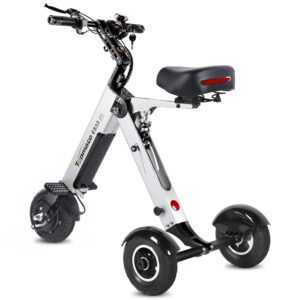
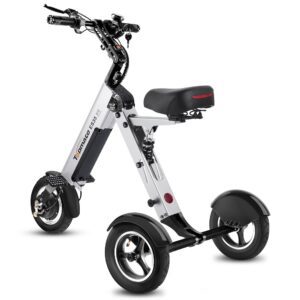
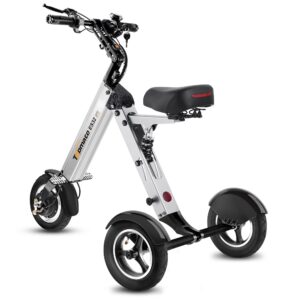
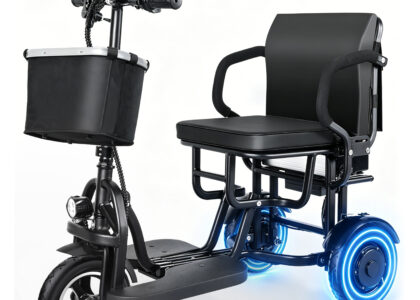
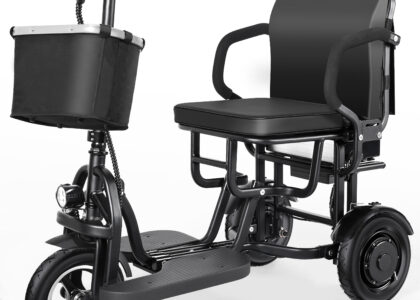
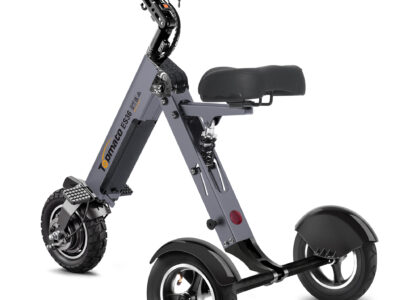
A 3-wheel mobility scooter has:
- One front wheel
- Two rear wheels
This design allows the front wheel to pivot at a sharper angle than most four-wheel models.
Advantages
Excellent Maneuverability
The biggest advantage is outstanding maneuverability. A 3-wheel scooter can easily weave around furniture, store displays, and narrow corridors.
Smaller Turning Radius
Most 3-wheel scooters require less space to make a full turn, making them ideal for:
- Apartments
- Assisted living facilities
- Shopping malls
- Museums
- Airports
- Indoor medical centers
Easier Indoor Navigation
Tight corners become much easier when driving through:
- Kitchen entrances
- Bathroom hallways
- Office corridors
- Hotel rooms
Comfortable Steering
Many riders find steering feels lighter because the front wheel changes direction more quickly.
Limitations
Although maneuverability is impressive, there are trade-offs.
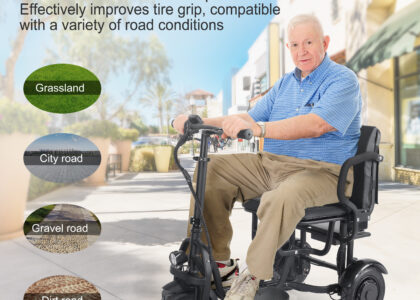
Less Stable on Uneven Ground
Because there is only one front wheel, balance is slightly reduced on:
- Gravel
- Grass
- Sloped sidewalks
- Uneven pavement
Sharp Turns Require Care
Fast cornering outdoors may feel less secure than with a four-wheel design.
Better for Smooth Surfaces
Three-wheel scooters perform best on:
- Tile
- Concrete
- Shopping centers
- Airports
- Smooth sidewalks
How 4-Wheel Scooters Turn
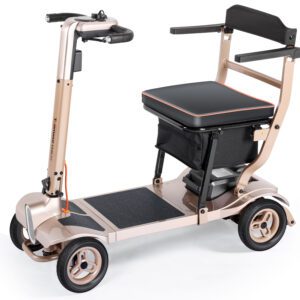
A 4-wheel mobility scooter has:
- Two front wheels
- Two rear wheels
The wider wheelbase creates more stability while still providing good maneuverability.
Advantages
Superior Stability
The biggest strength is confidence.
Four contact points help distribute weight evenly, reducing the feeling of tipping during turns.
Better Outdoor Riding
A 4-wheel scooter performs better on:
- Parks
- Sidewalk cracks
- Grass
- Gravel paths
- Uneven roads
More Comfortable on Longer Trips
The stable platform helps reduce body movement during extended rides.
Higher Weight Capacity
Many four-wheel models support higher weight limits, making them suitable for a wider range of users.
Limitations
Larger Turning Radius
The wider front end naturally requires more room when cornering.
You may need extra space inside:
- Small apartments
- Narrow hallways
- Compact elevators
Slightly Less Agile Indoors
Although modern 4-wheel scooters steer well, they usually require wider turns than comparable 3-wheel models.
Comparison Table
| Feature | 3-Wheel Mobility Scooter | 4-Wheel Mobility Scooter |
|---|---|---|
| Turning Radius | Excellent (smallest) | Very Good |
| Stability | Good | Excellent |
| Comfort | Excellent indoors | Excellent outdoors |
| Outdoor Riding | Good | Excellent |
| Indoor Riding | Excellent | Very Good |
| Cornering | Tight, agile turns | Smooth, controlled turns |
| Rough Terrain | Fair | Excellent |
| Portability | Usually lighter | Slightly heavier |
| Weight Capacity | Moderate | Higher on many models |
| Travel Use | Excellent for airports and hotels | Excellent for longer outdoor trips |
Which Scooter Is Better For…
Shopping Malls
Best Choice: 3-Wheel
Large shopping centers involve:
- Tight store entrances
- Clothing racks
- Narrow checkout lanes
- Busy crowds
A tighter turning radius makes navigating these areas much easier.
Homes
Best Choice: 3-Wheel
Inside most homes you’ll encounter:
- Hallways
- Kitchen corners
- Bedrooms
- Dining tables
- Furniture
The improved maneuverability helps reduce repeated reversing.
Airports
Best Choice: 3-Wheel
Airports require frequent turning through:
- Security lines
- Boarding gates
- Elevators
- Waiting areas
- Restrooms
A smaller turning radius makes travel less stressful.
Parks
Best Choice: 4-Wheel
Outdoor parks often include:
- Gravel paths
- Small bumps
- Grass
- Uneven pavement
A four-wheel scooter provides greater stability and confidence over these surfaces.
Retirement Communities
Best Choice: Depends on Your Routine
Choose a 3-wheel scooter if you mainly travel indoors between dining rooms, activity centers, and apartments.
Choose a 4-wheel scooter if you spend more time outdoors walking paths or visiting neighboring buildings.
Daily Commuting
Best Choice: 4-Wheel
For regular outdoor travel to:
- Grocery stores
- Medical appointments
- Local parks
- Community centers
A four-wheel scooter offers a smoother, more stable ride, especially over longer distances.
Buying Tips
Before deciding between a 3 wheel vs 4 wheel mobility scooter, consider these practical questions.
Where will you ride most often?
Mostly indoors?
Choose a scooter with a smaller turning radius.
Mostly outdoors?
Prioritize stability instead.
Measure Your Home
Measure:
- Door widths
- Hallways
- Kitchen spaces
- Elevator entrances
- Garage storage area
A scooter that fits comfortably through your daily routes will be easier to use.
Consider Your Confidence Level
First-time riders often appreciate the secure feeling of a four-wheel scooter outdoors, while experienced users may value the agility of a three-wheel model indoors.
Think About Travel
If you frequently visit airports, hotels, shopping malls, or cruise terminals, portability and maneuverability become increasingly important.
Test Before Buying
Whenever possible, test how the scooter handles:
- Tight turns
- Reverse movements
- Doorways
- Inclines
- Parking
Real-world handling often matters more than specifications alone.
Final Verdict
So, which mobility scooter turns better: 3-wheel or 4-wheel?
The answer is clear:
- Choose a 3-wheel mobility scooter if your priority is the tightest turning radius, excellent indoor mobility, and navigating compact spaces with ease.
- Choose a 4-wheel mobility scooter if you want greater stability, improved outdoor performance, and added confidence on uneven terrain.
Rather than asking which design is universally better, ask where you’ll ride most often. Matching the scooter to your everyday environment will lead to a more comfortable, safer, and more enjoyable experience.
FAQ
Which mobility scooter has the smallest turning radius?
A 3-wheel mobility scooter typically has the smallest turning radius, making it easier to maneuver in tight indoor spaces.
Is a 4-wheel mobility scooter harder to turn?
Not necessarily. A 4-wheel scooter is still easy to steer but usually needs slightly more room to complete tight turns than a 3-wheel model.
Which scooter is better for indoor use?
A 3-wheel mobility scooter is generally better for indoor use because of its superior maneuverability and tighter turning radius.
Is a 4-wheel mobility scooter better for outdoor riding?
Yes. A 4-wheel mobility scooter provides better stability and traction on uneven surfaces such as grass, gravel, and cracked sidewalks.