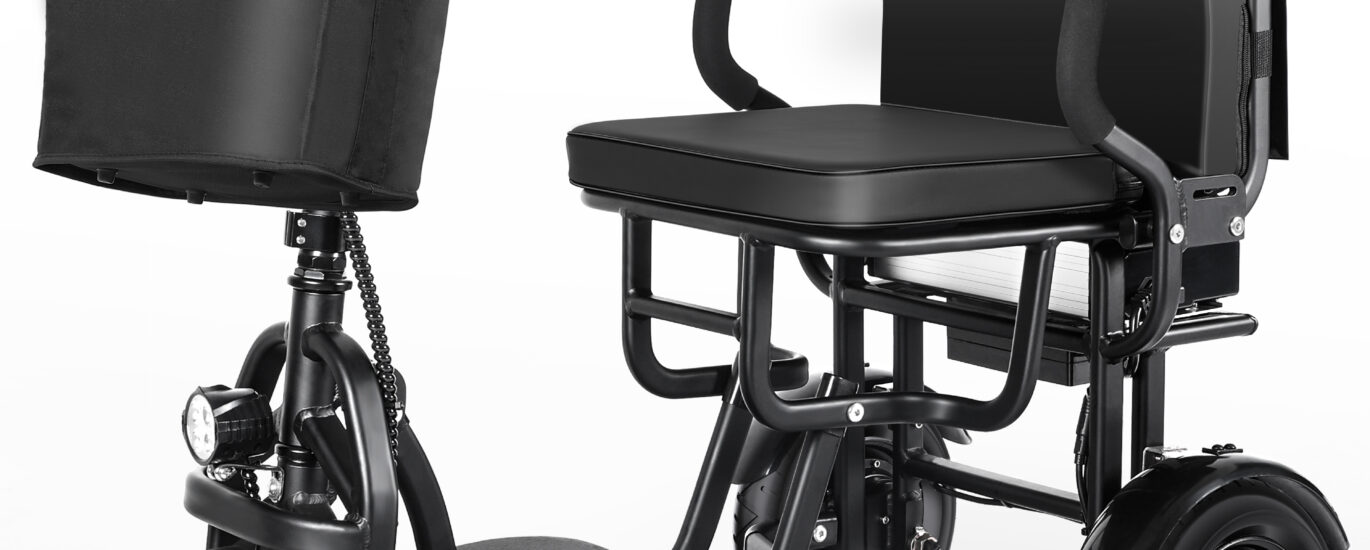
Quick Answer
If you’re wondering how wide does a door need to be for a mobility scooter, the short answer is:
- 30-inch (76 cm) door: Fits many compact and foldable mobility scooters, but clearance may be tight.
- 32-inch (81 cm) door: Recommended for most portable mobility scooters and provides more comfortable clearance.
- 36-inch (91 cm) door: Ideal for larger mobility scooters and offers the easiest access.
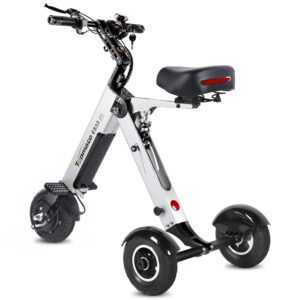
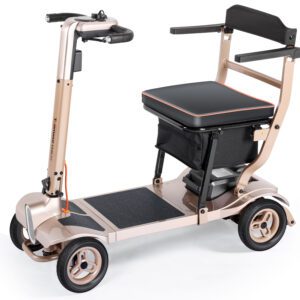
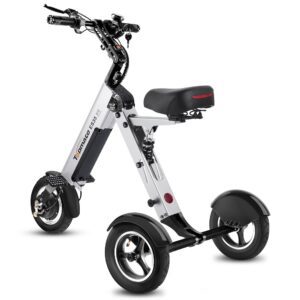
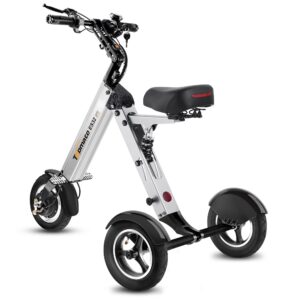
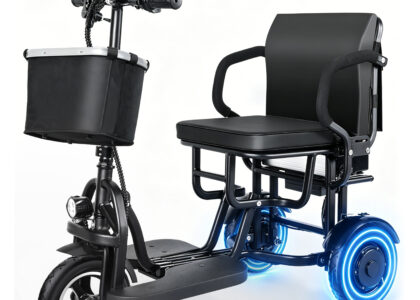
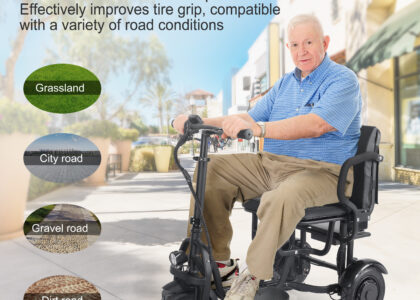
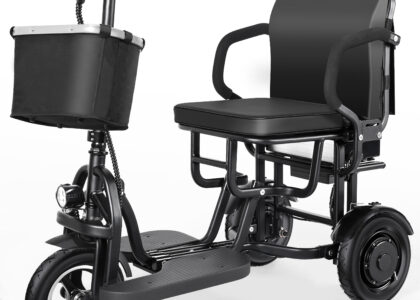
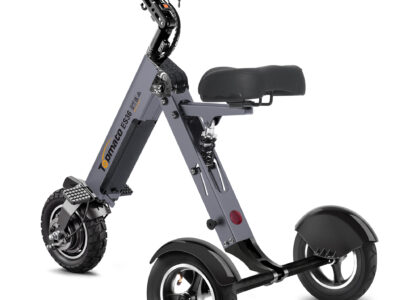
For most buyers, choosing a foldable mobility scooter with a width under 24 inches provides the greatest flexibility when navigating homes, apartments, hotels, retirement communities, airports, and cruise terminals.
Standard Door Widths Explained
Understanding standard doorway sizes helps you determine whether your mobility scooter will fit comfortably before making a purchase.
Residential Doors
Most modern homes have interior doors measuring:
- 28 inches (common in older homes)
- 30 inches (very common)
- 32 inches
- 36 inches (often used for entry doors)
A compact scooter may pass through a 30-inch doorway, but larger models may require a wider entrance.
Apartment Doors
Apartment layouts often include:
- Narrow hallways
- Smaller bathrooms
- Limited turning space
Although apartment entrance doors are usually 32–36 inches wide, interior doors may only be 28–30 inches. This makes scooter width and turning radius equally important.
Commercial Buildings
Shopping centers, hospitals, hotels, airports, and medical offices generally feature wider doors ranging from:
- 32 inches
- 36 inches
- Automatic accessible entrances
These buildings are usually easier to navigate with most mobility scooters.
Accessible Door Standards
Many accessibility guidelines recommend:
- Minimum clear opening: 32 inches when the door is open at 90 degrees
- Preferred width: 36 inches
Keep in mind that the “clear opening” is often narrower than the door itself because of the frame and hinges.
Featured Snippet Tip:
A mobility scooter typically requires at least 30 inches of doorway clearance, while 32 inches or wider is recommended for comfortable everyday use.
How Wide Are Different Types of Mobility Scooters?
Different scooter styles vary significantly in width.
| Scooter Type | Average Width | Fits 30-inch Door | Fits 32-inch Door | Best Use |
|---|---|---|---|---|
| Foldable mobility scooter | 20–24 in | Yes | Yes | Apartments, travel, hotels |
| Travel mobility scooter | 21–24 in | Usually | Yes | Daily errands, vacations |
| 3-wheel mobility scooter | 23–25 in | Usually | Yes | Indoor maneuverability |
| Compact 4-wheel scooter | 24–26 in | Sometimes | Yes | Mixed indoor/outdoor use |
| Heavy-duty mobility scooter | 27–30+ in | Rarely | Sometimes | Outdoor terrain and long-distance rides |
Generally, foldable mobility scooter dimensions make these models the easiest to use in narrow indoor spaces.
Factors That Affect Doorway Clearance
A scooter’s published width doesn’t tell the whole story. Several design features influence how easily it passes through a doorway.
Armrests
Some scooters have fixed armrests that slightly increase overall width.
Flip-up or adjustable armrests provide extra clearance when entering tighter spaces.
Wheel Width
Wide tires improve outdoor stability but also increase overall scooter width.
Compact indoor scooters usually have narrower wheels, making them easier to maneuver through doorways.
Turning Angle
Getting through a doorway isn’t only about width.
You’ll often need to:
- Turn into the doorway
- Straighten the scooter
- Continue through a hallway
Scooters with a tighter turning radius perform much better in older homes and apartments.
Thresholds
Door thresholds can make entry difficult even if the scooter fits.
Watch for:
- Raised wooden thresholds
- Metal transition strips
- Sliding patio tracks
- Uneven flooring
Lower ground clearance may require approaching these slowly.
Door Swing
An inward-opening door reduces available space.
For example:
A 30-inch doorway with an open door may provide only about 28–29 inches of usable space depending on the hinges and door position.
This is why measuring the actual doorway clearance is more important than measuring the door itself.
Tips for Measuring Your Doorway Before Buying
Before purchasing a mobility scooter, measure every area you expect to use.
Follow these simple steps:
- Open the door to 90 degrees.
- Measure the narrowest clear opening.
- Measure hallway width on both sides.
- Check corners and turning areas.
- Measure bathroom entrances.
- Measure elevator doors if living in an apartment.
- Compare these measurements with the scooter’s total width.
Don’t forget to measure:
- Front entrance
- Garage entrance
- Bedroom doors
- Bathroom doors
- Laundry room
- Patio access
- RV entry doors if you travel frequently
Taking these measurements beforehand helps prevent costly surprises after delivery.
How Foldable Mobility Scooters Help in Small Spaces
For buyers concerned about mobility scooter door width, foldable models often provide the easiest solution.
Their compact design offers several practical advantages:
- Narrow overall width
- Smaller turning radius
- Easier navigation through hallways
- Better maneuverability inside apartments
- Convenient storage in closets or corners
- Fits into many vehicle trunks
- Easier transport in hotels and cruise terminals
For example:
A traveler staying in a hotel may encounter narrower bathroom doors than expected. A compact foldable scooter is usually much easier to navigate than a full-size outdoor model.
Similarly, retirement communities often feature apartment-style layouts where compact scooters make daily movement much more comfortable. Mobility Scooter Door Width
Airports also involve narrow security lanes, elevators, shuttle buses, and waiting areas where smaller scooters are easier to handle.
Common Mistakes Buyers Make
Many first-time buyers focus only on battery range or speed and overlook size compatibility.
Common mistakes include:
- Measuring only the front door
- Ignoring hallway width
- Forgetting bathroom doors
- Not checking turning space
- Assuming all 30-inch doors provide 30 inches of clearance
- Forgetting about thresholds
- Ignoring door handles and trim
- Buying a heavy-duty scooter for mostly indoor use
A little planning can prevent frustration and ensure your scooter fits comfortably throughout your daily environment.
Final Thoughts
When asking how wide does a door need to be for a mobility scooter, there’s no single answer because every scooter and doorway is different.
However, for most homes, apartments, retirement communities, hotels, airports, and cruise terminals, a 32-inch doorway offers the best balance of accessibility and comfort. Compact scooters may fit through 30-inch doors, but additional clearance makes everyday use much easier.
Before buying, always compare your home’s measurements with the scooter’s published dimensions, paying close attention to turning radius, thresholds, and door swing. If indoor maneuverability is your top priority, a foldable mobility scooter can provide greater flexibility in tighter spaces while remaining convenient for travel and storage.
By measuring carefully and matching the scooter to your environment, you’ll enjoy a safer, smoother, and more comfortable mobility experience.
FAQ
What is the minimum door width for a mobility scooter?
Most compact mobility scooters can fit through a 30-inch doorway, but a 32-inch clear opening is recommended for easier and safer everyday use.
Will a foldable mobility scooter fit through a standard interior door?
Yes. Most foldable mobility scooters are 20–24 inches wide, allowing them to pass through many standard 30- and 32-inch residential doorways.
How do I measure doorway clearance for a mobility scooter?
Open the door to 90 degrees and measure the narrowest clear opening between the door and the frame. Compare this measurement with your scooter’s overall width.
Why is turning radius important when choosing a mobility scooter?
A smaller turning radius makes it easier to navigate narrow hallways, tight corners, apartments, hotels, and other confined indoor spaces.