Choosing the right mobility aid isn’t just about getting from one place to another. It’s about maintaining independence, staying comfortable, and finding a solution that fits your daily routine. Whether you’re recovering from an injury, managing a long-term condition, or helping a loved one choose a mobility device, understanding the differences between a manual wheelchair, an electric wheelchair, and a mobility scooter can make the decision much easier.
This guide compares all three options, explains who they’re best suited for, and highlights the factors that matter most before making a purchase. Manual Wheelchair vs Electric
Quick Answer
If you have good upper-body strength and need a lightweight, affordable option, a manual wheelchair may be the right choice. If walking is difficult and you need powered indoor mobility, an electric wheelchair offers excellent maneuverability. If you can sit upright comfortably and want greater independence for shopping, travel, and outdoor activities, a mobility scooter is often the most practical solution.
Who Should Read This Guide?
This guide is designed for:
- Seniors looking for a comfortable mobility solution
- Adults with limited mobility
- Caregivers helping a family member choose a device
- Travelers who need portable transportation
- People with arthritis or reduced stamina
- First-time mobility aid buyers
If you’re comparing a manual wheelchair vs electric wheelchair vs mobility scooter, this guide will help you understand the strengths and trade-offs of each option.
What Is a Manual Wheelchair?
A manual wheelchair is a non-powered mobility device that moves either by pushing the wheels yourself or with assistance from a caregiver. It has remained one of the most common mobility aids because of its simplicity, reliability, and affordability.
Advantages
- Lightweight and easy to transport
- No battery charging required
- Lower purchase and maintenance costs
- Simple mechanical design with fewer components
- Suitable for temporary injuries and rehabilitation
- Can fit through narrow indoor spaces
Limitations
- Requires upper-body strength or caregiver assistance
- Long distances can become tiring
- Less suitable for hills and uneven terrain
- Can reduce independence for users with limited arm strength
A manual wheelchair works well for people who still have sufficient arm mobility or only need occasional assistance.
What Is an Electric Wheelchair?
An electric wheelchair uses rechargeable batteries and joystick controls to provide powered movement. Unlike a manual wheelchair, it requires little physical effort from the user.
Advantages
- Minimal physical effort required
- Excellent maneuverability indoors
- Comfortable for extended daily use
- Ideal for users with significant mobility limitations
- Precise joystick controls
- Supports greater independence inside the home
Limitations
- Heavier than manual wheelchairs
- More expensive
- Requires regular battery charging
- Harder to transport in standard vehicles
- Higher maintenance requirements
Electric wheelchairs are especially beneficial for individuals who cannot self-propel a manual wheelchair.
What Is a Mobility Scooter?
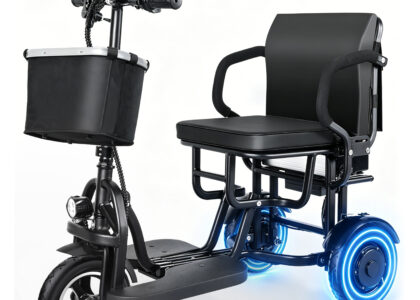
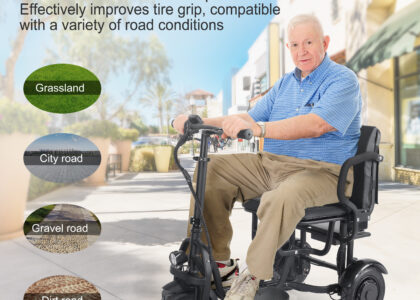
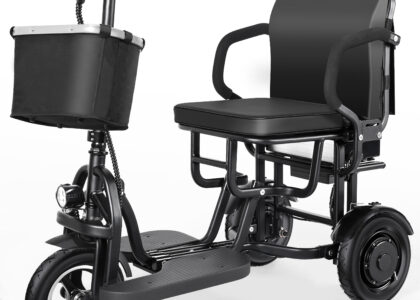
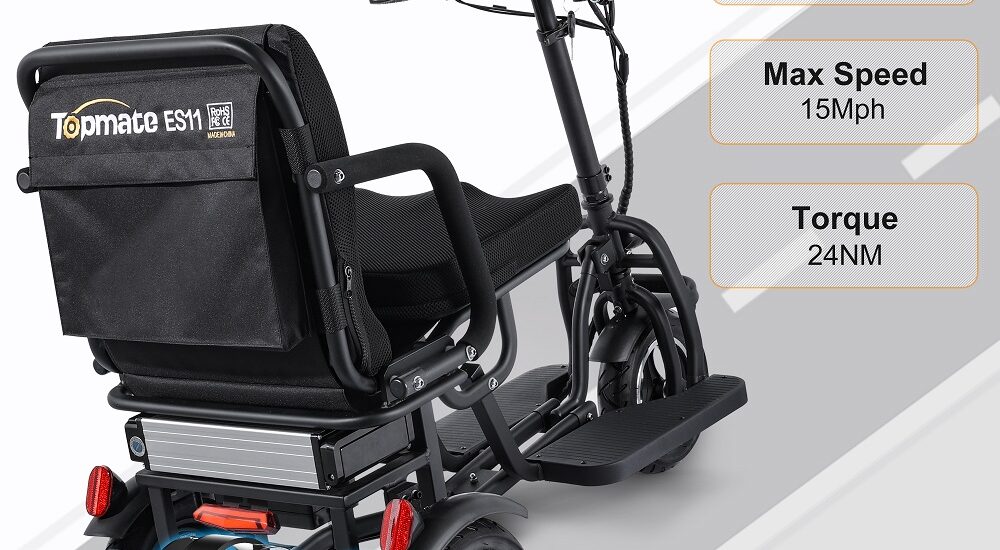
A mobility scooter is a battery-powered mobility device with handlebars or a tiller for steering. Most models are designed for people who can sit upright independently and have enough hand strength to steer.
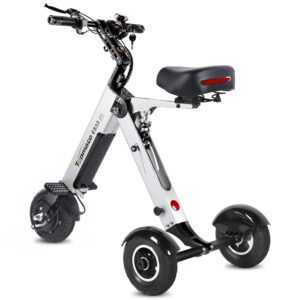
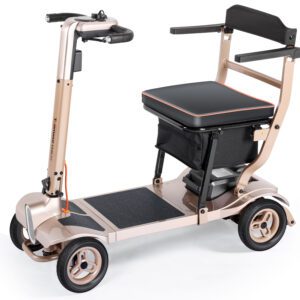
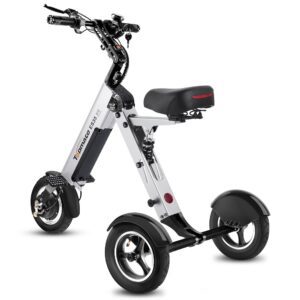
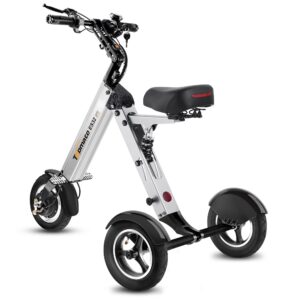
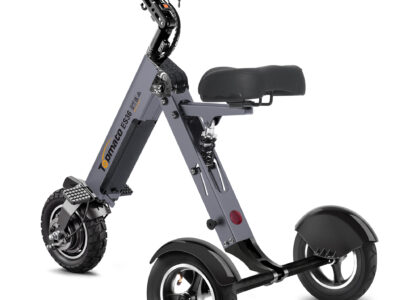
Many modern foldable mobility scooters also prioritize portability, making them popular with travelers and active seniors.
Advantages
- Comfortable for longer rides
- Higher travel speeds than most wheelchairs
- Excellent battery range
- Performs well outdoors
- Easy steering controls
- Greater independence for shopping, parks, and daily errands
- Many models fold for easier transportation
Limitations
- Larger turning radius indoors
- Requires balance while seated
- Not suitable for users who need full postural support
- Heavier than manual wheelchairs, although foldable models improve portability
Mobility scooters are often chosen by people who can still walk short distances but become fatigued over longer periods.
Comparison Table
| Feature | Manual Wheelchair | Electric Wheelchair | Mobility Scooter |
|---|---|---|---|
| User effort | High | Very low | Low |
| Battery required | No | Yes | Yes |
| Portability | Excellent | Moderate | Good (excellent for foldable models) |
| Indoor use | Excellent | Excellent | Good |
| Outdoor use | Fair | Good | Excellent |
| Turning radius | Very tight | Tight | Moderate |
| Comfort | Moderate | High | High |
| Typical speed | Walking pace | 4–6 mph | 4–8 mph (model dependent) |
| Travel friendliness | High | Moderate | High with foldable models |
| Weight capacity | Moderate | High | High |
| Independence | Moderate | Very high | Very high |
| Maintenance | Low | Moderate | Moderate |
| Best user | Temporary mobility needs | Users with severe mobility limitations | Active seniors and outdoor users |
Which Option Is Best for Different Situations?
Seniors
Many seniors can still walk short distances but experience fatigue during shopping trips or community outings. In these cases, a mobility scooter often provides the ideal balance between independence and comfort.
For seniors with very limited mobility or neurological conditions, an electric wheelchair may be more appropriate.
Travelers
Frequent travelers generally appreciate lightweight, foldable mobility scooters because they are easier to transport in vehicles and can simplify airport or vacation travel.
Manual wheelchairs also travel well due to their lightweight design, while electric wheelchairs can be more challenging because of their size and weight.
People with Arthritis
Arthritis can make pushing a manual wheelchair uncomfortable over time.
Electric wheelchairs and mobility scooters reduce physical strain significantly, allowing users to conserve energy throughout the day.
Long Shopping Trips
For shopping centers, grocery stores, museums, or large community events, mobility scooters provide:
- Comfortable seating
- Longer battery range
- Storage baskets
- Less physical fatigue
This makes them one of the most practical choices for extended outings.
Caregivers
Caregivers often consider both the user’s comfort and the ease of transportation.
A manual wheelchair remains the simplest option if caregiver assistance is always available. Manual Wheelchair vs Electric
However, powered mobility devices can reduce the amount of physical assistance required, allowing users to move more independently.
Daily Outdoor Use
If daily activities include parks, sidewalks, neighborhoods, or local errands, mobility scooters typically outperform wheelchairs due to:
- Better battery range
- Larger wheels
- Higher speeds
- More comfortable seating
Many models are specifically designed for everyday outdoor mobility.
Questions to Ask Before Buying
Choosing between a mobility scooter or wheelchair becomes easier when you answer a few practical questions.
Can you walk short distances?
If yes, a mobility scooter may offer the right balance between walking and assisted mobility.
If walking is extremely limited, an electric wheelchair may be a better long-term solution.
Will you travel often?
Frequent travelers should prioritize portability.
Manual wheelchairs are lightweight, while foldable mobility scooters can provide powered mobility without occupying as much storage space as larger powered chairs.
Do you need caregiver assistance?
If a caregiver will always be present, a manual wheelchair may be sufficient.
If independent movement is the goal, powered options usually provide greater freedom.
Where will you use it most?
Think about your daily routine.
- Mostly indoors: Electric wheelchair
- Mostly outdoors: Mobility scooter
- Occasional use with caregiver support: Manual wheelchair
Matching your device to your lifestyle usually leads to greater long-term satisfaction.
Why Many Travelers Prefer Foldable Mobility Scooters
Travel presents unique mobility challenges, from navigating airports to fitting equipment into a car trunk.
This is why foldable mobility scooters have become increasingly popular among travelers. They combine powered mobility with easier transportation, allowing users to remain active during vacations, family visits, sightseeing, and everyday errands.
Compared with larger powered wheelchairs, many foldable scooters occupy less storage space and can be easier to load into vehicles. For users who can safely operate handlebars and sit comfortably without extensive support, they often provide an excellent balance between convenience and independence.
The best choice still depends on individual mobility needs, but portability is an important consideration for anyone who travels frequently.
Final Verdict
There is no single mobility device that works best for everyone.
A manual wheelchair is ideal for temporary use, affordability, and users who have enough upper-body strength or caregiver support.
An electric wheelchair is the preferred choice for individuals with significant mobility limitations who require precise indoor maneuverability and minimal physical effort.
A mobility scooter is often the best option for active seniors, travelers, and people who can still walk short distances but need assistance covering longer distances comfortably. Foldable models add another level of convenience for users who frequently travel by car or enjoy staying active outside the home.
Instead of choosing the most advanced device, choose the one that matches your daily routine, physical abilities, and long-term mobility goals.
FAQ
Is a mobility scooter better than a manual wheelchair?
It depends on your mobility needs, but a mobility scooter offers greater independence for people who can sit and steer safely.
Who should choose an electric wheelchair instead of a mobility scooter?
An electric wheelchair is better for people with limited upper-body strength or those who need precise indoor maneuverability.
Can I travel with a foldable mobility scooter?
Yes, many foldable mobility scooters are designed for car travel and are suitable for airports, cruises, and vacations.
How do I choose the right mobility device?
Consider your physical abilities, daily activities, travel needs, and whether you’ll mainly use the device indoors or outdoors.