

Quick Answer
When comparing 3-wheel vs 4-wheel electric scooters, 3-wheel models are better for maneuverability and indoor use, while 4-wheel scooters offer superior stability and perform better outdoors. Therefore, your choice depends on whether you prioritize tight turning or enhanced balance and safety.
Introduction
Choosing between 3-wheel vs 4-wheel electric scooters can feel confusing, especially for seniors and first-time buyers. While both options serve the same purpose—improving mobility—they differ significantly in stability, turning ability, and terrain suitability. Moreover, selecting the wrong type can affect comfort and safety. Therefore, understanding these differences is essential before making a purchase decision.
What Are 3-Wheel Electric Scooters?
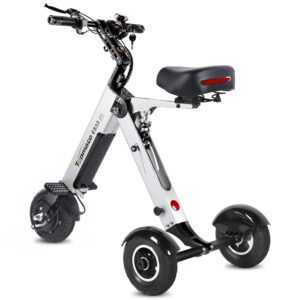
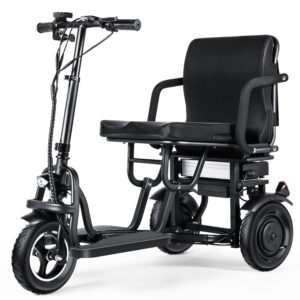
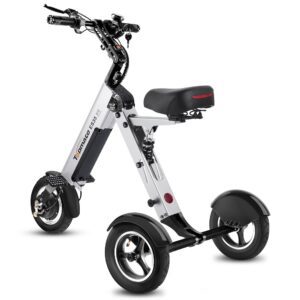
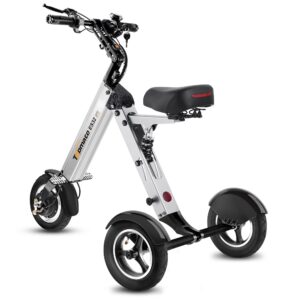
A 3-wheel electric scooter features one wheel in the front and two in the back. This design allows for a tighter turning radius and improved agility.
Key Features
- Tight turning radius for easy navigation
- Lightweight and portable design
- Increased legroom for comfort
Best Use Cases
- Indoor environments
- Shopping malls and supermarkets
- Narrow hallways and tight spaces
In addition, these scooters are ideal for users who need to move around compact areas. However, they may feel less stable on uneven surfaces.
What Are 4-Wheel Electric Scooters?
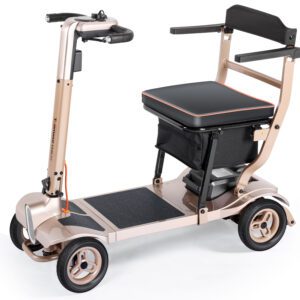
A 4-wheel electric scooter comes with two wheels in the front and two in the back, offering a more balanced and stable structure.
Key Features
- Enhanced stability and balance
- Better weight distribution
- Strong performance on uneven terrain
Best Use Cases
- Outdoor travel
- Rough or uneven surfaces
- Long-distance rides
On the other hand, these scooters are built for safety and durability. Therefore, they are often preferred by users who spend more time outdoors.
Key Differences: 3-Wheel vs 4-Wheel Electric Scooters
| Feature | 3-Wheel Scooters | 4-Wheel Scooters |
|---|---|---|
| Turning Radius | Very tight | Wider |
| Stability | Moderate | High |
| Portability | Lightweight and easy to carry | Heavier and bulkier |
| Comfort | More legroom | More balanced seating |
| Terrain Capability | Best for smooth surfaces | Handles rough terrain well |
| Speed | Moderate | Slightly higher |
| Weight Capacity | Lower | Higher |
| Price | Generally more affordable | Usually more expensive |
Pros and Cons of 3-Wheel Scooters
Pros
- Excellent maneuverability
- Lightweight and portable
- Ideal for indoor use
Cons
- Less stable outdoors
- Lower weight capacity
- Not suitable for rough terrain
Pros and Cons of 4-Wheel Scooters
Pros
- Superior stability and safety
- Better performance on outdoor terrain
- Higher weight capacity
Cons
- Larger turning radius
- Heavier and harder to transport
- Less convenient for tight indoor spaces
Which One Should You Choose?
When evaluating 3-wheel vs 4-wheel electric scooters, your lifestyle plays a key role.
- Seniors at home: 3-wheel scooters are easier to use indoors
- Frequent travelers: 3-wheel models are more portable
- Outdoor users: 4-wheel scooters provide better durability
- Heavier individuals: 4-wheel scooters offer stronger support
- Safety-focused users: 4-wheel scooters deliver greater stability
Ultimately, the best choice depends on where and how you plan to use the scooter.
Important Features to Consider
Before deciding between 3-wheel vs 4-wheel electric scooters, consider these factors:
- Turning radius: Important for indoor navigation
- Stability: Essential for safety, especially outdoors
- Battery life: Determines travel range
- Comfort: Includes seat design and legroom
- Storage: Useful for daily errands
- Ease of transport: Important for travel and portability
Common Mistakes to Avoid
Many buyers make avoidable mistakes when comparing 3-wheel vs 4-wheel electric scooters:
- Choosing based only on price
- Ignoring terrain requirements
- Overlooking stability needs
- Not testing maneuverability before buying
Therefore, it is important to evaluate your actual usage rather than just specifications.
Expert Tips
- Test both scooter types before making a decision
- Consider your future mobility needs, not just current ones
- Choose based on your environment rather than trends
- Prioritize safety over convenience
Moreover, consulting a mobility expert can help you make a more informed choice.
Conclusion
In the debate of 3-wheel vs 4-wheel electric scooters, there is no one-size-fits-all answer. While 3-wheel scooters excel in maneuverability and indoor use, 4-wheel scooters provide unmatched stability and outdoor performance. Therefore, your decision should be based on your daily environment, comfort needs, and safety priorities. Choosing wisely will ensure better mobility, independence, and peace of mind in 2026.
FAQ
Which is better: 3-wheel vs 4-wheel electric scooters?
The choice between 3-wheel vs 4-wheel electric scooters depends on usage. 3-wheel scooters are better for indoor use and tight spaces, while 4-wheel scooters provide more stability and are ideal for outdoor terrain.
Are 3-wheel electric scooters safe for seniors?
Yes, 3-wheel scooters are safe for seniors when used indoors or on smooth surfaces. However, they may feel less stable on uneven ground compared to 4-wheel scooters.
Can 4-wheel electric scooters be used indoors?
4-wheel scooters can be used indoors, but they may be harder to maneuver in tight spaces due to their wider turning radius.
What should I consider when choosing between 3-wheel vs 4-wheel electric scooters?
You should consider factors like stability, turning radius, terrain, portability, and your daily usage environment before making a decision.


-scaled-2-420x300.jpg)