Quick Answer
The best mobility scooter for travel and errands is usually not the biggest or lightest model. It is the one that fits your daily routine while remaining practical to transport when you travel. For most seniors, the right balance involves manageable weight, easy folding, comfortable seating, useful range, stable handling, and enough storage for everyday needs.
Key Takeaways
- Choose based on how you will use the scooter most often, not just where you plan to travel.
- A scooter that is easy to transport but uncomfortable for everyday errands may become frustrating.
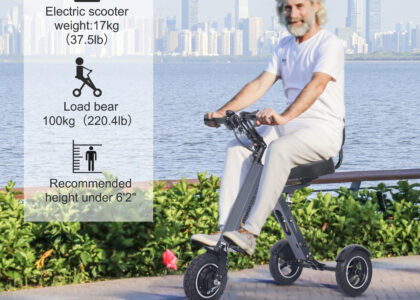
- Check whether you or your caregiver can realistically lift, fold, unfold, and load it.
- Consider both car storage and home storage before buying.
- Short errands and long sightseeing days create very different range and comfort requirements.
- Indoor maneuverability matters for stores, appointments, apartments, and community spaces.
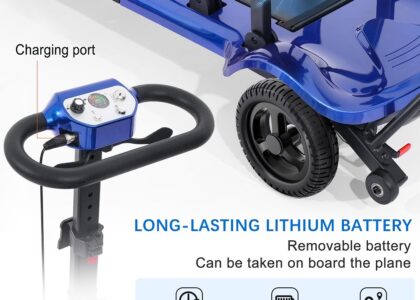
- Battery removal and charging can become especially important when traveling.
- Look for real-world folding, loading, and storage demonstrations—not just specification sheets.
Why One Scooter Changes the Buying Decision
Buying one scooter for grocery shopping, appointments, family outings, road trips, and vacations requires a different approach from choosing a scooter for a single purpose.
A dedicated travel scooter can prioritize low weight and compact folding. An everyday scooter, meanwhile, may put more emphasis on comfort, stability, range, and ease of use.
When one scooter has to do both jobs, you are looking for a balance rather than a single winning specification.
For example, a very lightweight scooter may be easy to put into a small car but less comfortable during a long afternoon away from home. A larger scooter may provide a more substantial ride but become difficult to transport.
The best choice depends on which compromises you are actually willing to make.
What Matters Most in a Multi-Purpose Scooter?
1. Portability
Ask yourself how often the scooter will be transported.
If you only load it into a vehicle a few times a year, you may tolerate a little more weight for better everyday comfort. If you travel every month, frequent folding and loading become much more important.
Consider:
- Folding mechanism
- Folded dimensions
- Overall weight
- Whether the battery can be removed
- How easily one person can load it
- Whether a caregiver will normally handle transportation
Do not judge portability from the folded dimensions alone. A scooter can look compact on paper and still be awkward to lift.
2. Everyday Comfort
Your everyday scooter will probably be used more often for errands than vacations.
That makes seat comfort, riding position, controls, turning behavior, and general usability important. A scooter that feels fine for a 15-minute trip may not feel equally suitable after several hours of shopping and appointments.
If you expect frequent longer outings, comfort deserves almost as much attention as portability.
3. Storage
Think about two different storage problems.
Home storage: Where will the scooter stay between trips?
Vehicle storage: Where will it go when you travel?
A folding scooter may fit into a closet, apartment corner, SUV cargo area, sedan trunk, or other compact space more easily than a full-size model.
Measure the actual available space before buying. Remember that you need room to remove or position the scooter, not merely enough space for it to technically fit.
4. Range and Charging
Short errands might only require a modest amount of battery capacity. A vacation sightseeing day is different.
You could travel from a hotel to a tourist attraction, move around a large venue, stop for lunch, and continue sightseeing before returning.
That means you should consider your longest realistic day, not simply your average trip.
Also ask:
- Can the battery be removed?
- Where will you charge it?
- Will charging be convenient at hotels or family homes?
- Will the scooter sit unused for several days between trips?
- Do you need to carry the charger during longer outings?
Always follow the manufacturer’s charging instructions and check airline or transportation rules when flying.
Decision Guide: What Should You Prioritize?
| Your typical use | Prioritize first | Look for |
|---|---|---|
| Daily errands + occasional travel | Balance | Comfort, portability, useful range |
| Frequent car travel | Portability | Folding, manageable weight, compact storage |
| Small apartment + errands | Storage | Compact folded size, indoor maneuverability |
| Long shopping days | Comfort | Comfortable seating, practical range |
| Family outings | Versatility | Stability, range, storage |
| Road trips | Transportability | Easy loading, folding, battery convenience |
| Vacation sightseeing | Travel convenience | Portability, stability, range |
| Public transportation | Compactness | Easy folding and manageable weight |
Four Real-Life Scenarios
1. Grocery Shopping and Everyday Errands
Imagine using the scooter several times a week for groceries, pharmacy visits, medical appointments, and small shopping trips.
Here, convenience matters more than extreme travel portability.
You need a scooter that is easy to use repeatedly, turns comfortably in stores, and does not become a chore to get out of the house.
If every trip requires significant lifting or complicated preparation, you may eventually use the scooter less often.
For frequent errands, everyday usability should be the foundation of your decision.
2. A Family Day Out
A family outing might involve a restaurant, shopping center, park, museum, or another public venue.
The challenge is that the day can be longer than expected.
You may need to move between parking areas, entrances, seating areas, restrooms, and different attractions. Comfort and battery capacity therefore become more important than they were during a quick grocery run.
A good multi-purpose scooter should allow you to participate in the entire day rather than forcing the group to shorten the outing because of fatigue or transportation limitations.
3. A Weekend Road Trip
Road trips put portability under pressure.
You may need to fold the scooter several times, load it into the vehicle, remove it for stops, and load it again.
This is where realistic lifting ability matters.
Before choosing a scooter, physically consider who will perform those steps. If a family member or caregiver will help, their height, strength, and available trunk space matter too.
A scooter that is technically portable but difficult for the person responsible for loading it may not be a practical travel solution.
4. A Vacation or Sightseeing Day
Vacation use adds another challenge: unfamiliar environments.
You may encounter hotels, elevators, sidewalks, attractions, restaurants, parking areas, and long distances between points of interest.
Four-wheel stability may become particularly attractive for seniors who prioritize a more stable platform during sightseeing.
Travel convenience also matters because the scooter may need to be folded for vehicle transfers or stored in a hotel room.
This is where a travel-oriented model can make sense—provided it still meets your everyday requirements.
Where TopMate Models May Fit
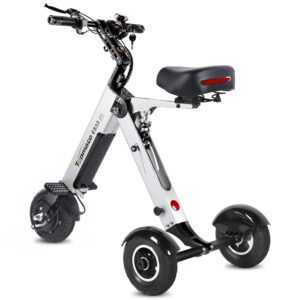
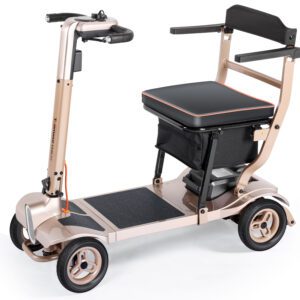
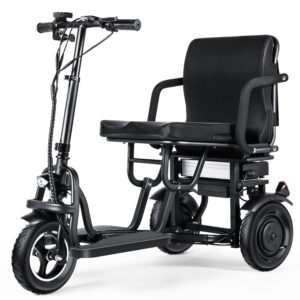
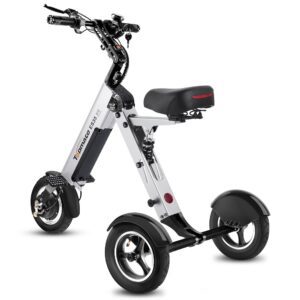
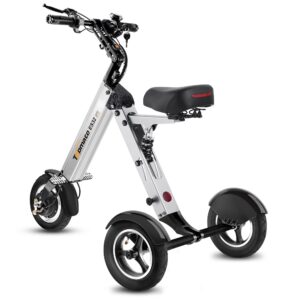
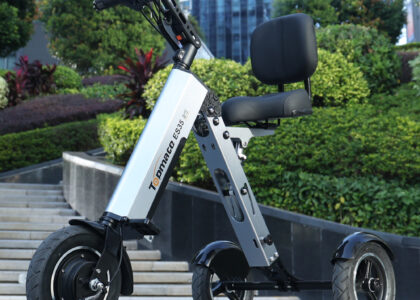
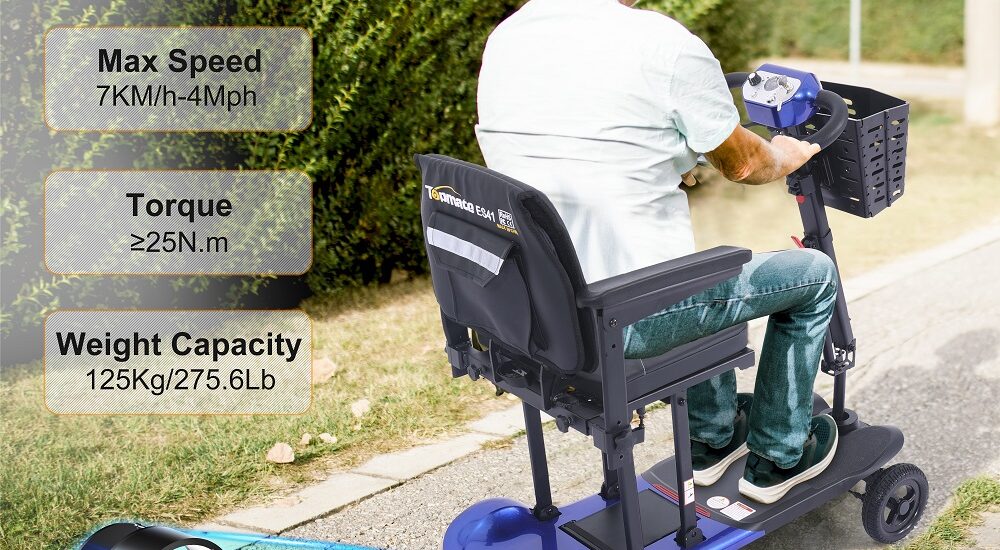
The TopMate mobility scooter range includes several folding models that can fit different parts of this multi-purpose decision.
The ES15 makes the most sense for someone who puts portability near the top of the list. Its positioning is particularly relevant for compact travel, public transportation, and small-car situations. If frequent transport is your main concern, this type of design deserves consideration.
The ES35 is better suited to someone who expects the scooter to function primarily as an everyday mobility solution while still being portable enough for longer outings and travel. It can make sense when comfort and daily usability need to remain important alongside transportability.
The ES36 fits a practical everyday folding role, particularly for indoor environments, communities, and users who want a scooter that can be stored more easily than a larger traditional design.
The ES40 is more naturally aligned with travel and sightseeing. Its four-wheel configuration and travel-oriented positioning may appeal to someone who expects vacation days, sightseeing, and other travel activities to be a significant part of their use.
The key is not choosing the “best” model from the four. It is choosing the model whose compromises match your routine.
How I’d Decide
I would start with how often the scooter will be used at home, not how often I travel.
If I use it several times a week for errands, appointments, shopping, and local outings, everyday comfort and ease of use would be my first priorities.
Then I would ask:
Can I or my caregiver comfortably transport it?
If the answer is no, I would move toward a more portable option.
Next, I would consider the longest typical outing. If most trips are under an hour, I would not choose solely around extreme range. If family days and sightseeing regularly last several hours, range and comfort move higher on the list.
Finally, I would measure my actual car and home storage spaces.
That process is more useful than simply asking which scooter has the most features.
Use Real-World Evidence Before Buying
Specifications tell you what a scooter is designed to do. Real-world demonstrations can show you what using it actually feels like.
Look for authentic:
- YouTube folding and loading demonstrations
- Customer photos
- User-generated content
- Reviews showing trunk or SUV loading
- Videos showing folding and unfolding
- Customer experiences involving grocery stores, travel, or vacations
Pay particular attention to how easily the scooter is handled by one person. A demonstration that shows only the finished folded scooter does not tell you how difficult the folding process may be.
Common Mistakes to Avoid
Choosing the lightest scooter automatically
Light weight is useful, but not if it sacrifices the comfort or stability you need every day.
Planning only for the average trip
Your longest regular outing may be more important than your average one.
Ignoring the caregiver’s workload
If someone else loads the scooter, their ability to lift and maneuver it should be part of the buying decision.
Measuring only the trunk
Check home storage too. A scooter that fits the vehicle but has nowhere convenient to live may become inconvenient.
Assuming travel means flying
Travel can mean a road trip, family visit, shopping trip, cruise, hotel stay, or sightseeing day. Consider the types of travel you actually expect to do.
Final Decision
For seniors who want one mobility scooter for travel and errands, the goal is not maximum portability, maximum range, or maximum comfort in isolation.
The goal is a scooter that fits the entire pattern of life.
For frequent errands, prioritize everyday usability. For frequent transportation, prioritize folding and manageable weight. For long outings, pay closer attention to comfort and range. For vacations and sightseeing, consider stability, storage, and travel convenience.
The right multi-purpose scooter is the one whose compromises you can live with every week—not just the one that looks best on a specification sheet.
FAQ
Can one mobility scooter really be used for both errands and travel?
Yes. A folding mobility scooter can serve both purposes when its portability, comfort, range, storage, and stability match the user’s routine. The important point is to choose a balanced design rather than optimizing for travel or everyday use alone.
What is more important for a travel-and-errand scooter: weight or comfort?
Neither is automatically more important. If you frequently load the scooter into a car, manageable weight becomes critical. If you use it for long shopping trips and outings, comfort may matter more. Consider which task you will perform most often.
Should I choose a four-wheel scooter for travel and everyday use?
A four-wheel design can be attractive for users who prioritize stability, particularly during outdoor outings and sightseeing. However, the right configuration depends on where you ride, how tightly you need to maneuver, and how easily you need to transport the scooter.
How do I know if one scooter is enough for my needs?
List your five most common uses and your two longest trips. Then compare those requirements for portability, comfort, range, storage, and maneuverability. If one scooter meets most of those needs without creating an impractical transportation problem, you may not need separate everyday and travel scooters.