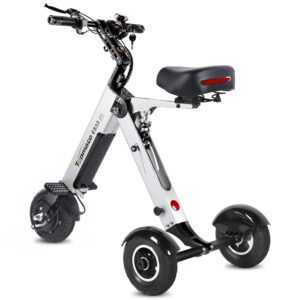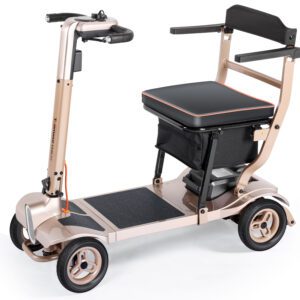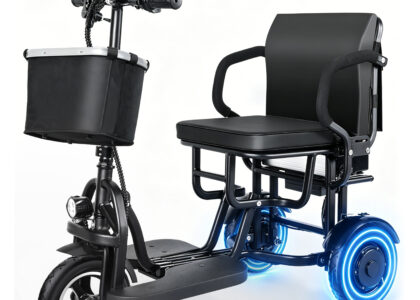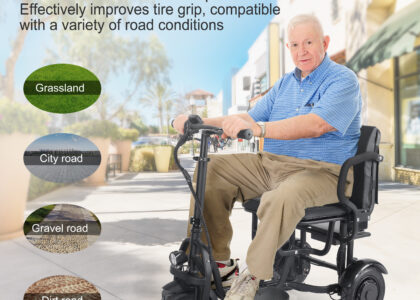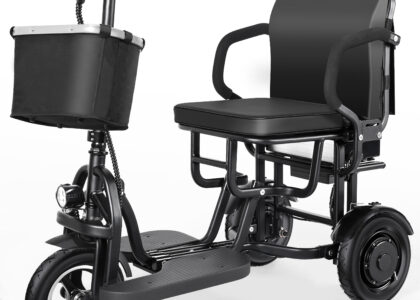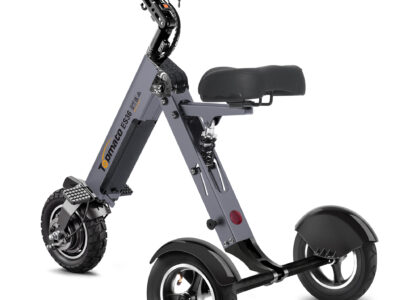
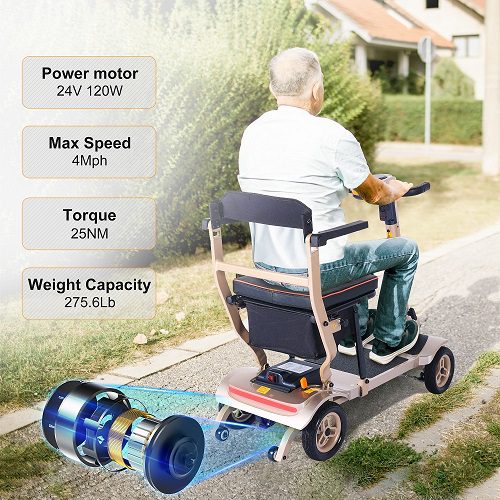
Yes, a mobility scooter can be used on grass, but performance depends on the condition of the surface and the scooter’s design. Firm, dry, level grass is generally easier to cross than wet, muddy, soft, or uneven ground. Riders should reduce speed, avoid sudden turns, and follow the manufacturer’s guidance for off-pavement use.
Is Grass a Suitable Surface for a Mobility Scooter?
Grass can be manageable when it is short, firm, dry, and relatively level. For example, crossing a maintained lawn to reach a garden, outdoor seating area, or paved walkway may be reasonable for many mobility scooter users.
However, grass does not provide the same predictable surface as concrete or asphalt. The tires can experience more rolling resistance, while loose soil underneath the grass may reduce traction.
Therefore, the question is not simply whether a scooter can travel on grass. The more important consideration is what type of grass and ground conditions you will encounter.
How Does Grass Affect Scooter Performance?
Riding across grass can require more effort from the scooter than traveling on a smooth paved surface. Depending on the conditions, users may notice changes in:
- Traction: Damp or loose grass can make the tires slip more easily.
- Battery use: Increased rolling resistance can require more energy.
- Speed: The scooter may move more slowly across challenging surfaces.
- Steering: Uneven ground can make the scooter feel less predictable.
- Stability: Slopes, ruts, holes, and hidden obstacles can increase the risk of tipping or losing control.
Because of these factors, a mobility scooter should not automatically be treated as an off-road vehicle simply because it can cross a lawn.
Which Grass Conditions Should You Avoid?
Wet grass deserves particular attention. Rain can make the surface slippery, while saturated soil underneath can cause the tires to sink.
Users should be especially cautious around:
- Muddy lawns
- Deep or soft grass
- Steep slopes
- Uneven ground
- Large holes or exposed roots
- Areas with standing water
- Loose soil beneath the grass
If the wheels begin losing traction or sinking into the surface, stop rather than attempting to force the scooter forward.
What Scooter Features Matter on Lawn Surfaces?
Several design characteristics can influence how comfortably a mobility scooter handles grass. Tire design, wheel size, ground clearance, motor capability, overall stability, and weight distribution can all affect performance.
However, these features should be considered alongside the manufacturer’s stated operating conditions. A scooter designed primarily for paved paths should not be assumed to be suitable for frequent off-road riding.
For occasional lawn crossings, the most important goal is controlled and predictable movement rather than maximum speed.
How Can Seniors Ride Safely Across Grass?
Start at a low speed and approach the grassy area straight on when possible. Avoid sharp turns, sudden acceleration, and abrupt braking.
Before riding across a lawn, visually check for holes, rocks, branches, sprinklers, curbs, and other hidden obstacles. If the grass is wet after rain, consider using a paved route instead.
Caregivers can also help by checking unfamiliar outdoor areas before a senior rides through them.
When Is It Better to Stay on Pavement?
If grass is muddy, deeply uneven, steep, flooded, or visibly soft, choosing a paved alternative is usually the safer option. The same applies when the scooter manufacturer does not recommend riding on that type of surface.
A mobility scooter is primarily a mobility aid, so maintaining control is more important than reaching a destination by the shortest possible route.
Practical Takeaway
A mobility scooter can be used on grass when the surface is firm, dry, and reasonably level, but conditions matter. Short lawn crossings may be manageable, while wet, muddy, soft, steep, or uneven grass can create traction and stability problems. Ride slowly, inspect the route, avoid sudden movements, and always follow the scooter manufacturer’s operating guidance.