
Quick Answer
Yes, many public buses and trains can accommodate mobility scooters, but acceptance depends on factors such as the scooter’s size, weight, turning ability, battery type, and the transport operator’s accessibility policies. Before traveling, check the specific bus or train service’s guidelines, confirm accessibility features, and ensure your scooter meets any published requirements.
Can You Take a Mobility Scooter on Public Transportation?
A mobility scooter can make independent travel easier, and many modern public transportation systems are designed with accessibility in mind. Low-floor buses, ramps, elevators, and designated mobility spaces have improved access for people who use mobility devices.
However, not every bus or train can accommodate every mobility scooter. Vehicle layouts, available space, and accessibility equipment vary between cities, transit agencies, and even individual routes.
For this reason, there is no universal answer to whether every mobility scooter is allowed on public transportation. Instead, transport providers often evaluate scooters based on practical considerations such as dimensions, maneuverability, and available onboard space.
What Determines Whether a Mobility Scooter Is Allowed?
Transport providers commonly evaluate several factors before determining whether a mobility scooter can be safely accommodated.
Scooter Dimensions
Length and width are among the most important considerations. Larger scooters may not fit within designated mobility spaces or navigate narrow aisles.
Total Weight
The combined weight of the scooter and rider may affect whether ramps or lifts can safely accommodate the device.
Turning Radius
Some buses and trains require scooters to make relatively tight turns when boarding or positioning within designated areas.
Boarding Method
Accessibility features vary. Depending on the vehicle, boarding may involve:
- Low-floor entry
- Fold-out ramps
- Hydraulic lifts
- Level boarding platforms
The available boarding method influences which scooters are practical to use.
Designated Mobility Spaces
Many accessible vehicles provide dedicated areas for wheelchairs or mobility devices. These spaces may be limited, particularly during busy travel periods.
Battery Type
Some transport operators publish guidance regarding battery types for safety reasons. Reviewing operator policies before your trip helps avoid confusion.
Accessibility Features
Features such as elevators, ramps, tactile paving, accessible ticket gates, and level platforms can significantly improve the travel experience for mobility scooter users.
Tips for Traveling on Buses and Trains With a Mobility Scooter
Preparation can make public transportation easier and less stressful. Consider these practical mobility scooter travel tips before leaving home.
- Contact the transport provider before your trip if you have questions about accessibility.
- Travel during less crowded hours whenever possible.
- Arrive early to allow extra boarding time.
- Fully charge your scooter’s battery before departure.
- Secure bags and personal belongings.
- Follow instructions provided by transit staff.
- Stay within designated mobility spaces after boarding.
- Keep emergency contact information with you.
- Carry any charger or accessories you may need later in the day.
- Check weather conditions if outdoor boarding is required.
These simple steps help reduce delays while making your journey safer and more comfortable.
Foldable vs Traditional Mobility Scooters for Public Transportation
Choosing the right scooter can make a noticeable difference when using buses and trains regularly.
| Feature | Foldable Mobility Scooter | Traditional Mobility Scooter |
|---|---|---|
| Portability | Compact and easy to transport | Larger and less portable |
| Storage | Fits more easily in vehicles and storage spaces | Requires more storage space |
| Weight | Generally lighter | Often heavier |
| Boarding Convenience | Easier to maneuver through entrances | May require more turning space |
| Ease of Lifting | Easier for caregivers when folded (where lifting is appropriate) | More difficult due to size and weight |
| Travel Flexibility | Well suited for multi-modal travel | Better suited for local daily use |
Your ideal choice depends on how frequently you use public transportation and your personal mobility needs.
Why Foldable Mobility Scooters Like TopMate Are Convenient for Public Transport
People who travel regularly often appreciate the convenience of a foldable mobility scooter.
Compared with larger traditional models, lightweight foldable scooters are generally easier to:
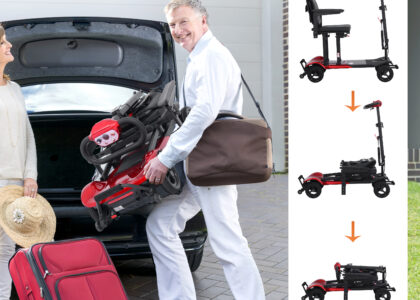
- Carry into taxis when folded
- Store in personal vehicles
- Maneuver through stations
- Navigate crowded sidewalks before boarding
- Store at home after travel
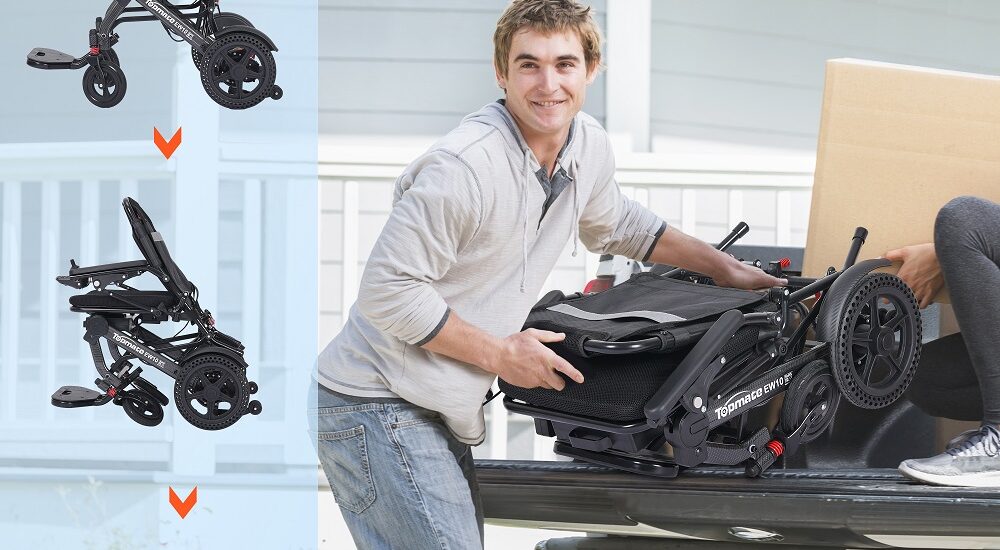
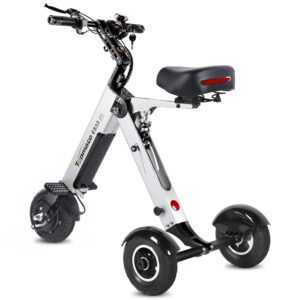
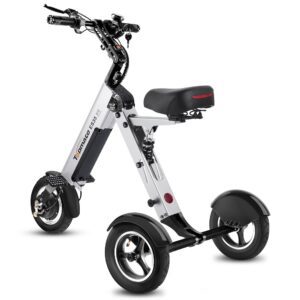
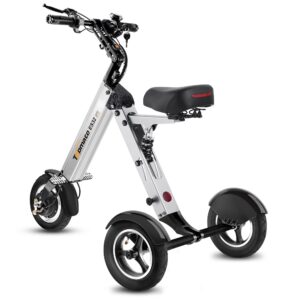
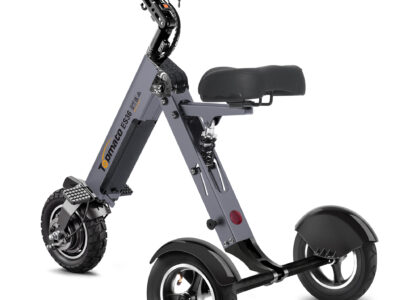
Manufacturers such as TopMate design lightweight foldable mobility scooters that prioritize portability, making them a practical option for people who frequently combine walking, driving, buses, or trains during everyday travel.
Common Challenges When Using Public Transportation
Even accessible transportation can present occasional challenges. Preparing in advance helps reduce inconvenience.
Limited Accessibility Spaces
Some buses and train cars have only a small number of designated mobility areas. During busy periods, these spaces may already be occupied.
Peak-Hour Crowding
Rush-hour travel can make boarding and maneuvering more difficult. Traveling outside peak times often provides a more comfortable experience.
Platform Gaps
Some train platforms have small gaps or height differences between the platform and train. Move carefully and follow staff guidance where available.
Elevators Being Unavailable
Maintenance or unexpected outages may temporarily affect station elevators. Checking service updates before traveling can help you identify alternative accessible routes.
Steep Boarding Ramps
Ramp angles may vary depending on the vehicle and boarding location. Approach ramps slowly and maintain control throughout boarding.
Weather Conditions
Rain, snow, or ice can create slippery surfaces around stations and bus stops. Extra caution is important during poor weather.
Common Mistakes to Avoid
Avoiding common mistakes helps make every trip safer and less stressful.
- Assuming every bus or train accepts every mobility scooter.
- Traveling with a low battery.
- Ignoring published size or weight limitations.
- Blocking aisles or emergency exits.
- Forgetting to secure loose personal belongings.
- Skipping accessibility research before departure.
- Rushing while boarding or exiting.
- Forgetting to bring essential accessories such as charging equipment for longer trips.
Planning ahead often prevents unnecessary travel disruptions.
Conclusion
Public buses and trains can provide an accessible and convenient way to travel with a mobility scooter, but preparation is essential. Understanding transport provider policies, checking accessibility features, and ensuring your scooter meets any published requirements can help make your journey smoother.
Travelers who frequently combine public transportation with everyday errands or longer trips may find that lightweight foldable mobility scooters offer additional convenience. Portable models, including those from TopMate, are easier to transport, store, and maneuver, making them a practical choice for people seeking greater flexibility without sacrificing independence.
FAQ
Can all buses carry mobility scooters?
No. Whether a mobility scooter is allowed depends on the bus operator’s accessibility policies, available space, and your scooter’s size and weight. Always check before you travel.
Are mobility scooters allowed on trains?
Many train services accommodate mobility scooters, but acceptance varies by operator and station accessibility. Confirm the requirements and available mobility spaces before your journey.
Can I fold my mobility scooter before boarding?
Yes, if your scooter is designed to fold. A foldable mobility scooter is often easier to carry, store, and transport on buses, trains, and other forms of public transportation.
What size mobility scooter is best for public transport?
Compact, lightweight mobility scooters are generally the most convenient for public transport. Smaller models are easier to maneuver through stations and fit within designated mobility spaces.

-scaled-2-420x300.jpg)