
Quick Answer
Most mobility scooter problems can be prevented or resolved with regular maintenance and basic troubleshooting. Common issues include a battery that won’t charge, reduced driving range, flat tires, slow performance, brake problems, unusual noises, and folding mechanism issues. Before assuming a major repair is needed, check the battery, tires, controls, and charger. For foldable mobility scooters like the TopMate ES15 and TopMate ES35, proper battery care, regular cleaning, and correct storage can help keep the scooter operating reliably.
Why Mobility Scooters Develop Problems
Like any electric vehicle, mobility scooters experience normal wear over time. Frequent use, improper charging, rough terrain, and poor maintenance can all affect performance.
The good news is that many common issues are simple to identify and often easy to address before they become costly repairs. Common Mobility Scooter Problems
Knowing how to troubleshoot your scooter can help you stay mobile and reduce unnecessary downtime.
Common Mobility Scooter Problems at a Glance
| Problem | Possible Cause | Basic Solution |
|---|---|---|
| Battery won’t charge | Loose connection or battery issue | Check charger and battery connections |
| Reduced driving range | Low battery health | Recharge and inspect battery |
| Scooter won’t start | Battery or key switch | Verify power and battery charge |
| Slow speed | Low battery or riding mode | Fully charge battery and check settings |
| Flat or worn tires | Normal wear | Inspect and replace if needed |
| Brake problems | Wear or adjustment | Inspect brakes before riding |
| Folding difficulty | Dirt or obstruction | Clean and inspect folding mechanism |
| Unusual noises | Loose components | Inspect and tighten hardware |
1. Battery Won’t Charge
The battery is the heart of your mobility scooter. If it won’t charge, the scooter won’t operate.
Possible causes:
- Loose charger connection
- Faulty power outlet
- Battery nearing the end of its service life
- Damaged charging cable
What you can do:
- Ensure the charger is securely connected.
- Check that the wall outlet is working.
- Inspect the charging cable for damage.
- Follow the manufacturer’s charging instructions.
If the battery still won’t charge after these checks, professional inspection may be required.
2. Reduced Battery Range
Over time, you may notice the scooter doesn’t travel as far on a full charge.
Common reasons:
- Aging battery
- Frequent heavy loads
- Hilly terrain
- Low tire pressure
- Cold weather
Tips to improve range:
- Charge after every ride.
- Keep tires properly maintained.
- Avoid unnecessary cargo.
- Store the battery indoors during extreme temperatures.
Proper battery care can significantly improve everyday performance.
3. Mobility Scooter Won’t Start
A scooter that won’t turn on can be frustrating, but the cause is often simple.
Check the following:
- Battery charge
- Power switch
- Key position
- Battery connections
- Circuit breaker (if applicable)
Always follow the troubleshooting steps in your owner’s manual before assuming a major repair is needed.
4. Scooter Feels Slow
If your scooter feels slower than usual, the battery may not be the only cause.
Possible reasons include:
- Low battery charge
- Tire condition
- Excessive rider weight
- Rough terrain
- Incorrect speed settings
A fully charged battery and properly maintained tires usually improve performance.
5. Tire Problems
Tires naturally wear over time.
Inspect regularly for:
- Cracks
- Uneven wear
- Embedded debris
- Low air pressure (if pneumatic)
- Damage after impacts
Healthy tires improve ride quality, battery efficiency, and overall safety.
6. Brake Problems
Reliable brakes are essential.
Signs of brake issues include:
- Longer stopping distance
- Unusual sounds
- Reduced responsiveness
- Difficulty holding position when parked
If braking performance changes, stop using the scooter until it has been inspected.
7. Folding Mechanism Is Difficult to Use
Owners of foldable scooters occasionally notice the folding mechanism becomes harder to operate.
This can result from:
- Dirt buildup
- Debris around hinges
- Improper folding technique
- Lack of routine inspection
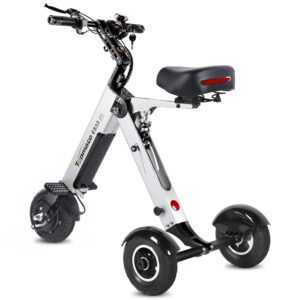
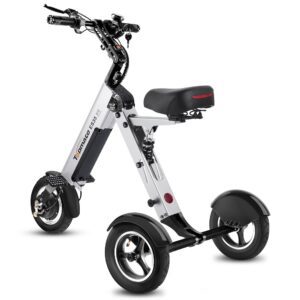
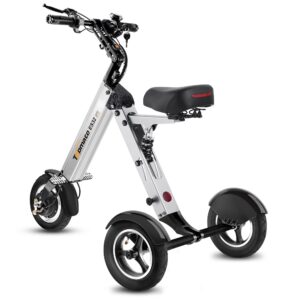
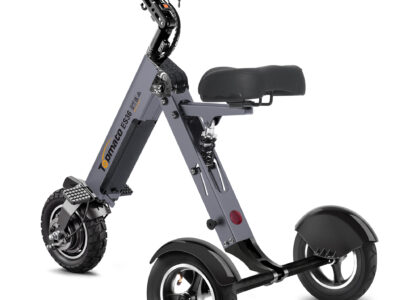
For foldable models like the TopMate ES15 and TopMate ES35, keep the folding joints clean and always follow the manufacturer’s folding instructions.
Never force the mechanism.
8. Strange Noises While Riding
Unusual sounds may indicate:
- Loose hardware
- Wheel debris
- Normal wear
- Components requiring inspection
Check:
- Bolts
- Seat mounting
- Wheels
- Folding joints
- Accessories
If the noise continues, discontinue use until the scooter has been examined.
9. Lights or Display Not Working
If the display or lights stop working:
- Verify battery charge.
- Inspect visible wiring.
- Restart the scooter.
- Check for loose connections.
Electrical issues should be handled according to the manufacturer’s recommendations.
10. Scooter Gets Wet
Although many mobility scooters can tolerate light moisture, prolonged exposure to water should be avoided.
If the scooter becomes wet:
- Turn it off.
- Dry it thoroughly.
- Wipe electrical areas carefully.
- Allow it to dry completely before charging.
Indoor storage helps protect against moisture-related issues.
Preventive Maintenance Tips
The best way to avoid problems is regular maintenance.
Good habits include:
- Cleaning after outdoor rides
- Charging after every use
- Inspecting tires weekly
- Keeping the battery clean
- Tightening loose hardware
- Storing indoors
- Following the manufacturer’s maintenance schedule
Preventive care helps extend your scooter’s lifespan.
Why Foldable Mobility Scooters Are Easier to Maintain
Foldable scooters like the TopMate ES15 and TopMate ES35 simplify routine maintenance.
Their removable lithium batteries make charging convenient, while their compact design allows owners to store the scooter indoors, reducing exposure to dust, rain, and extreme temperatures.
Regular inspection of the folding mechanism also helps maintain smooth operation.
Common Mistakes to Avoid
Avoid these mistakes:
- Ignoring battery warning indicators
- Using the wrong charger
- Overloading the scooter
- Storing the scooter outdoors
- Forgetting routine inspections
- Driving with worn tires
- Forcing the folding mechanism
- Skipping battery maintenance
Small maintenance habits can prevent larger problems later.
Expert Recommendations
Mobility equipment specialists recommend:
- Charging after every ride
- Keeping the scooter clean
- Inspecting tires regularly
- Testing brakes before use
- Following scheduled maintenance
- Storing indoors whenever possible
Routine care improves both safety and long-term reliability.
Troubleshooting Checklist
Before contacting a service technician, check:
- Battery fully charged
- Charger connected correctly
- Tires in good condition
- Controls operating normally
- Folding mechanism secure
- No loose hardware
- Brakes functioning properly
- Scooter clean and dry
Many common problems can be identified with this simple inspection.
Conclusion
Most mobility scooter problems can be prevented through regular cleaning, proper battery care, and routine inspections. Simple habits such as checking tire condition, charging correctly, storing the scooter indoors, and inspecting the folding mechanism can greatly improve reliability and reduce the likelihood of unexpected breakdowns. Common Mobility Scooter Problems
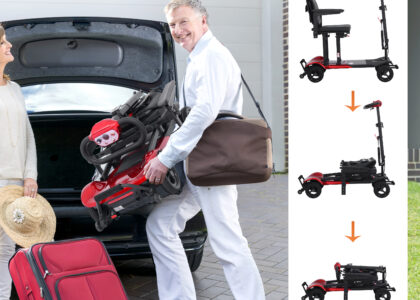
Foldable mobility scooters like the TopMate ES15 and TopMate ES35 make maintenance even easier thanks to their removable batteries, compact storage, and travel-friendly designs. By recognizing common issues early and following basic maintenance practices, you can keep your mobility scooter operating safely and efficiently for years to come.
FAQ
Why won't my mobility scooter start?
A discharged battery, loose battery connections, or a power switch issue are common reasons. Check these before seeking professional service.
Why is my mobility scooter losing battery range?
Battery range can decrease due to battery aging, low tire pressure, heavy loads, or uneven terrain. Proper charging and maintenance help improve performance.
What should I do if my mobility scooter gets wet?
Turn it off, dry it completely, and allow it to air dry before charging or using it again.

-scaled-2-420x300.jpg)