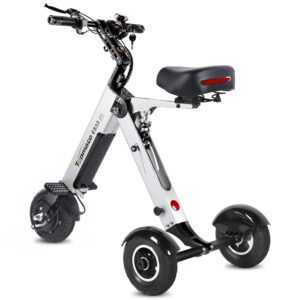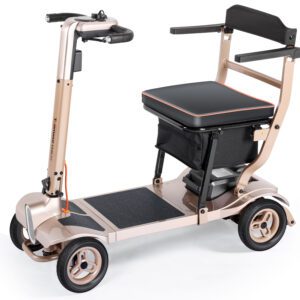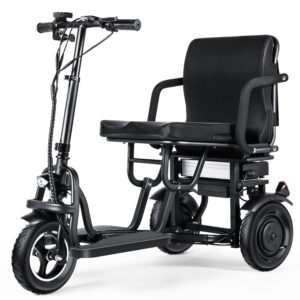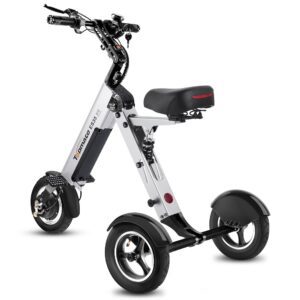
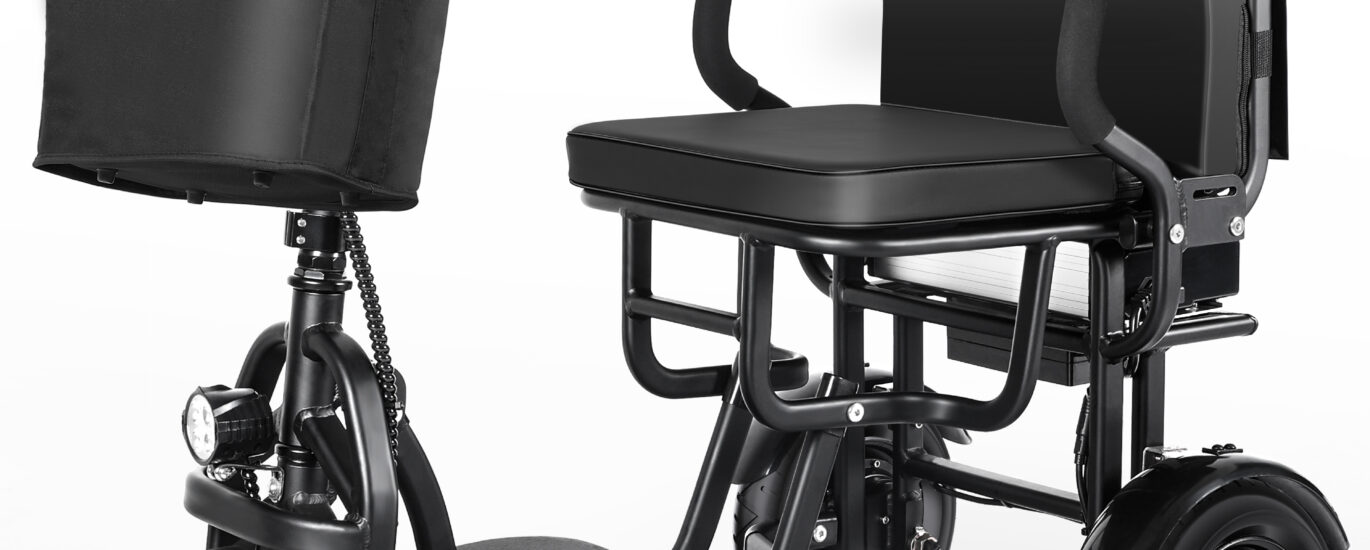
Direct answer: A mobility scooter used around public roads should have reliable brakes and steering, suitable tires, effective front and rear visibility, a horn, adequate battery charge, and a speed appropriate for the surroundings. Ground clearance, turning radius, rider visibility, weather, and road conditions also affect safety. Local road-use rules vary by jurisdiction.
What Makes a Mobility Scooter Road-Safe?
A mobility scooter does not become suitable for road use simply because it can reach a certain speed. Real-world safety depends on how well the scooter and rider can respond to traffic, surfaces, obstacles, and changing conditions. mobility scooter public road
The first question is where the scooter is legally allowed to travel. Some jurisdictions distinguish between sidewalks, cycle paths, crossings, parking areas, and roads, while others set specific requirements for lighting, speed, dimensions, or equipment. Always check the rules that apply where you live before using a mobility scooter on or beside a public road.
From a practical perspective, these are the main factors to examine.
| Safety factor | What to look for | Why it matters |
|---|---|---|
| Maximum speed | A controllable speed appropriate to the environment | Gives the rider more reaction time |
| Braking | Smooth, predictable stopping without pulling sharply | Helps avoid collisions and obstacles |
| Headlights | A clearly visible front light when required or riding in low light | Helps the rider see and be seen |
| Rear visibility | Rear lights, reflectors, or other visibility features | Makes the scooter easier for others to notice |
| Turn signals | Functional indicators where fitted | Communicates changes in direction |
| Horn | Audible warning device | Alerts nearby road users |
| Tires | Adequate tread and correct inflation | Improves traction and handling |
| Ground clearance | Enough clearance for the surfaces being crossed | Reduces the risk of catching the underside |
| Turning radius | Check the manufacturer’s specification | Determines how easily the scooter can change direction |
| Battery | Enough charge for the complete trip plus a reserve | Prevents loss of power away from home |
Maximum Speed
More speed is not automatically safer.
A scooter traveling at 4 mph (6.4 km/h) has more time to react than one traveling at 8 mph (12.9 km/h). Stopping distance also increases as speed rises, and the actual distance required depends on the scooter, brakes, rider, slope, surface, and reaction time.
Use a speed that allows you to stop comfortably within the visible space ahead. Slow down before intersections, crossings, driveways, crowded areas, and uneven surfaces.
Braking Ability
Brakes should respond predictably without excessive delay, grabbing, or pulling the scooter to one side.
Test the brakes in a safe, open area before entering traffic. If the scooter takes noticeably longer to stop than usual, the controls feel different, or braking becomes inconsistent, investigate the problem before continuing.
Headlights, Rear Visibility, and Reflectors
Visibility works in both directions: you need to see and other people need to see you.
A headlight helps illuminate the route ahead in darkness or poor visibility. Rear lights and reflectors make the scooter more noticeable from behind. Reflective surfaces can also help when approaching from the side.
Do not assume that daylight eliminates the need for visibility equipment. Shadows, rain, poorly lit streets, and vehicle blind spots can make a small scooter difficult to notice.
Turn Signals and Horn
Turn signals, where equipped, give drivers and pedestrians additional information about your intended direction. Signal early enough for others to understand what you are doing, but still check around you before changing direction.
A horn is useful for drawing attention when another person or vehicle may not have noticed the scooter. It should be tested periodically to ensure it works.
Tires, Ground Clearance, and Steering
Tires are one of the few parts of the scooter constantly interacting with the road.
Check for:
- Visible damage or cracking
- Excessive tread wear
- Correct inflation according to the manufacturer’s specification
- Objects embedded in the tire
Ground clearance matters when crossing shallow ramps, road edges, drainage channels, or uneven pavement. A low-clearance scooter can bottom out even when an obstacle looks minor.
Steering should feel controlled rather than loose or unpredictable. The turning radius also matters. A scooter with a tighter turning radius may be easier to position in a confined parking area, while a larger turning circle requires more space.
Rider Visibility
The scooter’s lights are only part of the visibility equation.
A seated rider may be substantially lower than a person standing beside a car. Parked vehicles, hedges, walls, and other obstacles can hide the rider from approaching traffic.
Position yourself where other road users can reasonably see you, and avoid assuming that a driver has noticed you simply because you can see the vehicle.
Battery Level
Battery management is also a safety consideration.
A trip that normally uses 40% of the battery should not automatically be treated as a 40%-charge journey. Hills, frequent stops, cold weather, heavier loads, rough surfaces, and repeated acceleration can increase energy consumption.
Leave enough charge for the planned return journey and unexpected detours. Check the battery indicator before leaving rather than relying on an estimate made several days earlier.
Think About the Road in Front of You
Road safety becomes easier to understand when you consider what can actually happen during a journey.
1. Crossing a Road
What can go wrong: A vehicle may turn across your path, a parked car may obstruct your view, or the crossing distance may be longer than expected.
What matters: Braking, steering control, visibility, and a speed that allows you to stop if necessary.
What to check: Look in both directions, identify vehicles that may turn across the crossing, and avoid entering the roadway until you have enough time and space.
2. Traveling Beside Parked Cars
What can go wrong: A driver may open a door, reverse from a parking space, or pull away without noticing the scooter.
What matters: Rider visibility, rear visibility, controlled speed, and awareness of vehicle movements.
What to check: Watch for occupied vehicles, brake lights, reversing lights, and gaps where another vehicle could emerge.
3. Approaching an Intersection
What can go wrong: Several directions of traffic converge, and a driver may not anticipate the scooter’s movement.
What matters: Steering control, braking, signals, horn, and visibility.
What to check: Reduce speed before reaching the intersection. Check traffic from every relevant direction and make your intended movement clear.
4. Entering a Parking Lot
What can go wrong: Parking lots contain reversing cars, pedestrians, speed bumps, narrow lanes, and unexpected changes in direction.
What matters: Turning radius, braking, ground clearance, and low-speed control.
What to check: Look for speed bumps and uneven transitions. Keep extra space around reversing vehicles and avoid cutting sharply between parked cars.
5. Riding After Dark
What can go wrong: The rider may have difficulty seeing pavement defects, while drivers may have difficulty identifying the scooter. mobility scooter public road
What matters: Headlights, rear visibility, reflectors, and reduced speed.
What to check: Test all lights before leaving. Make sure reflectors are clean and visible, and slow down enough to identify hazards within the illuminated area ahead.
6. Dealing With Wet or Uneven Pavement
What can go wrong: Water can reduce traction, while potholes, loose gravel, broken pavement, or steep edges can affect stability.
What matters: Tire condition, ground clearance, steering control, and speed.
What to check: Slow down before the rough section rather than while turning across it. Avoid deep standing water when its depth cannot be judged safely.
Practical Road-Use Checklist
Before leaving home
- Check battery charge.
- Inspect tires for damage and adequate inflation.
- Test brakes and steering.
- Check headlights, rear lights, reflectors, indicators, and horn.
- Look at the weather and planned route.
- Confirm that your intended road or pathway is legally permitted for mobility scooters.
Before entering traffic
- Reduce speed.
- Check approaching traffic.
- Make sure you are visible.
- Identify your escape or stopping space.
- Avoid entering a road simply because another vehicle appears to have seen you.
During the journey
- Keep scanning rather than looking only straight ahead.
- Maintain a controllable speed.
- Watch for opening car doors and reversing vehicles.
- Slow down at intersections, crossings, driveways, and uneven surfaces.
- Use signals and the horn when appropriate.
Before returning home
- Check the remaining battery.
- Notice whether braking, steering, or acceleration felt different.
- Inspect tires if you traveled over rough surfaces.
- Recharge according to the manufacturer’s instructions if necessary.
Conclusion
A mobility scooter’s road safety comes from the combination of equipment, rider control, visibility, battery readiness, and the environment. A scooter with working lights and brakes can still be difficult to use safely if the rider travels too quickly for the conditions or enters a road without enough visibility.
Most importantly, road-use requirements are not universal. Local laws can determine where mobility scooters may travel and what equipment is required. Treat the manufacturer’s specifications and your local transportation rules as part of the pre-trip safety check.
FAQ
What speed is safest for a mobility scooter on public roads?
There is no single speed that is safest in every situation. Use a speed appropriate for the traffic, visibility, road surface, and your ability to stop. A scooter capable of traveling faster does not mean it should always be operated at its maximum speed.
Do mobility scooters need headlights and reflectors?
The legal requirement depends on the jurisdiction and where the scooter is being used. From a practical perspective, headlights, rear lights, and reflectors improve visibility, especially after dark, during poor weather, and around vehicles that may have difficulty seeing a low-profile scooter.
How much battery should a mobility scooter have before a road trip?
There is no universal percentage. Plan around the complete round trip rather than the outward distance alone, and leave a reserve for hills, detours, traffic delays, weather, and reduced battery performance. Actual range can be lower than the manufacturer’s maximum range under demanding conditions.
Can a mobility scooter safely ride on wet pavement?
It depends on the scooter, surface, and weather conditions. Wet pavement can reduce traction and may increase stopping distance. Slow down, avoid sudden steering or braking, and be particularly careful around painted surfaces, metal covers, puddles, leaves, gravel, slopes, and uneven pavement.