Quick Answer
The mobility scooter features that matter most after purchase are usually the ones you interact with repeatedly: folding, carrying, charging, seating, controls, turning, storage, and battery access. A specification can look impressive on a product page, but everyday convenience often depends on small design details you use several times a day.
Key Takeaways
- Features you use repeatedly often matter more than impressive specifications you rarely use.
- Folding simplicity becomes important if you transport the scooter regularly.
- Battery removal can make charging and transportation easier for some owners.
- Turning radius and controls affect everyday maneuverability.
- Seat comfort matters more when you spend several hours on the scooter.
- Storage, lighting, ground clearance, and tire design become noticeable during regular trips.
- Think about ownership tasks, not just the initial purchase decision.
Why Some Features Matter More After Purchase
Before buying a mobility scooter, it is natural to compare speed, range, weight capacity, and dimensions.
Those specifications are useful. However, they do not always tell you what ownership will feel like.
Imagine folding the scooter three times every week. You may quickly develop a preference for a folding mechanism that feels straightforward.
Or consider charging the battery after every outing. Easy battery access and convenient charging can become much more important than they seemed when you were comparing product specifications.
This is why the most useful question is:
“Which mobility scooter features will I actually notice and use every day?”
The answer depends on your routine, but several practical features consistently affect ownership.
Features That Affect Everyday Ownership
1. Folding and Unfolding
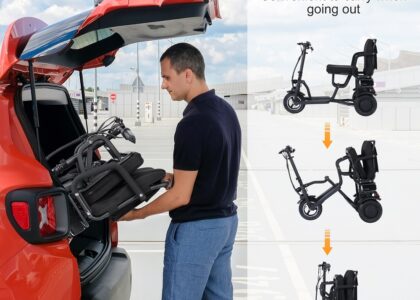
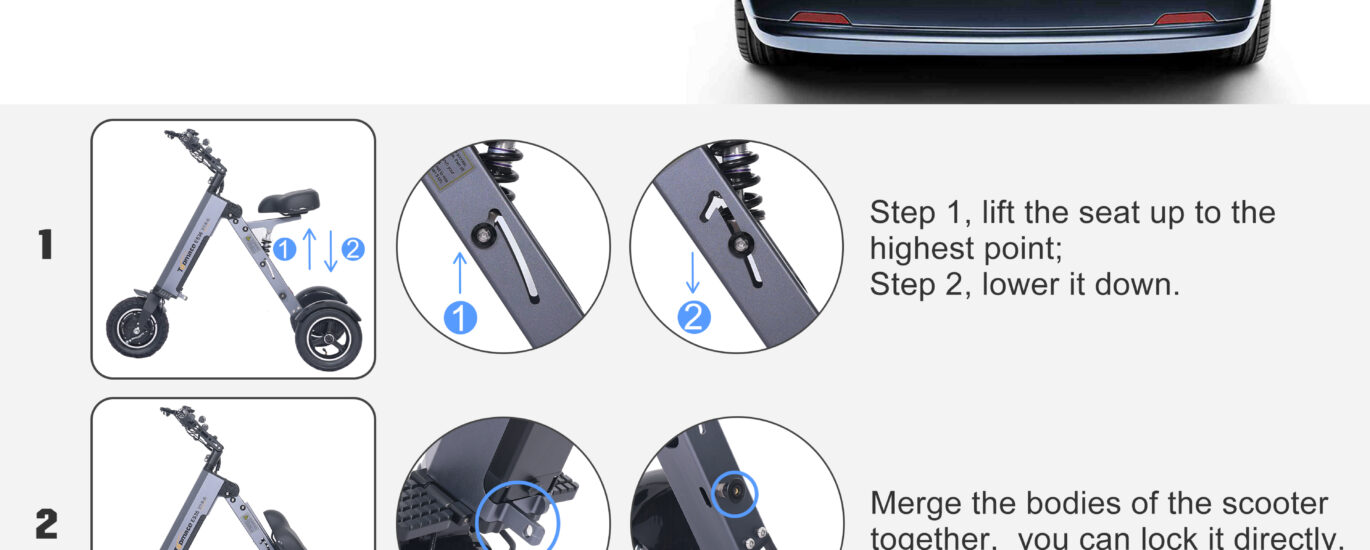
If you regularly put your scooter into a car, folding simplicity can become one of the most important features.
A scooter that technically folds is not necessarily equally convenient to fold every time.
Consider:
- How many steps are involved?
- Can you fold it without excessive force?
- Is it easy to unfold when you arrive?
- Does the folded shape make transportation easier?
If you only fold the scooter occasionally, this feature may matter less. Frequent travelers should pay much closer attention.
2. Carrying Weight and Lift Points
The scooter’s weight becomes particularly noticeable when you need to move it.
Look beyond the published weight and think about how the scooter is actually handled.
Where will you grip it? Can you lift it comfortably? Will another person usually help? Can the battery be removed before lifting?
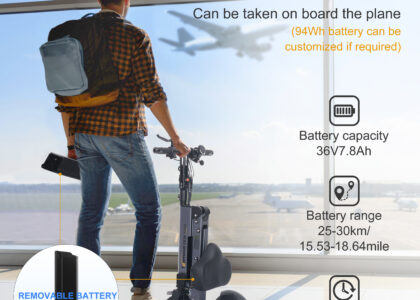
A removable battery may reduce the weight of the main scooter on some models, although the exact design varies.
3. Battery Removal and Charging
Battery access is easy to overlook before purchase.
After several weeks of ownership, however, you may be removing the battery regularly for charging or transportation.
Ask:
- Can the battery be removed without complicated steps?
- Where does it charge?
- Is the charging port easy to reach?
- Can the battery be charged separately, if supported?
- What replacement options are available?
Charging convenience matters especially for apartment residents and people who transport their scooters frequently.
4. Battery Range
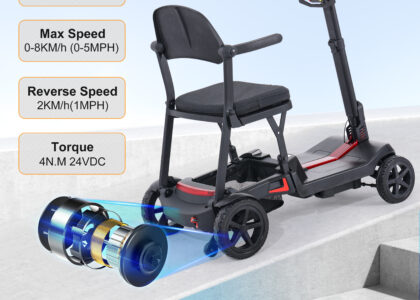
Range matters, but its importance depends on your routine.
A person making short trips around a neighborhood may not need the same range as someone spending several hours away from home.
Remember that advertised range can vary under real-world conditions. Rider weight, terrain, temperature, stops, and other factors can affect actual performance.
The useful question is not simply “What is the maximum range?”
It is:
“Will the scooter comfortably cover my normal day between charging opportunities?”
5. Seat Comfort
Seat comfort becomes much more noticeable once you spend an extended period riding.
A short trip to a nearby store may not reveal much. A day involving appointments, shopping, and visiting family can be very different.
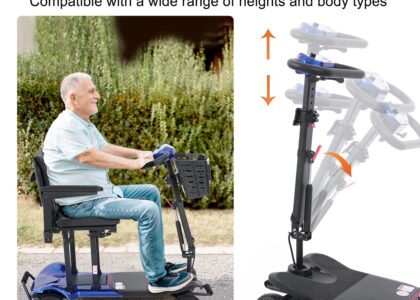
Pay attention to seat support, riding position, cushioning, and whether the controls allow you to maintain a comfortable posture.
6. Tiller and Control Usability
Controls are another feature you may appreciate more after purchase.
The throttle, steering controls, switches, and other controls should be understandable and positioned where you can use them comfortably.
First-time users should pay particular attention to simplicity. Caregivers should also consider whether the intended rider can understand and operate the controls without unnecessary difficulty.
7. Turning Radius and Maneuverability
Turning ability becomes obvious in everyday locations.
You may need to navigate:
- Kitchen areas
- Hallways
- Elevators
- Grocery aisles
- Store entrances
- Crowded sidewalks
- Tight parking areas
A scooter that is easy to maneuver can make routine trips less stressful.
8. Storage and Basket Capacity
Storage is one of those features that can seem secondary until you start using the scooter regularly.
Where will you put your wallet, phone, groceries, medication, or personal belongings?
A practical basket or storage compartment can reduce the need to carry items while riding. However, always follow the manufacturer’s guidance regarding storage capacity and weight limits.
9. Lighting
Lighting can become useful when you travel early in the morning, later in the evening, or through areas where visibility is limited.
Headlights and other visibility features do not replace safe riding practices, but they can be useful additions for riders who regularly travel in lower-light conditions.
10. Ground Clearance, Wheels, and Tires
These features become more noticeable as soon as you leave smooth indoor flooring.
Consider the surfaces you regularly encounter. Sidewalk transitions, uneven pavement, outdoor paths, and small obstacles can make ground clearance and wheel design more relevant.
Tire construction and wheel configuration can also affect handling and stability.
11. Stability and Suspension
Stability matters particularly for riders who spend significant time outdoors.
Suspension, where available, can influence comfort over certain surfaces, but it is not automatically necessary for every user.
An indoor-focused rider may have different priorities from someone who regularly travels across outdoor paths.
12. Maintenance and Cleaning
Ownership also means keeping the scooter clean and checking its condition.
Look at how easy it is to access important components, clean the wheels and frame, inspect tires, and follow battery-care instructions.
Before purchasing, check what routine maintenance the manufacturer recommends and how replacement parts and batteries are handled.
Features You May Not Appreciate Until You Own the Scooter
Some of the most important ownership details are not necessarily the specifications that catch your attention first.
Folding simplicity
If you fold the scooter multiple times each week, a complicated process can quickly become frustrating.
Battery removal
The ability to remove the battery can be useful when charging or transporting the scooter, depending on the design.
Turning radius
A specification can seem abstract until you are trying to turn around inside a small room or grocery aisle.
Control placement
Controls that seem acceptable during a brief demonstration may feel different after repeated use.
Storage
A basket may seem like a small accessory until you regularly need somewhere to put shopping or personal belongings.
Charging access
You may not think about the charging port when buying the scooter. You will notice it every time you charge.
Carrying points
A practical place to grip the scooter can make transportation easier, particularly when folding and loading it into a vehicle.
Real-Life Situations: What You Notice
Folding the scooter several times a week
Prioritize folding simplicity, manageable weight, and convenient carrying points.
Loading it into a car
Look at actual lift weight, folded dimensions, battery removal, and how the scooter can be safely handled.
Charging after a long day
Easy battery access and convenient charging can make a noticeable difference.
Grocery shopping
Turning radius, controls, storage, and maneuverability may matter more than maximum speed.
Using it around the home
Compact dimensions and tight turning ability become particularly useful in rooms, hallways, and entrances.
Sitting for several hours
Seat comfort, posture, controls, and riding position deserve greater attention.
Living in a small apartment
Storage dimensions, folded footprint, battery charging location, and elevator access should all be considered.
Feature Priority Table
| Feature | What it affects after purchase | Who should prioritize it |
|---|---|---|
| Folding simplicity | Daily transportation and storage | Frequent travelers, caregivers |
| Carrying weight | Loading and moving the scooter | Car users, caregivers |
| Removable battery | Charging and transportation | Travelers, apartment residents |
| Battery range | Distance between charges | Long-distance and full-day users |
| Seat comfort | Extended riding | Several-hour users, seniors |
| Controls and tiller | Ease of operation | Seniors, first-time users |
| Turning radius | Tight-space maneuverability | Indoor users, shoppers |
| Storage | Carrying personal items | Grocery shoppers, daily users |
| Ground clearance | Outdoor surface handling | Outdoor users |
| Wheel/tire design | Ride characteristics and terrain | Outdoor users |
| Lighting | Visibility in lower light | Early/late riders |
| Maintenance access | Cleaning and upkeep | All owners |
How Priorities Change by User
Seniors: Focus on comfortable seating, understandable controls, maneuverability, stability, and manageable handling.
First-time users: Simple controls, predictable steering, folding convenience, and practical storage may deserve extra attention.
Caregivers: Consider everything the caregiver will actually do, including charging, folding, loading, storage, and maintenance.
Frequent travelers: Prioritize folding, carrying weight, battery removal, folded dimensions, and transportability.
Apartment residents: Look closely at storage footprint, elevator access, charging location, and maneuverability.
People riding for several hours: Give greater attention to seat comfort, range, controls, and overall riding position.
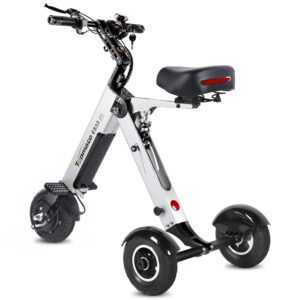
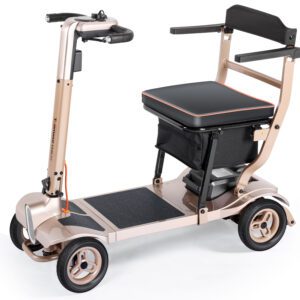
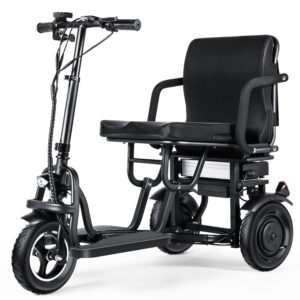
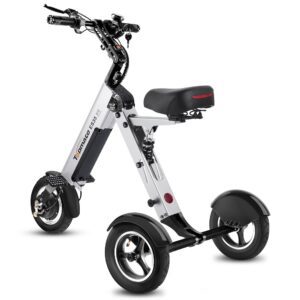
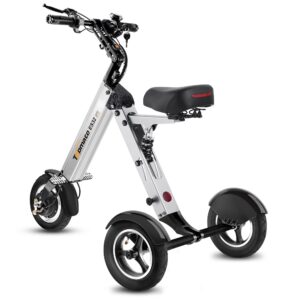
Models such as the TopMate ES15, ES35, ES36, and ES40 can be evaluated using these same ownership questions. Rather than choosing a model because of one headline specification, compare its actual design and published specifications with the tasks you expect to perform regularly.
Common Buying Mistakes
Choosing specifications instead of a routine
A long range or high weight capacity may look attractive, but those features do not automatically solve your everyday needs.
Ignoring repeated tasks
If you will fold the scooter several times a week, folding convenience deserves serious consideration.
Forgetting who handles the scooter
The person riding the scooter may not be the person charging, folding, or loading it.
Underestimating storage
Measure the space where the scooter will actually live.
Focusing only on the scooter itself
Remember the complete ownership process: charging, cleaning, transportation, storage, and maintenance.
Final Decision
The mobility scooter features that matter most are usually the ones you interact with repeatedly.
Before buying, imagine a normal week rather than a showroom demonstration. Picture yourself charging after an outing, turning through a grocery aisle, folding the scooter for a car trip, storing it at home, and sitting on it for several hours.
Those everyday interactions reveal which features deserve the highest priority.
The best choice is not necessarily the scooter with the most specifications. It is the one whose important features fit the way you actually plan to use, store, charge, transport, and maintain it.
FAQ
What mobility scooter features matter most for everyday use?
The most noticeable everyday features often include folding simplicity, battery access, charging convenience, seat comfort, controls, turning radius, storage, and maneuverability. The right priorities depend on how and where you use the scooter.
Is a removable battery important on a mobility scooter?
A removable battery can be useful for people who need to charge the battery separately or reduce the scooter’s handling weight during transportation. Its importance depends on where you charge and how often you transport the scooter.
Does turning radius matter on a mobility scooter?
Yes, particularly if you use the scooter indoors, in grocery stores, elevators, or other confined spaces. A smaller turning radius can make tight spaces easier to navigate, although the appropriate design depends on the scooter’s intended environment.
What should I check besides specifications before buying a mobility scooter?
Think about the complete ownership experience. Check how the scooter folds, where you will charge it, how it will be stored, who will transport it, how comfortable it is for longer outings, and how easy routine cleaning and maintenance will be.