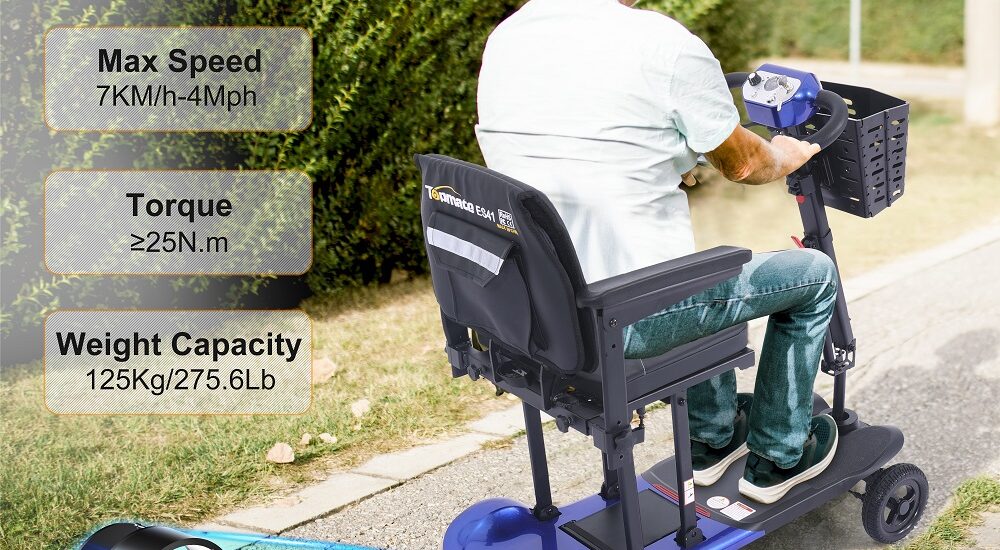
Quick Answer
When comparing a foldable mobility scooter vs wheelchair, foldable scooters usually provide greater independence, outdoor mobility, and travel convenience for active seniors. However, wheelchairs offer stronger physical support and safety for users with severe mobility limitations or medical conditions. Ultimately, the right choice depends on mobility level, lifestyle, daily activities, and long-term comfort needs. Mobility Scooter vs Wheelchair
Introduction
Choosing between a foldable mobility scooter vs wheelchair has become one of the most common mobility decisions for seniors and caregivers in 2026. As portable mobility technology continues to improve, many older adults now want mobility aids that support both independence and comfort.
However, the decision is not always simple. Some seniors prioritize travel freedom and outdoor movement, while others need stronger posture support and medical stability. In addition, caregivers often struggle to determine which option provides the safest and most practical daily solution.
What Is a Foldable Mobility Scooter?
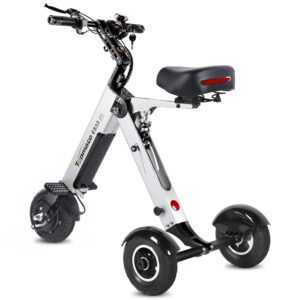
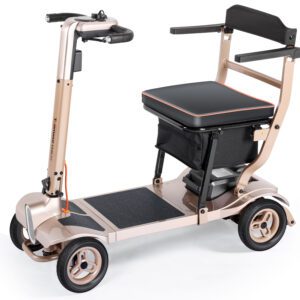
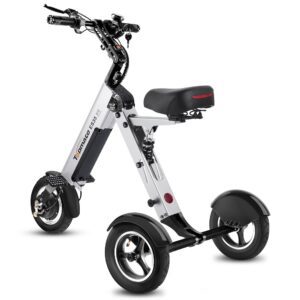
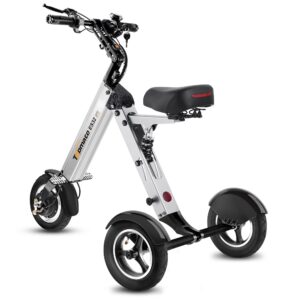
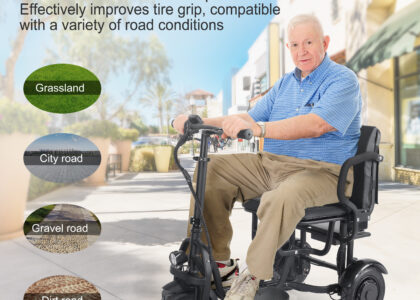
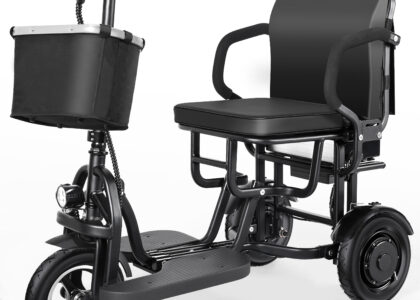
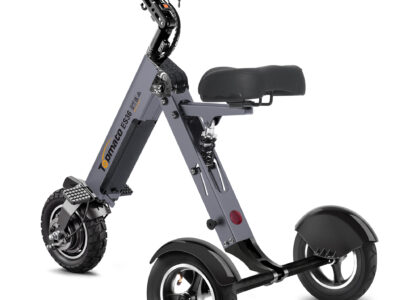
A foldable mobility scooter is a compact electric mobility device designed to help seniors move around more independently. Unlike traditional scooters, these models fold into smaller sizes for easy transport and storage.
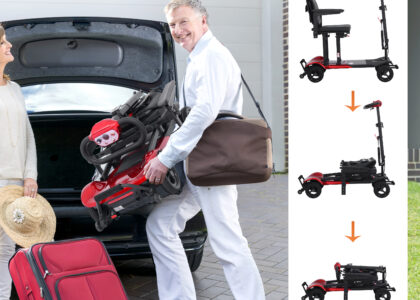
Most foldable electric scooters use rechargeable batteries and include handlebars, padded seating, wheels, and speed controls. Furthermore, many travel mobility scooters are airline-friendly and fit easily into car trunks.
Key Features of Foldable Mobility Scooters
- Lightweight and portable design
- Easy folding mechanisms
- Battery-powered operation
- Comfortable seats and armrests
- Long travel range
- Compact storage capability
- Easy transportation for vacations and shopping trips
Additionally, modern portable mobility scooters often include safety lights, suspension systems, and adjustable seating for improved comfort.
Ideal Users
Foldable scooters are usually best for:
- Seniors with moderate mobility limitations
- Active older adults
- Frequent travelers
- Users who can sit upright independently
- Seniors who enjoy outdoor activities and shopping
Because these scooters encourage movement and independence, they are especially popular among seniors who still maintain active lifestyles.
What Is a Wheelchair?
A wheelchair is a mobility aid designed for people with limited or severely restricted walking ability. Wheelchairs may be manual or electric and are commonly used for both short-term recovery and long-term mobility support.
Unlike scooters, wheelchairs focus heavily on posture support, stability, and safety. Therefore, they are often recommended for seniors with significant balance issues or chronic medical conditions.
Key Features of Wheelchairs
- Strong back and posture support
- Armrests and footrests
- Easy caregiver assistance
- Indoor maneuverability
- Medical-grade support options
- Manual or powered operation
Moreover, electric wheelchairs for seniors often include joystick controls, reclining seats, and customized support systems.
Ideal Users
Wheelchairs are generally best for:
- Seniors with severe mobility limitations
- Users needing caregiver support
- Individuals with poor balance or muscle weakness
- People with chronic medical conditions
- Seniors requiring long-term seated support
Foldable Mobility Scooter vs Wheelchair: Key Differences
| Feature | Foldable Mobility Scooter | Wheelchair |
|---|---|---|
| Portability | Highly portable and foldable | Less portable overall |
| Comfort | Comfortable for outdoor travel | Better posture support |
| Independence | Encourages self-mobility | Often caregiver-assisted |
| Ease of Transport | Fits in car trunks easily | Larger and heavier |
| Indoor Maneuverability | Moderate | Excellent indoors |
| Outdoor Performance | Strong outdoor capability | Depends on wheelchair type |
| Battery Range | Longer range | Shorter in many models |
| Medical Support | Limited support | Excellent support |
| Weight Capacity | Moderate to high | Wide range available |
| Cost | Moderate to expensive | Varies widely |
As this comparison shows, the debate around foldable mobility scooter vs wheelchair depends heavily on the user’s physical condition and daily routine.
Benefits of Foldable Mobility Scooters
Greater Independence
Foldable scooters allow many seniors to travel independently without relying heavily on caregivers. Consequently, users often feel more confident performing everyday tasks.
Better Outdoor Mobility
Travel mobility scooters perform well on sidewalks, shopping centers, parks, and outdoor pathways. In contrast, many wheelchairs struggle on uneven terrain.
Travel-Friendly Design
Most lightweight mobility scooters fold quickly and fit into cars, cruise ships, and airplanes. Therefore, seniors who enjoy vacations often prefer scooters.
Longer Battery Range
Many portable mobility scooters travel longer distances on a single charge compared to electric wheelchairs.
Encourages an Active Lifestyle
Because scooters are designed for movement and convenience, they help seniors remain socially active and independent.
Benefits of Wheelchairs
Better Physical Support
Wheelchairs provide stronger posture and spinal support, especially for seniors with medical conditions or severe weakness.
Improved Safety for Severe Mobility Issues
For seniors who cannot safely balance or transfer independently, wheelchairs offer greater stability and reduced fall risk.
Easier Caregiver Assistance
Wheelchairs allow caregivers to assist with transportation more easily, particularly in hospitals or care facilities.
Suitable for Long-Term Medical Needs
Electric wheelchairs for seniors are often customized for long-term support and medical comfort.
Better Indoor Accessibility
Wheelchairs usually maneuver more easily through tight indoor spaces and narrow hallways.
Which Option Gives Seniors More Independence?
When discussing foldable mobility scooter vs wheelchair, independence depends largely on the user’s physical ability and daily lifestyle.
Active Seniors → Foldable Mobility Scooters
Seniors who can safely sit upright and operate controls independently often benefit most from a foldable electric scooter.
Frequent Travelers → Foldable Scooters
Travel-friendly scooters are ideal for vacations, airports, cruises, and shopping trips.
Seniors With Severe Mobility Issues → Wheelchairs
Wheelchairs provide better support for users with major balance, strength, or medical challenges.
Users Needing Posture Support → Wheelchairs
Individuals requiring spinal support or long-term seated comfort usually benefit more from wheelchairs.
Outdoor Lifestyle Users → Scooters
Portable mobility scooters are generally better for outdoor movement and independent errands.
Ultimately, the best mobility aid for seniors depends on daily activities, physical condition, and long-term comfort requirements.
Important Features to Consider
Before choosing between a foldable mobility scooter vs wheelchair, consider the following features carefully.
Portability and Folding Mechanism
A compact scooter for elderly users should fold quickly and fit into vehicles easily.
Comfort and Seat Design
Long-term comfort matters significantly for seniors using mobility devices daily.
Battery Life
Travel mobility scooters with longer battery ranges are better for outdoor independence.
Turning Radius
Smaller turning radiuses improve indoor maneuverability.
Safety Features
Look for anti-tip wheels, braking systems, lights, and stable seating.
Weight Capacity
Always choose a mobility aid that safely supports the user’s weight.
Travel and Airline Compatibility
If travel is important, confirm airline approval before purchasing.
Common Mistakes to Avoid
Many families make mobility decisions too quickly. However, avoiding these mistakes can save money and improve long-term comfort.
Choosing Based Only on Price
Cheaper models may lack comfort, durability, or safety features.
Ignoring Physical Support Needs
A scooter may not be suitable for users with severe balance problems.
Not Considering Storage and Transport
Some mobility devices are difficult to lift or store in smaller vehicles.
Overlooking Long-Term Comfort
Daily mobility aids should prioritize comfort and posture support.
Buying Without Testing Maneuverability
Whenever possible, test mobility devices indoors and outdoors before purchasing.
Expert Tips
- Consult healthcare professionals when mobility limitations are medically related.
- Test both scooters and wheelchairs before making a final decision.
- Consider future mobility changes, not just current needs.
- Prioritize comfort and safety over appearance.
- Choose a mobility aid based on lifestyle and daily habits.
- Compare warranty coverage and battery replacement costs.
Conclusion
The decision between a foldable mobility scooter vs wheelchair depends entirely on the senior’s mobility level, lifestyle, physical condition, and independence goals.
Foldable mobility scooters provide excellent portability, outdoor freedom, and travel convenience for active seniors. On the other hand, wheelchairs offer stronger support, better posture control, and safer mobility for users with severe limitations.
FAQ
Is a mobility scooter better than a wheelchair for seniors?
A mobility scooter is often better for active seniors who want more independence and outdoor mobility.
Which is easier to transport: a foldable mobility scooter or a wheelchair?
A foldable mobility scooter is usually easier to transport because many models are lightweight, compact, and designed for car trunks or airline travel.
Are foldable mobility scooters safe for elderly users?
Yes, foldable mobility scooters are generally safe for seniors who can sit upright and control the handlebars properly.
Which option offers more comfort for long-term daily use?
Wheelchairs often provide better long-term support for posture, back alignment, and medical needs.