-1000x550.jpg)
Quick Answer
When comparing mobility scooter vs electric cart, the right choice depends on where and how you plan to travel. A mobility scooter is designed for people with limited mobility who need a compact, easy-to-maneuver, and portable solution for everyday independence. An electric cart is generally larger, carries more passengers or cargo, and is better suited for private properties, campuses, golf courses, or large communities.
For most seniors, caregivers, and first-time buyers looking for daily mobility, shopping trips, travel, and neighborhood use, a portable mobility scooter is the more practical option.
What Is a Mobility Scooter?
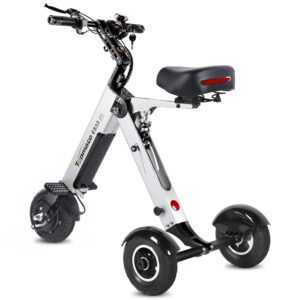
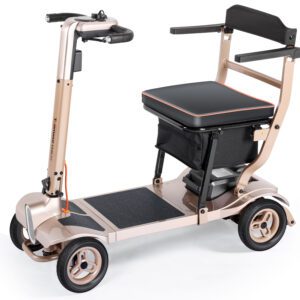
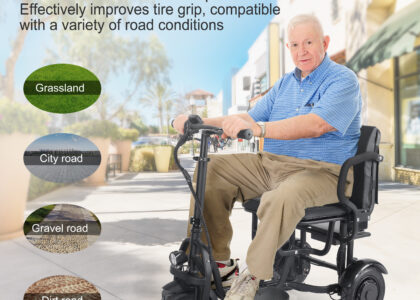
A mobility scooter is a battery-powered personal mobility device that helps people with limited walking ability travel safely and comfortably.
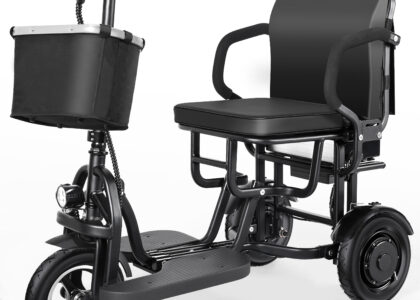
Modern mobility scooters typically include:
- Comfortable seat
- Adjustable handlebars or tiller
- Rechargeable battery
- Compact turning radius
- Forward and reverse controls
- Baskets for carrying personal items
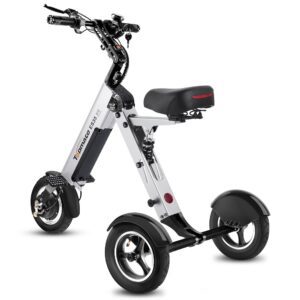
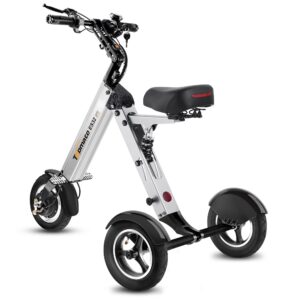
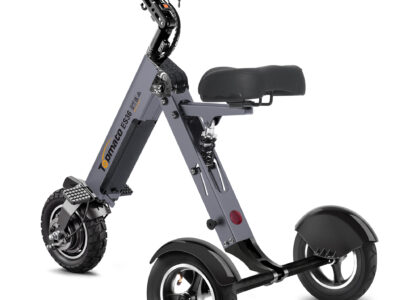
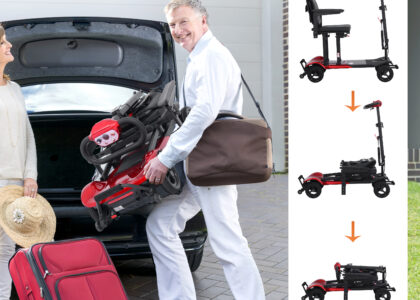
Many newer models are foldable, making them suitable for car travel, vacations, airports, and storage in small homes.
They are commonly used by:
- Seniors
- Adults with arthritis
- Individuals recovering from surgery
- People with balance issues
- Travelers needing extra mobility
What Is an Electric Cart?
An electric mobility cart, often called an electric cart for adults, is a larger battery-powered vehicle designed to transport people or equipment across larger areas.
Examples include:
- Golf carts
- Community transportation carts
- Utility carts
- Campus transportation vehicles
Electric carts usually feature:
- Larger frame
- Higher seating capacity
- Greater cargo space
- Larger batteries
- Wider turning radius
They are commonly used on:
- Golf courses
- Retirement communities
- Resorts
- Farms
- Industrial properties
- Large private neighborhoods
Mobility Scooter vs Electric Cart: Major Differences
| Feature | Mobility Scooter | Electric Cart |
|---|---|---|
| Primary purpose | Personal mobility aid | Transportation vehicle |
| Seating | Usually one person | Two or more passengers |
| Indoor use | Excellent | Limited |
| Outdoor use | Excellent | Excellent on large properties |
| Turning radius | Tight | Wide |
| Portability | High | Low |
| Foldable models | Yes | Rare |
| Car transport | Easy with foldable models | Difficult |
| Grocery shopping | Excellent | Less convenient |
| Airport travel | Suitable (many models) | Not practical |
| Storage | Small footprint | Requires larger storage space |
| Maintenance | Lower | Higher |
Comfort Comparison
Comfort depends on how you plan to use the vehicle.
A mobility scooter offers:
- Cushioned seating
- Easy step-on design
- Adjustable controls
- Smooth operation for daily errands
An electric cart offers:
- Larger seats
- More passenger space
- Room for cargo
- Better comfort during longer rides across large properties
For everyday personal mobility, many seniors find scooters more comfortable because they are specifically designed as mobility aids rather than utility vehicles.
Turning Radius: Which Is Easier to Maneuver?
Turning radius makes a significant difference in everyday use.
Mobility Scooter
A travel mobility scooter can navigate:
- Grocery store aisles
- Elevators
- Apartment hallways
- Shopping centers
- Medical offices
Its tighter turning radius allows users to move confidently through crowded spaces.
Electric Cart
Electric carts require considerably more room to turn.
They perform best on:
- Wide roads
- Parking areas
- Golf courses
- Community streets
For indoor mobility, scooters are the clear winner.
Indoor Use
If you frequently visit:
- Shopping malls
- Grocery stores
- Pharmacies
- Hospitals
- Restaurants
- Community centers
a mobility scooter is usually the better choice.
Its compact dimensions make everyday navigation much easier.
Electric carts generally cannot fit comfortably inside most buildings.
Outdoor Use
Both products work well outdoors, but they serve different purposes.
Mobility Scooter
Ideal for:
- Sidewalks
- Parks
- Neighborhood walks
- Outdoor shopping
- Vacation sightseeing
Electric Cart
Better suited for:
- Large retirement communities
- Golf courses
- Resorts
- Farms
- Campuses
If your daily travel involves paved sidewalks and public spaces, a mobility scooter is often more practical.
Which Is Better for Shopping Trips?
Shopping convenience is one of the biggest differences.
A mobility scooter easily fits through:
- Grocery stores
- Supermarkets
- Department stores
- Retail centers
Many include baskets for groceries and personal belongings.
Electric carts generally cannot be used inside stores, making them less convenient for everyday shopping.
Speed Comparison
Although speed varies by model, both vehicles prioritize safe transportation rather than high performance.
Generally:
| Mobility Scooter | Electric Cart |
|---|---|
| Moderate speeds designed for pedestrian environments | Often capable of higher speeds on private roads |
For seniors, slower controlled speeds often improve confidence and safety.
Range Comparison
Driving range depends on:
- Battery size
- Rider weight
- Terrain
- Temperature
- Tire pressure
Mobility scooters usually provide enough range for:
- Daily errands
- Shopping
- Medical appointments
- Community activities
Electric carts often travel farther because they use larger battery systems.
However, many users never need that additional range for daily mobility.
Portability
Portability is where mobility scooters truly stand out.
Many portable mobility scooter models:
- Fold within seconds
- Fit inside SUVs
- Fit in many car trunks
- Require less storage space
- Travel easily on vacations
Electric carts typically require:
- Trailer transport
- Garage parking
- Dedicated storage
For travelers and active seniors, portability is often the deciding factor.
Storage Requirements
Storage matters, especially for apartment living.
Mobility Scooter
- Fits closets in some cases
- Fits garages
- Fits storage rooms
- Easy home charging
Electric Cart
Requires:
- Large garage
- Outdoor shed
- Covered parking area
Smaller homes generally benefit from foldable scooters.
Battery Differences
Both products use rechargeable batteries.
Mobility scooters commonly use:
- Lightweight lithium batteries
- Sealed lead-acid batteries
Electric carts often use:
- Larger battery packs
- Multiple batteries for extended operation
Lithium batteries usually charge faster, weigh less, and require less maintenance than traditional lead-acid batteries.
Maintenance Comparison
Mobility Scooter
Routine maintenance typically includes:
- Charging the battery
- Tire inspection
- Cleaning
- Brake checks
- Occasional battery replacement
Electric Cart
Maintenance may also involve:
- Larger battery systems
- Suspension components
- Steering systems
- Additional mechanical servicing
For many owners, mobility scooters require less ongoing maintenance.
Safety Considerations
Safe operation should always come first.
Regardless of which option you choose:
- Follow the recommended weight capacity.
- Drive at safe speeds.
- Charge batteries properly.
- Inspect tires regularly.
- Use lights and reflectors when needed.
- Avoid steep slopes beyond manufacturer recommendations.
Mobility scooters are specifically engineered for pedestrian environments, making them easier for many seniors to control safely.
Cost Considerations
Electric carts generally involve greater overall ownership costs because of:
- Larger batteries
- More components
- Increased storage requirements
- Higher maintenance needs
Mobility scooters often provide a more affordable long-term ownership experience while still meeting most daily mobility needs.
Instead of focusing only on purchase cost, consider:
- Storage space
- Maintenance
- Transportation
- Charging convenience
- Daily usability
Which Option Is Easier for Seniors?
For most seniors, the answer is clear.
A mobility scooter offers:
- Easier steering
- Better maneuverability
- Simpler controls
- Better portability
- Convenient indoor use
- Easier transportation in vehicles
Electric carts become a better option only when users regularly travel across very large private properties or need to carry multiple passengers.
Conclusion
When comparing Mobility Scooter vs Electric Cart, the best option depends on your lifestyle rather than simply choosing the larger vehicle.
A mobility scooter is usually the ideal choice for seniors, caregivers, and adults with mobility limitations who want a compact, portable, and easy-to-use solution for daily activities. It excels in grocery stores, airports, parks, medical appointments, and neighborhood travel while requiring less storage and maintenance.
FAQ
What is the main difference between a mobility scooter and an electric cart?
A mobility scooter is a personal mobility aid for daily use, while an electric cart is a larger vehicle designed to carry multiple passengers or cargo over larger areas.
Is a mobility scooter better than an electric cart for seniors?
For most seniors, a mobility scooter is easier to operate, store, transport, and use indoors for everyday activities.
Can a mobility scooter be used for shopping and travel?
Yes. Foldable mobility scooters are ideal for grocery shopping, airports, parks, and travel because they are compact and portable.
How do I choose between a mobility scooter and an electric cart?
Choose a mobility scooter if you need everyday personal mobility and portability, or an electric cart if you need to transport multiple people or travel around large private properties.